
The memory of a global pandemic does not disappear quickly. Even after streets refill and borders reopen, the experience lingers quietly in institutions, hospitals, laboratories, and public consciousness. The world continues searching for ways to prepare more carefully for future health crises, though agreement itself often proves difficult.
The World Health Organization recently delayed further progress on a proposed international pandemic treaty due to ongoing disagreements surrounding pathogen-sharing systems and access to medical resources. Negotiations among member states continue as countries debate how responsibilities and benefits should be distributed during future outbreaks.
The treaty was initially envisioned as a framework capable of improving international coordination during global health emergencies. Supporters hoped it could strengthen preparedness, accelerate scientific cooperation, and reduce the inequalities exposed during recent pandemic responses.
At the center of current disagreements lies a complex issue: how countries share biological samples and research data during outbreaks. Developing nations have expressed concerns about fairness, arguing that pathogen-sharing systems should guarantee equitable access to vaccines, medicines, and medical technologies derived from those materials.
Meanwhile, wealthier nations and pharmaceutical stakeholders continue emphasizing the importance of rapid scientific collaboration and intellectual property protections. Negotiators therefore face the delicate challenge of balancing innovation, sovereignty, and public health equity within a single international framework.
The discussions reveal how global health has become inseparable from economics, diplomacy, and technological capability. Vaccines, laboratory infrastructure, manufacturing capacity, and medical supply chains now carry strategic significance extending beyond healthcare alone.
Public health experts continue warning that future pandemics remain a matter of probability rather than possibility. Urbanization, environmental disruption, international travel, and changing ecosystems all contribute to conditions where infectious diseases can spread rapidly across borders.
Yet international cooperation often moves more slowly than crises themselves. Different national priorities, political systems, and economic realities shape how countries approach collective agreements. Building consensus among nearly every region of the world requires patience as much as urgency.
Despite the delay, negotiations are expected to continue. WHO officials have emphasized that member states remain committed to strengthening global preparedness, even if important details still require further discussion. The process itself reflects the complicated nature of building shared systems in an interconnected world.
The treaty’s future remains uncertain, but the broader lesson already appears clear. Modern health crises no longer belong to individual nations alone. Diseases move across borders without recognizing geography, reminding the world that preparedness increasingly depends not only on science, but also on cooperation built carefully over time.
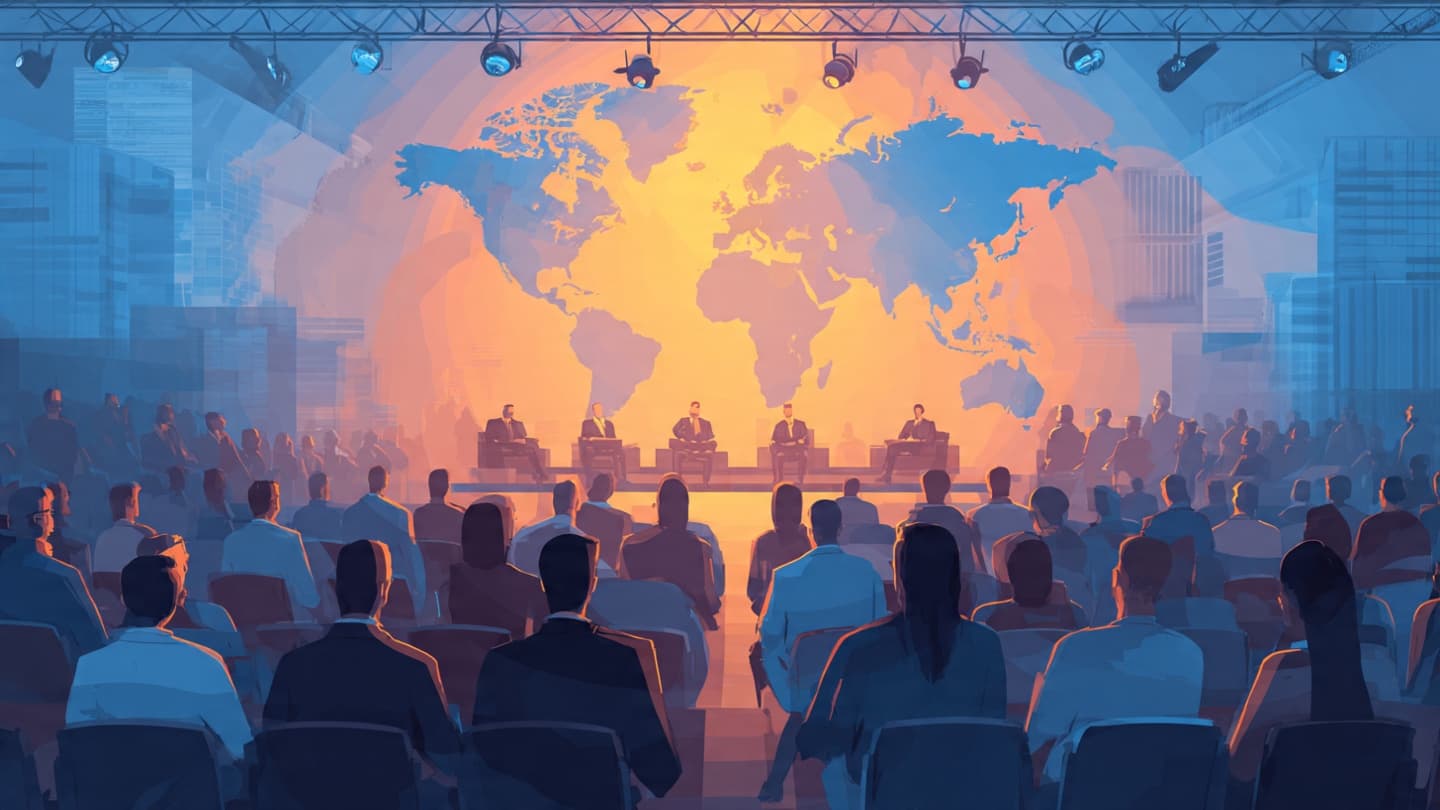
AI Image Disclaimer: Images in this article are AI-generated illustrations, meant for concept only.
Sources Checked: Reuters World Health Organization Bloomberg The Lancet Financial Times
Note: This article was published on BanxChange.com and is powered by the BXE Token on the XRP Ledger. For the latest articles and news, please visit BanxChange.com