
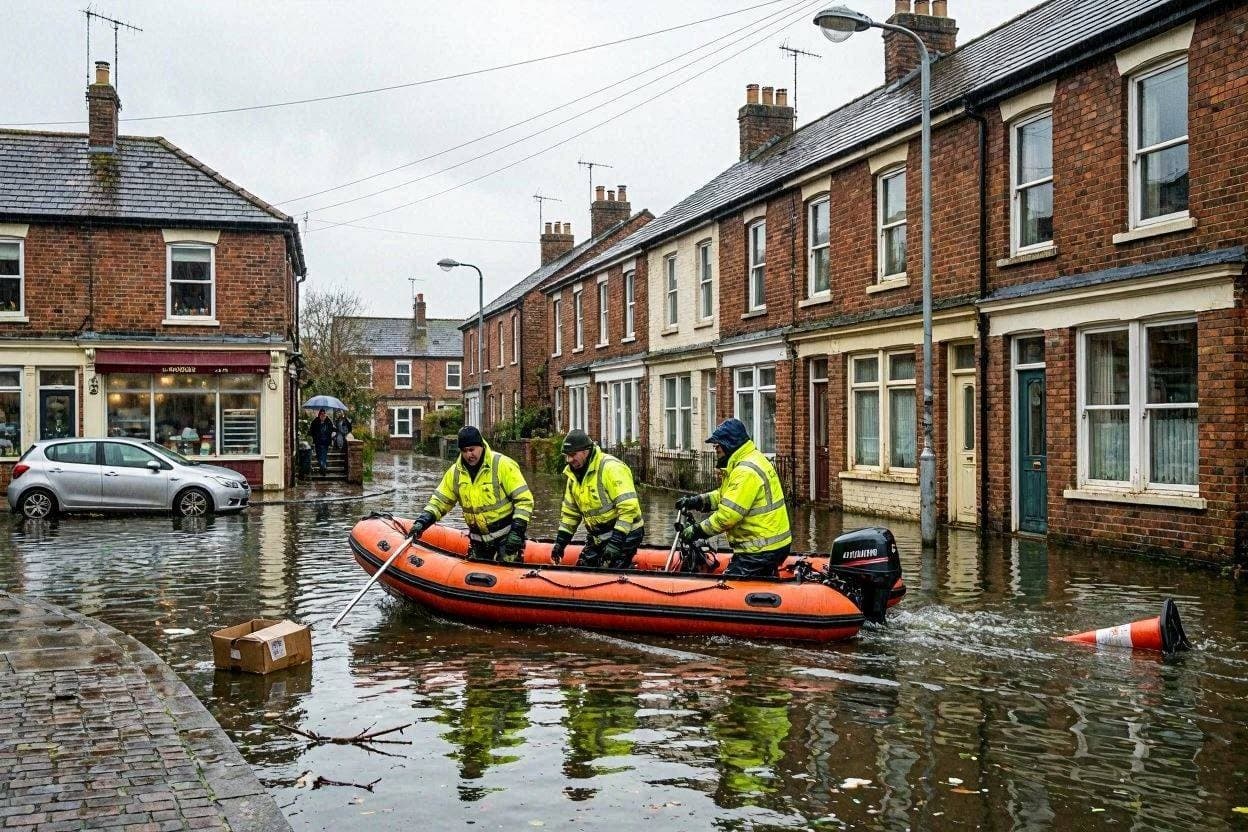
Water, essential for life, can also become a force of destruction when it falls in excess. In recent weeks, several regions in China have been battered by extreme rainfall, leading to severe flooding that has displaced thousands and damaged infrastructure. The skies, heavy with moisture, have unleashed a deluge that tests the resilience of communities and the capacity of emergency services.
The southern province of Guangxi has been particularly hard hit, with torrential rains causing rivers to burst their banks. Rescue teams have worked tirelessly to evacuate residents from submerged villages, using boats and helicopters to reach those stranded on rooftops. The speed of the rising waters left little time for preparation, catching many by surprise.
Typhoon Maysak, though weakened by the time it reached inland areas, contributed significantly to the rainfall. Its remnants brought sustained downpours that saturated the soil, leading to landslides in mountainous regions. The combination of typhoon-induced rain and seasonal monsoons created a perfect storm for flooding, overwhelming drainage systems in urban areas.
The human cost has been tragic, with reports of casualties and missing persons. Families have lost homes and livelihoods, facing the daunting task of rebuilding amidst the mud and debris. Government agencies have mobilized resources to provide shelter, food, and medical care to those affected, striving to restore order and safety.
Transportation networks have been severely disrupted, with roads and railways submerged or washed away. This isolation hampers rescue efforts and delays the delivery of essential supplies. Engineers are working around the clock to repair critical links, aiming to reconnect cut-off communities and restore normalcy.
Agricultural losses are also significant, with vast fields of crops destroyed by standing water. For farmers, this represents not just a financial blow but a threat to local food supplies. The government has announced compensation schemes and technical support to help the agricultural sector recover from the devastation.
Climate experts point to the increasing frequency of such extreme weather events as a sign of global climate change. Warmer oceans hold more moisture, leading to heavier rainfall when storms occur. Adapting to this new reality requires improved infrastructure, better early warning systems, and sustainable land use practices.
As the waters recede, the focus shifts to recovery and reflection. The experience of these floods serves as a powerful reminder of nature’s power and the importance of preparedness. China’s response will be closely watched as a model for managing climate-related disasters in the future.
AI Image Disclaimer: The accompanying visuals are AI-generated representations intended to illustrate the context of the article and do not depict actual footage of the flooding events.
Sources: The Guardian New York Times CGTN Reuters
Note: This article was published on BanxChange.com and is powered by the BXE Token on the XRP Ledger. For the latest articles and news, please visit BanxChange.com