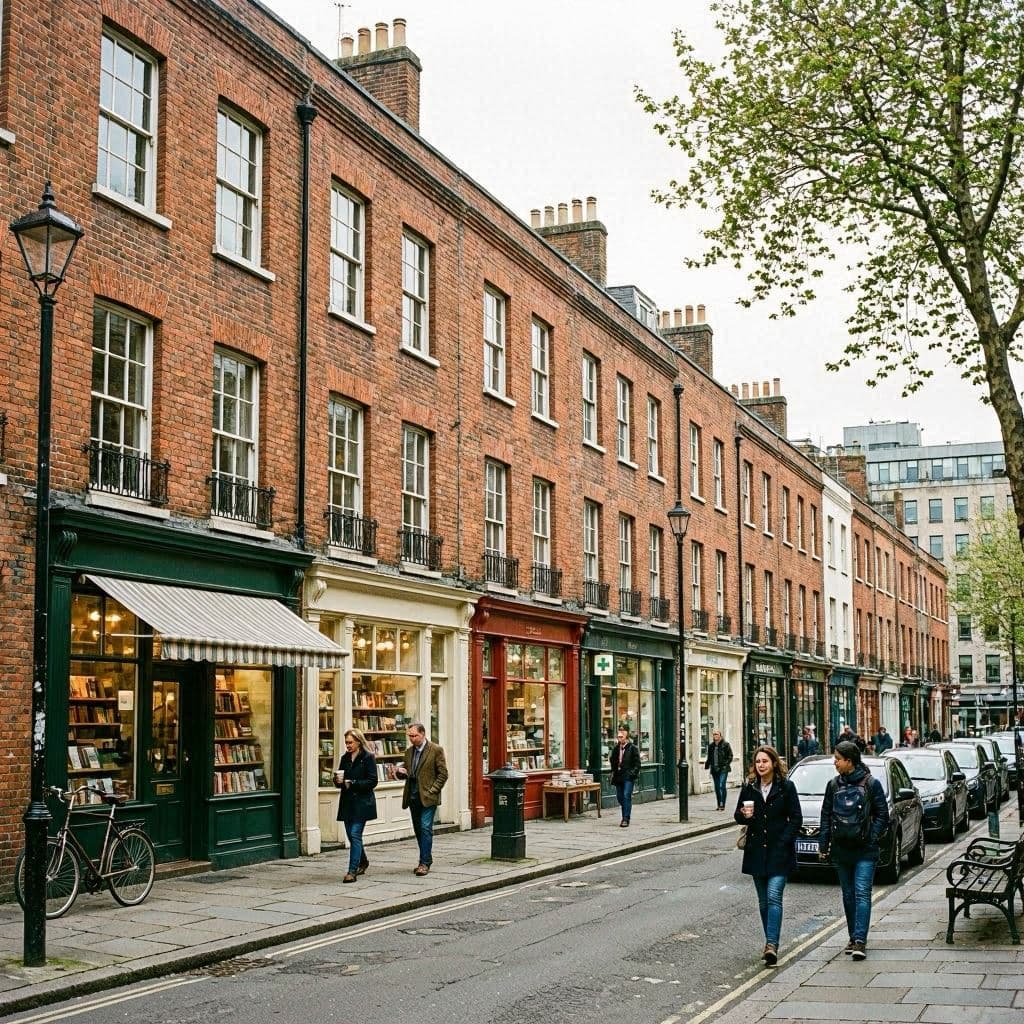
Opening The rhythm of a neighborhood is often defined by its storefronts, each window offering a glimpse into the daily lives and needs of the community. On Baggot Street, a familiar fixture—the former hardware store—stands at a crossroads, with proposals to transform it into a pub sparking a wave of local objection. This debate is not merely about zoning or licenses; it is a reflection of how communities wish to shape their own identity. It invites us to consider what we value in our shared spaces: the quiet utility of a shop that fixes leaks, or the social vibrancy of a place that pours drinks.
Body: Baggot Street has long been a thoroughfare of mixed uses, where residential tranquility meets commercial activity. The proposed conversion of the hardware store into a public house has raised concerns among residents who fear an increase in noise, late-night disturbances, and a shift in the character of the area. For many, the hardware store represented a practical, low-impact business that served immediate needs without disrupting the peace. Its potential replacement with a venue associated with nightlife brings uncertainty about the future quality of life for those living above and around it.
The objections highlight a broader tension in urban development: the balance between economic viability and residential comfort. Pub owners argue that such establishments bring life and revenue to high streets, creating jobs and social hubs. However, residents counter that the cumulative effect of multiple venues can erode the sense of home. In dense urban areas like this part of Dublin, the boundary between public leisure and private rest is thin, making every new license a matter of significant consequence.
Local councils are tasked with navigating these competing interests, weighing the benefits of revitalization against the rights of existing inhabitants. Planning permissions often require detailed assessments of impact, including noise mitigation and operating hours. Yet, even with strict conditions, the perception of change can be unsettling. The fear is not just of noise, but of a gradual transformation that might make the street feel less like a neighborhood and more like a destination for outsiders.
The history of the building itself adds layers to the discussion. Hardware stores are often seen as pillars of community self-reliance, places where neighbors seek advice and solutions. Replacing such a utilitarian space with one dedicated to leisure marks a symbolic shift in priorities. It raises questions about what services are deemed essential in a modern city and whether the loss of practical retail is a price worth paying for social entertainment.
Community engagement in the planning process is crucial. By voicing their concerns, residents are participating in the democratic shaping of their environment. Their objections are not necessarily a rejection of progress, but a plea for consideration. They seek assurances that their well-being will not be compromised in the pursuit of commercial gain. This dialogue, though sometimes contentious, is essential for sustainable urban living.
As the application moves through the regulatory channels, the outcome remains uncertain. Whether the pub opens or the space is repurposed for another use, the conversation has already strengthened community bonds. Neighbors have come together to articulate their vision for Baggot Street, demonstrating that local voices matter in the grand scheme of city planning.
Closing: In the end, the dispute over the former hardware store is a microcosm of urban change. It reminds us that cities are living entities, constantly evolving through the interplay of commerce and community. As decisions are made, the hope is that they reflect a respectful balance, honoring both the economic needs of businesses and the peaceful rights of residents.
AI Image Disclaimer: Please note that any accompanying visuals for this narrative are artificially generated interpretations meant to evoke the spirit of the story, not documentary evidence.
Sources: The Irish Times Dublin Live Local Council Planning Records
Published by Banx Network. This article is part of the Banx decentralized media programme, powered by the BXE token on the XRP Ledger.