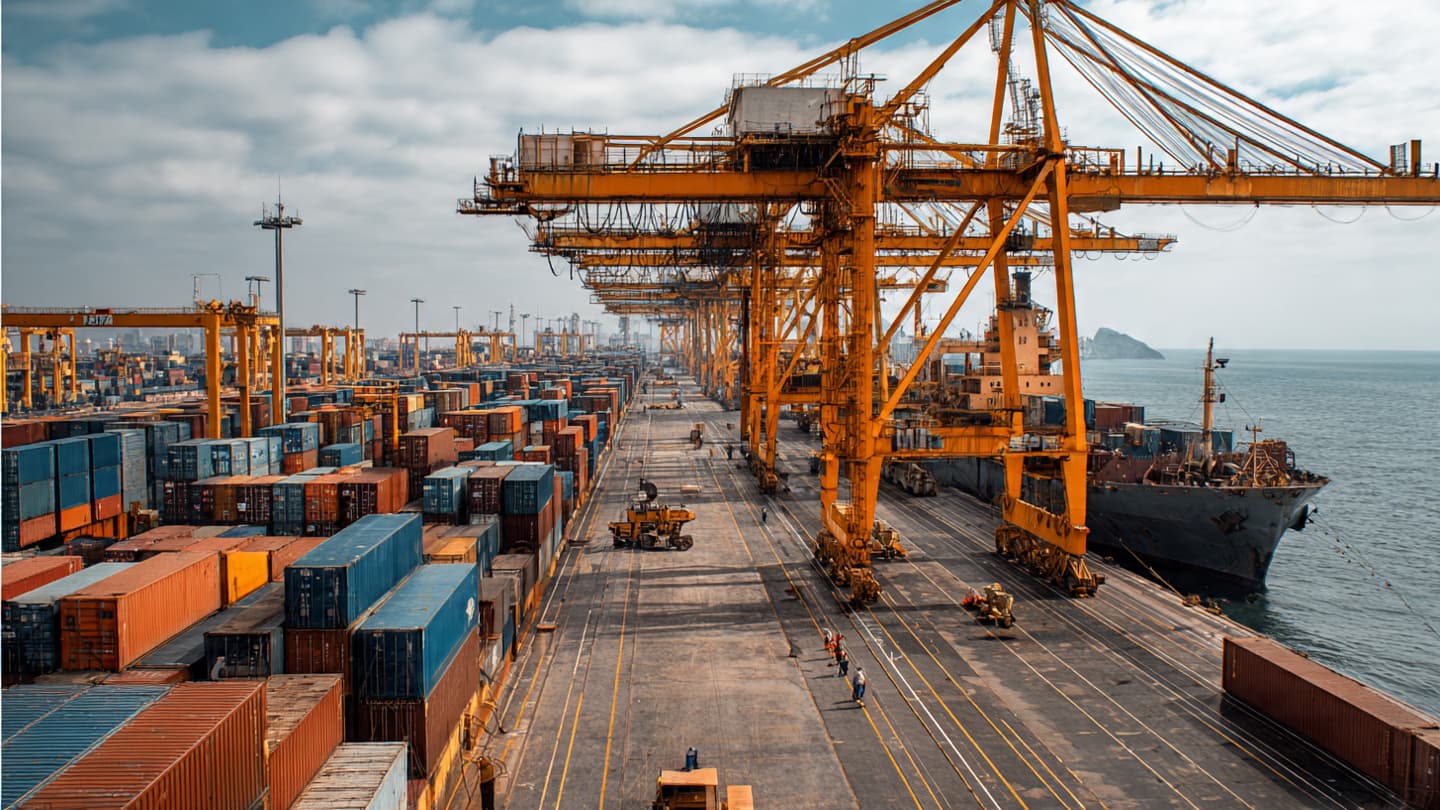
Trade routes often resemble invisible bridges stretching across oceans, quietly linking distant societies through commerce, investment, and shared economic interests. In 2026, those bridges between Latin America and China appear stronger than ever, as trade volumes continue to expand at a notable pace.
According to recent findings, exports from Latin American countries to China rose significantly during the first quarter of the year. The increase reflects deepening economic ties that have steadily evolved over the past two decades.
China has become one of the region's most important trading partners, purchasing a wide range of commodities including copper, soybeans, iron ore, lithium, and agricultural products. Several Latin American economies have increasingly relied on Chinese demand to support export growth.
Economists note that stronger trade flows may provide important revenue opportunities for resource-rich nations. Rising exports can support government finances, create employment opportunities, and encourage infrastructure development linked to international commerce.
At the same time, analysts have cautioned that heavy dependence on commodity exports may expose economies to fluctuations in global demand and price volatility. Diversifying export portfolios remains a long-term objective for many governments across the region.
Investment has also played a significant role in expanding economic relations. Chinese companies have increased their presence in sectors such as mining, renewable energy, transportation, and telecommunications throughout Latin America.
The evolving relationship has attracted attention from policymakers in Washington and other capitals, reflecting broader geopolitical competition and shifting global economic patterns.
Regional development institutions have emphasized that maintaining balanced economic partnerships with multiple global markets could strengthen long-term resilience and growth prospects.
As trade between Latin America and China continues to expand, governments across the hemisphere are likely to weigh both the opportunities and challenges that accompany deeper international integration.
AI Image Disclaimer: Visual illustrations in this article include AI-generated imagery created to depict international trade and economic activity.
Sources: Reuters, Inter-American Development Bank, Bloomberg, Financial Times
Published by Banx Network. This article is part of the Banx decentralized media programme, powered by the BXE token on the XRP Ledger.