Climate patterns often move quietly across oceans, unseen by most people yet capable of reshaping seasons, harvests, and daily life around the globe. Today, scientists are watching the Pacific Ocean with growing attention as new assessments suggest that the current El Niño phenomenon could reach historically significant levels in 2026.
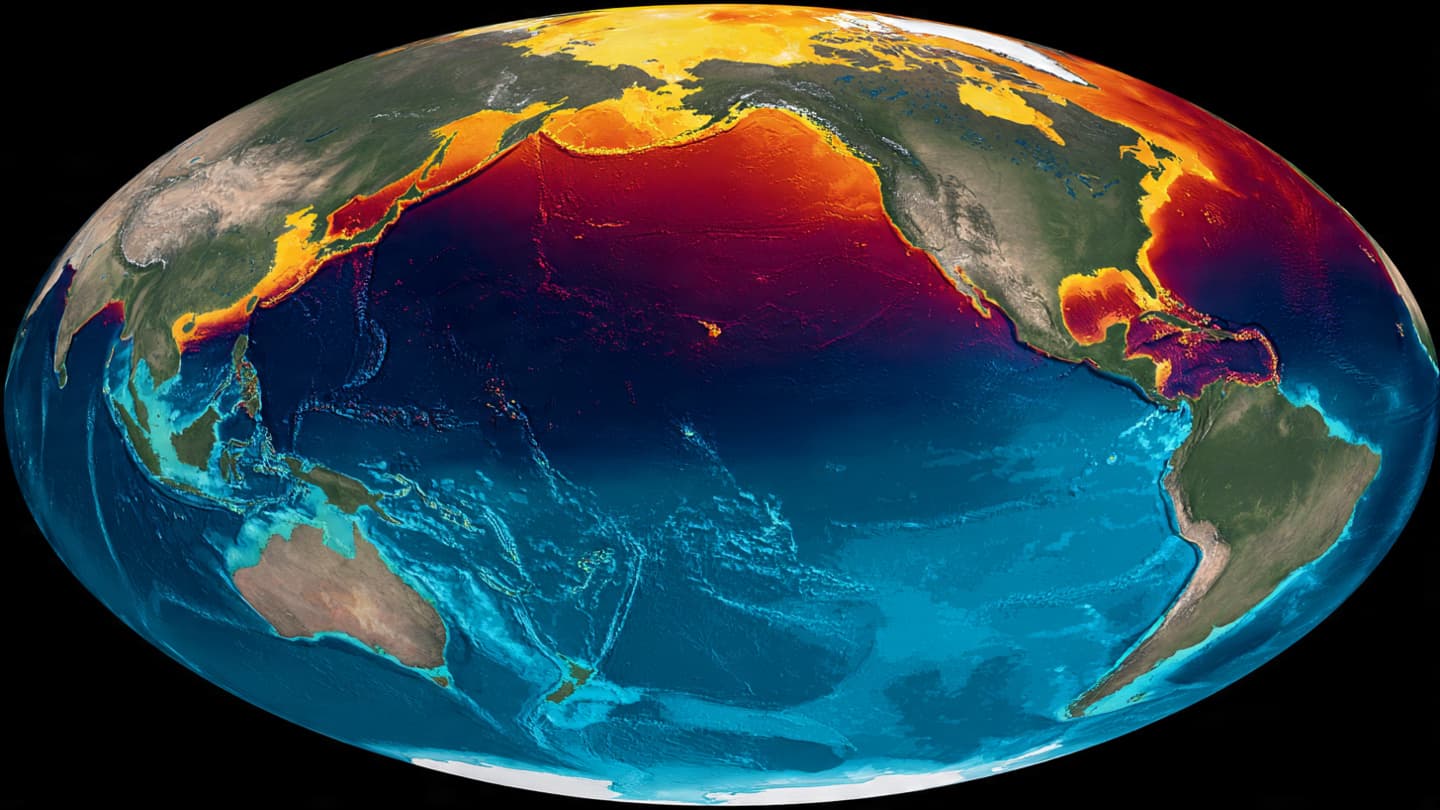
Researchers from several meteorological and climate institutions have reported that ocean surface temperatures in parts of the equatorial Pacific continue to remain unusually high. Such conditions are closely associated with El Niño, a natural climate cycle that influences weather patterns worldwide.
El Niño occurs when warmer-than-average sea surface temperatures develop across the central and eastern Pacific Ocean. Although it is a recurring natural phenomenon, particularly strong events can trigger widespread consequences, including prolonged droughts, heatwaves, flooding, and disruptions to agricultural production.
Climate scientists caution that the intensity of the current event remains under continuous observation. Forecast models indicate that if warming trends persist, this El Niño episode could rank among the strongest recorded in modern history.
The potential impacts extend far beyond the Pacific region. In parts of Australia and Southeast Asia, El Niño is often associated with hotter and drier conditions, increasing the risk of drought and wildfires. Meanwhile, portions of the Americas may experience heavier rainfall and flooding.
Researchers also note that ongoing global warming may influence how El Niño events manifest. Although scientists continue to study these interactions, many agree that rising global temperatures can intensify certain climate extremes associated with natural weather cycles.
Governments and emergency agencies around the world have already begun reviewing preparedness measures. Agricultural planners, water authorities, and disaster response agencies are particularly attentive to seasonal forecasts in order to minimize potential disruptions.
Climate experts emphasize that early warnings provide valuable opportunities for adaptation. By monitoring evolving conditions and implementing precautionary measures, communities may be better positioned to respond to changing environmental circumstances.
As scientists continue to analyze the Pacific Ocean, the message remains measured but clear: understanding climate variability is increasingly essential in a world where weather patterns can influence economies, ecosystems, and everyday life.
AI Image Disclaimer: Images used alongside this article are AI-generated visual representations created for editorial illustration.
Sources: PBS NewsHour, World Meteorological Organization, NOAA, Futura Sciences
Published by Banx Network. This article is part of the Banx decentralized media programme, powered by the BXE token on the XRP Ledger.