
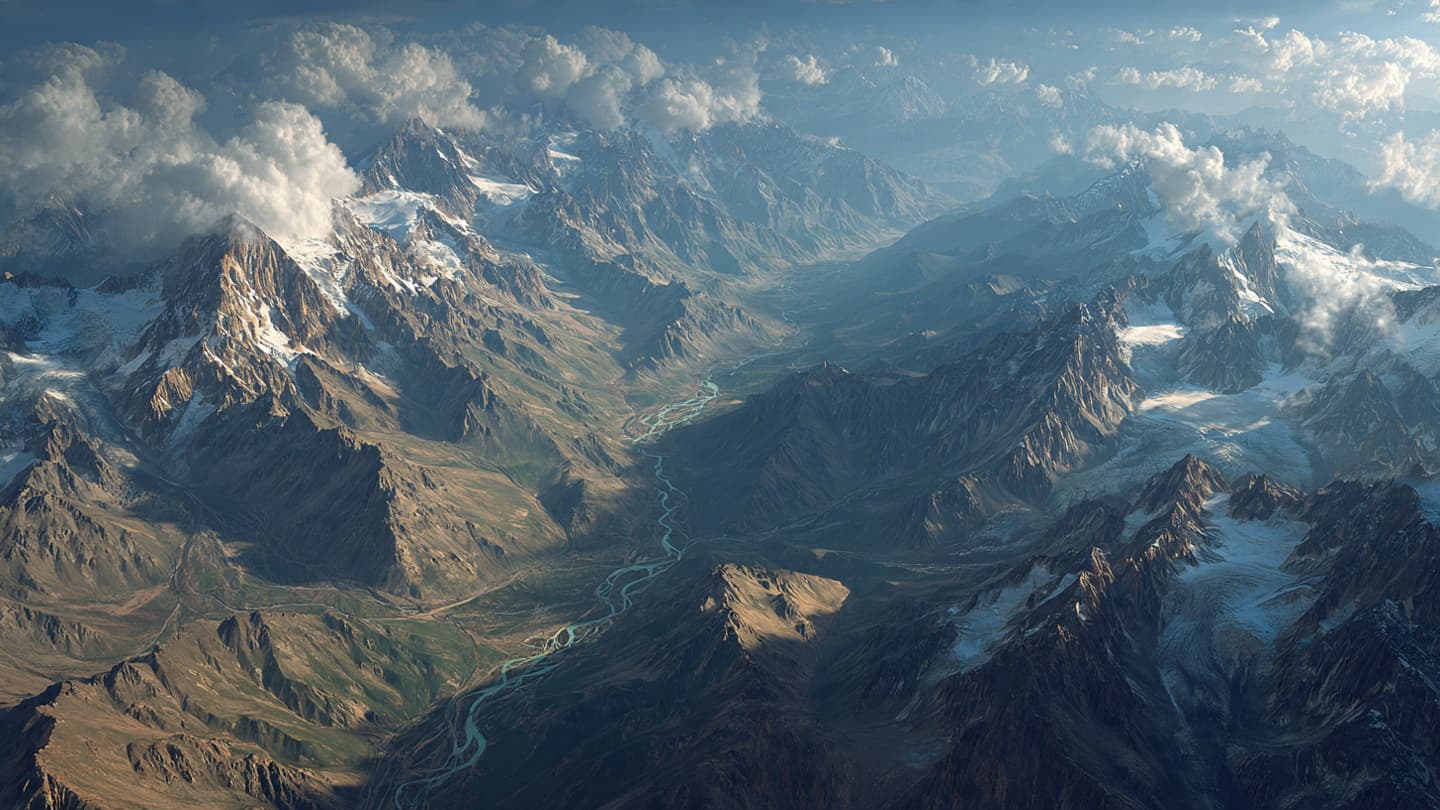
High above Tajikistan’s valleys, glaciers have long rested across mountain peaks like permanent memory. Rivers descended from them season after season, feeding farms, reservoirs, and communities stretching far beyond national borders. In Central Asia, water has always moved across frontiers more naturally than politics ever could. Now, that balance is becoming increasingly uncertain.
Climate-related pressures across Central Asia are placing growing strain on Tajikistan’s water resources as rising temperatures, glacier retreat, and changing seasonal patterns reshape the region’s environmental stability. Researchers and regional observers warn that water management may become one of the defining challenges facing Central Asia during the coming decades.
Tajikistan occupies a critical position within the region’s water system. Its mountains contain major glaciers and river sources supplying water to neighboring countries downstream. Changes affecting Tajikistan’s environment therefore influence agricultural production, energy systems, and drinking water access across much of Central Asia.
Scientists and environmental analysts have reported accelerating glacier melt linked to rising global temperatures. While short-term increases in water flow may occur in some areas, long-term concerns center on declining glacier mass and the gradual reduction of stable freshwater reserves over time.
The consequences extend beyond environmental observation alone. Agriculture across Central Asia depends heavily on predictable river systems and seasonal water distribution. Hydropower generation, urban development, and regional economic stability also remain closely connected to water availability throughout the region.
Tajik authorities and international development agencies have increasingly emphasized climate adaptation and regional cooperation as essential responses to these pressures. Discussions surrounding reservoir management, sustainable agriculture, water-sharing frameworks, and environmental monitoring continue expanding across Central Asian policy forums.
Yet water scarcity rarely arrives dramatically at first. Rivers continue flowing. Fields remain cultivated. Daily life moves forward beneath familiar landscapes. The deeper change often reveals itself gradually — through shrinking glaciers, unpredictable rainfall, and growing competition over resources once assumed permanent.
Across Tajikistan’s mountain regions, local communities already describe changing seasonal rhythms affecting farming and water access. Environmental observers caution that without coordinated long-term planning, climate pressures could intensify social and economic vulnerabilities throughout Central Asia.
Regional organizations and environmental agencies are expected to continue monitoring Tajikistan’s water systems closely throughout 2026 as climate-related challenges increasingly shape policy discussions across the region.
Note: This article was published on BanxChange.com and is powered by the BXE Token on the XRP Ledger. For the latest articles and news, please visit BanxChange.com