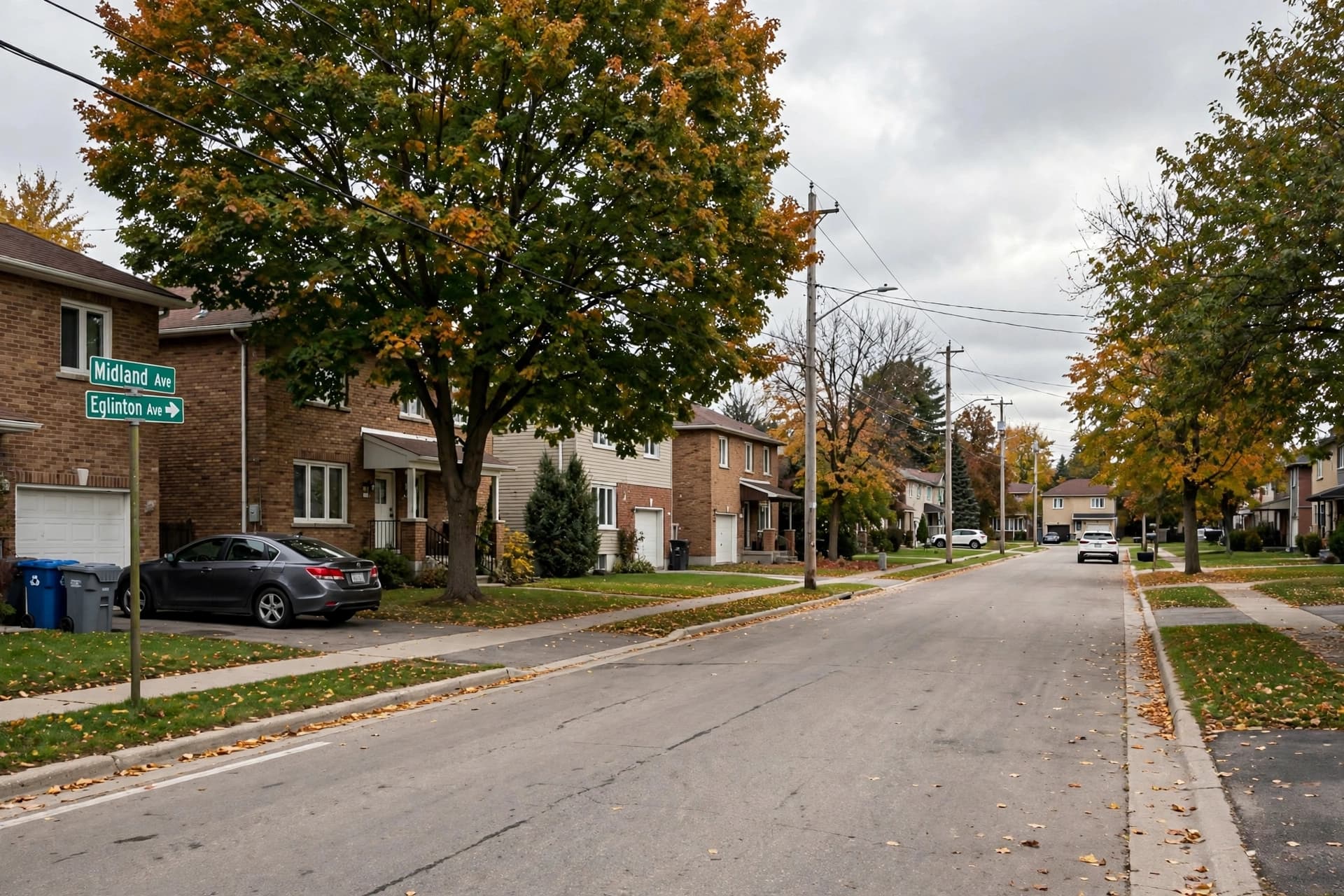
In cities across the world, heat has begun arriving earlier than memory expects. Morning air that once carried coolness now feels warm before sunrise. Rivers shrink quietly against their banks. Asphalt releases waves of heat long after sunset. From crowded apartment blocks in Europe to farming communities in Africa and coastal neighborhoods in Asia, people have started adjusting their routines around temperatures that no longer feel exceptional, only recurring.
This week, the United Nations warned that the next five years are likely to bring the hottest temperatures ever recorded on Earth, with global climate patterns continuing to push the planet deeper into an era of intensifying heat. According to projections released by the World Meteorological Organization, there is a high probability that average global temperatures during at least one of the coming years will temporarily exceed critical warming thresholds established by international climate agreements.
The forecast arrives not as a distant prediction, but as an extension of conditions already unfolding across continents. Recent years have carried a succession of record-breaking summers, marine heat waves, prolonged droughts, and destructive storms. What once appeared in climate models as future possibility now increasingly shapes ordinary daily life: schools closing during extreme heat, wildfires darkening skies, crops failing beneath prolonged dryness, and cities redesigning public spaces around rising temperatures.
Scientists say the warming trend is driven primarily by greenhouse gas emissions produced through fossil fuel consumption, deforestation, and industrial activity accumulated over generations. Natural climate cycles, including El Niño conditions in the Pacific Ocean, can temporarily intensify global temperatures further, layering short-term warming atop the broader long-term trajectory caused by human activity.
Yet climate change often reveals itself not through single catastrophic moments alone, but through subtle shifts repeated year after year. Winters grow shorter. Coral reefs bleach beneath warmer seas. Mountain glaciers retreat slowly beyond the horizon lines familiar to earlier generations. Farmers begin planting at different times. Elderly residents struggle through longer heat waves inside cities built for cooler climates. The transformation arrives unevenly, but persistently.
Across the Mediterranean this summer, emergency crews have already prepared for wildfire conditions intensified by dry landscapes and rising temperatures. In parts of South Asia, extreme heat has strained power grids and public health systems. Along coastlines from the Pacific to the Atlantic, scientists continue monitoring warmer oceans that fuel stronger storms and disrupt marine ecosystems supporting millions of livelihoods.
The UN warning also carries political weight at a time when governments remain divided over the pace and scale of climate action. International climate summits continue producing pledges, negotiations, and funding debates, while emissions reductions often move more slowly than scientists say is necessary. The gap between long-term promises and immediate implementation has become one of the defining tensions of global climate diplomacy.
Still, adaptation is already reshaping everyday life in visible ways. Cities plant more trees to reduce urban heat. Architects redesign buildings for airflow and energy efficiency. Countries expand renewable energy infrastructure while researchers search for new technologies capable of reducing emissions. Across communities large and small, climate awareness has shifted gradually from abstraction toward lived experience.
For younger generations especially, the language of climate change now belongs less to the future than to the present tense. Children grow up learning evacuation routes for floods and fires alongside ordinary school routines. Summer itself feels different than it once did—less predictable, more fragile, occasionally oppressive in ways older generations describe as unfamiliar.
Yet amid the warnings, life continues with its ordinary beauty and motion. Markets open beneath bright morning skies. Families gather along beaches despite rising tides. Evening rain cools crowded streets for an hour before the warmth returns again. Human life adapts constantly, even while carrying quiet awareness of larger transformations unfolding in the background.
The World Meteorological Organization stressed that temporarily crossing major temperature thresholds does not mean every climate target is permanently lost, but scientists caution that each new record intensifies risks to ecosystems, infrastructure, and vulnerable populations worldwide. Heat waves are expected to become more frequent and severe. Ice loss will continue affecting sea levels. Weather extremes may grow increasingly disruptive across agriculture, migration, and public health systems.
As another warm season spreads across much of the planet, the UN’s warning feels less like a sudden alarm than a continuation of a conversation the Earth has already been having through storms, droughts, and restless weather. The coming five years may break records, but they also deepen a broader realization slowly settling into public consciousness: that climate change is no longer approaching from the horizon.
It has already entered the streets, the oceans, the forests, and the long summers of ordinary life.
AI Image Disclaimer: These visuals were generated using AI tools to artistically represent the themes discussed in the article.
Sources:
United Nations World Meteorological Organization Reuters NASA Climate Observatory Intergovernmental Panel on Climate Change
Published by Banx Network. This article is part of the Banx decentralized media programme, powered by the BXE token on the XRP Ledger.