
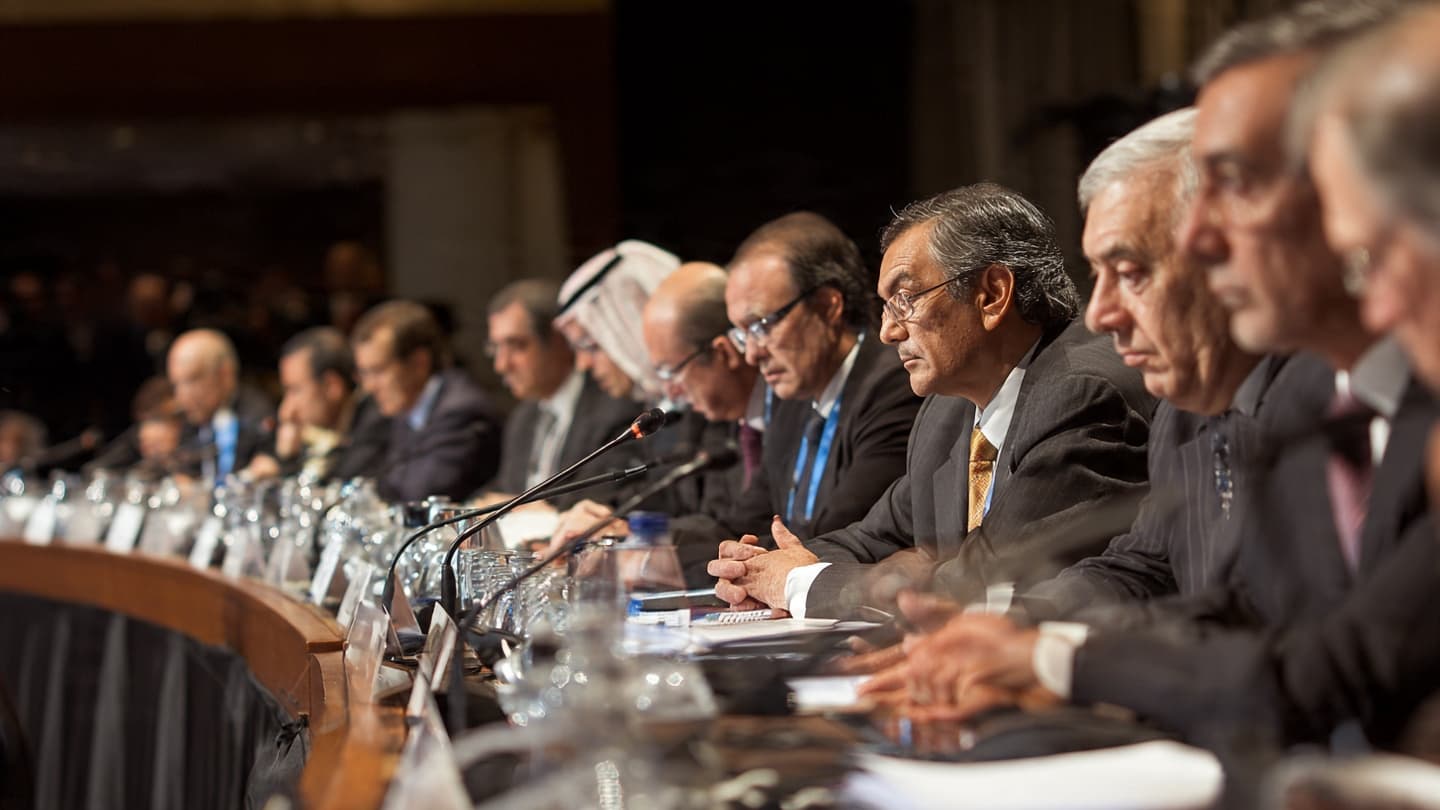
Diplomacy rarely advances in straight lines. More often, it resembles a desert path shaped by wind—sometimes clear, sometimes obscured, yet continually traced by those seeking common ground. Across the Middle East, renewed diplomatic efforts are once again nurturing cautious hopes that dialogue may help ease longstanding tensions.
Recent diplomatic initiatives involving several Middle Eastern countries have continued amid persistent regional challenges. International mediators and regional leaders have intensified discussions aimed at reducing tensions and preventing further escalation in conflict-prone areas.
Financial markets have responded positively to signs of renewed engagement, reflecting investor optimism that sustained dialogue could contribute to greater regional stability. Analysts, however, caution that diplomatic progress in the Middle East has historically required patience and sustained commitment.
Officials involved in ongoing talks have emphasized the importance of maintaining communication channels, even when disagreements remain significant. Diplomatic contacts have focused on security concerns, humanitarian issues, and broader regional cooperation.
Several governments have reiterated support for peaceful solutions through negotiation rather than confrontation. International organizations have likewise encouraged all parties to continue engaging in constructive dialogue.
Regional experts note that geopolitical dynamics in the Middle East remain highly complex, involving overlapping security, economic, and political interests. As a result, progress often occurs incrementally rather than through dramatic breakthroughs.
Humanitarian considerations continue to influence diplomatic discussions. Ongoing conflicts and displacement crises across parts of the region have underscored the urgency of pursuing lasting political solutions.
Global powers also remain engaged in diplomatic efforts, recognizing that instability in the Middle East can affect energy markets, trade routes, and international security more broadly.
While significant challenges persist, recent diplomatic activity suggests that dialogue remains an important instrument for reducing tensions and fostering a more stable regional environment.
AI Image Disclaimer: The visual illustrations accompanying this article were generated using artificial intelligence for editorial purposes.
Sources Verification Check: Reuters, Al Jazeera, Associated Press, BBC News, United Nations
Note: This article was published on BanxChange.com and is powered by the BXE Token on the XRP Ledger. For the latest articles and news, please visit BanxChange.com