
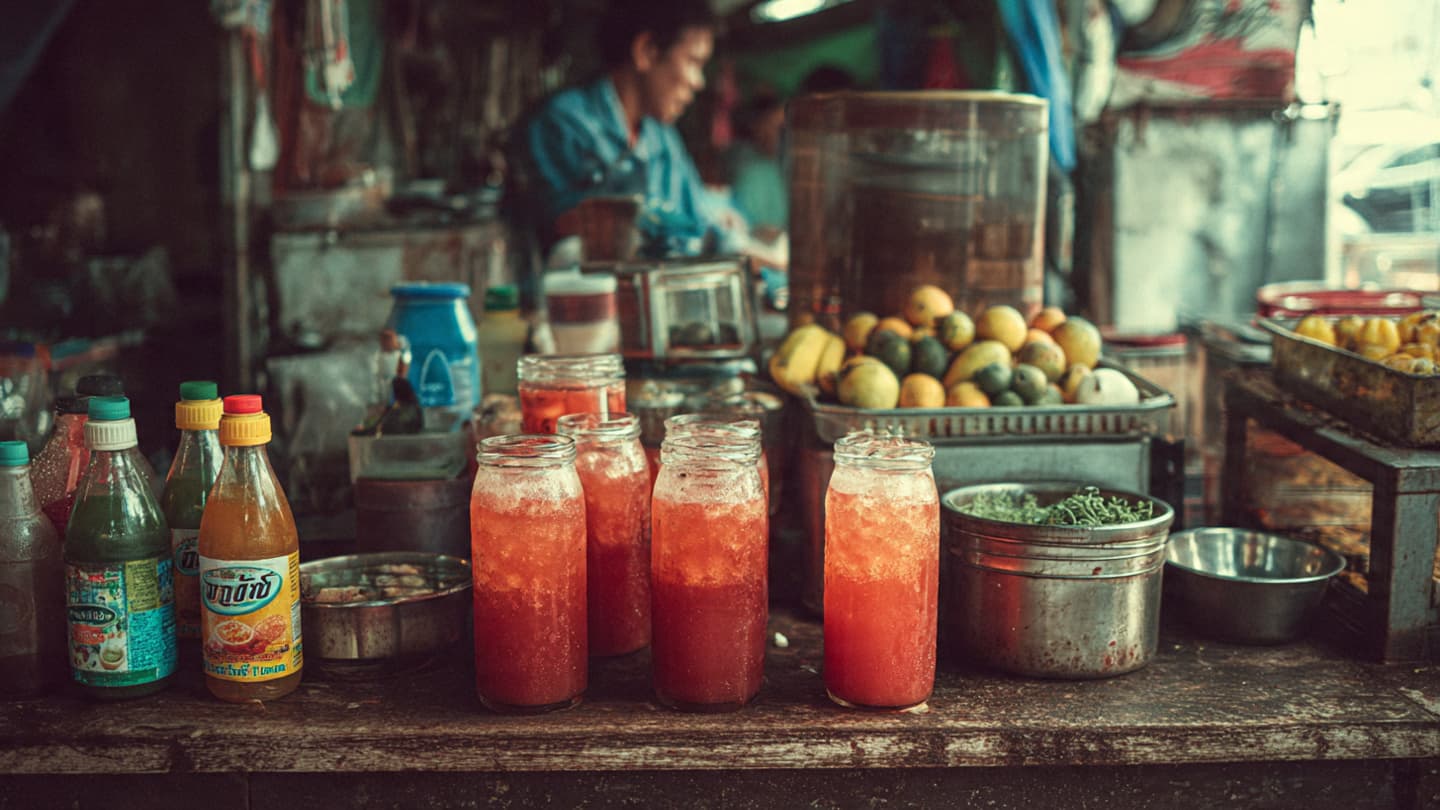
Morning markets in Thailand move with familiar rhythms of sweetness. Iced milk tea swirls beneath metal spoons, fruit drinks glisten against humid sidewalks, and coffee stalls release the scent of condensed milk into crowded city streets before sunrise fully settles over Bangkok. Yet beneath these ordinary rituals, a quieter public health conversation has begun unfolding across the country.
Thailand has launched a nationwide campaign aimed at reducing sugar levels in popular beverages as health officials confront rising concerns over obesity, diabetes, and long-term diet-related illnesses. The initiative encourages restaurants, cafés, convenience stores, and beverage manufacturers to gradually lower sugar content while promoting healthier consumption habits among consumers.
Public health authorities say sweetened drinks have become deeply embedded in modern urban lifestyles, particularly among younger populations. Bubble tea, flavored coffees, energy drinks, and sweetened traditional beverages remain widely consumed across both major cities and provincial communities. Officials hope gradual reform rather than abrupt restriction will encourage broader public acceptance.
The campaign arrives as many countries across Asia continue facing growing rates of metabolic disease linked to changing dietary patterns and increased processed food consumption. In Thailand, health agencies have spent recent years introducing sugar taxes, nutritional labeling requirements, and educational campaigns intended to shift consumer behavior without directly disrupting cultural food traditions.
Rather than framing sweetness as an enemy, officials appear to be approaching the issue with measured language centered around moderation and long-term health awareness. Some beverage chains participating in the campaign have already begun offering lower-sugar defaults or customizable sweetness levels for customers ordering drinks in stores and through delivery applications.
For small vendors operating street stalls and independent cafés, adaptation may prove more complicated. Sweetened beverages remain highly competitive products in Thailand’s intense food economy, where taste preferences strongly influence repeat customers. Some sellers worry dramatic flavor changes could reduce sales during already difficult economic conditions.
Nutrition experts supporting the initiative say gradual reduction strategies often succeed more effectively than sudden bans because consumers slowly adjust their palates over time. Similar approaches in other countries have reportedly lowered sugar consumption without generating widespread public backlash.
At the same time, Thailand’s food culture remains closely tied to hospitality, comfort, and abundance. Sweet drinks accompany family gatherings, long commutes, tropical heat, and evening conversations beneath fluorescent city lights. The campaign therefore moves through delicate territory where health policy intersects with memory, routine, and identity.
Younger urban consumers appear increasingly receptive to healthier alternatives, particularly within Bangkok’s growing wellness and fitness culture. Cafés promoting reduced-sugar beverages and natural ingredient menus have expanded steadily in recent years, reflecting broader shifts in lifestyle preferences among parts of the population.
Thai officials say the campaign will continue expanding through partnerships with schools, retailers, beverage companies, and public awareness programs as the country seeks to address long-term health risks associated with excessive sugar consumption.
Note: This article was published on BanxChange.com and is powered by the BXE Token on the XRP Ledger. For the latest articles and news, please visit BanxChange.com