
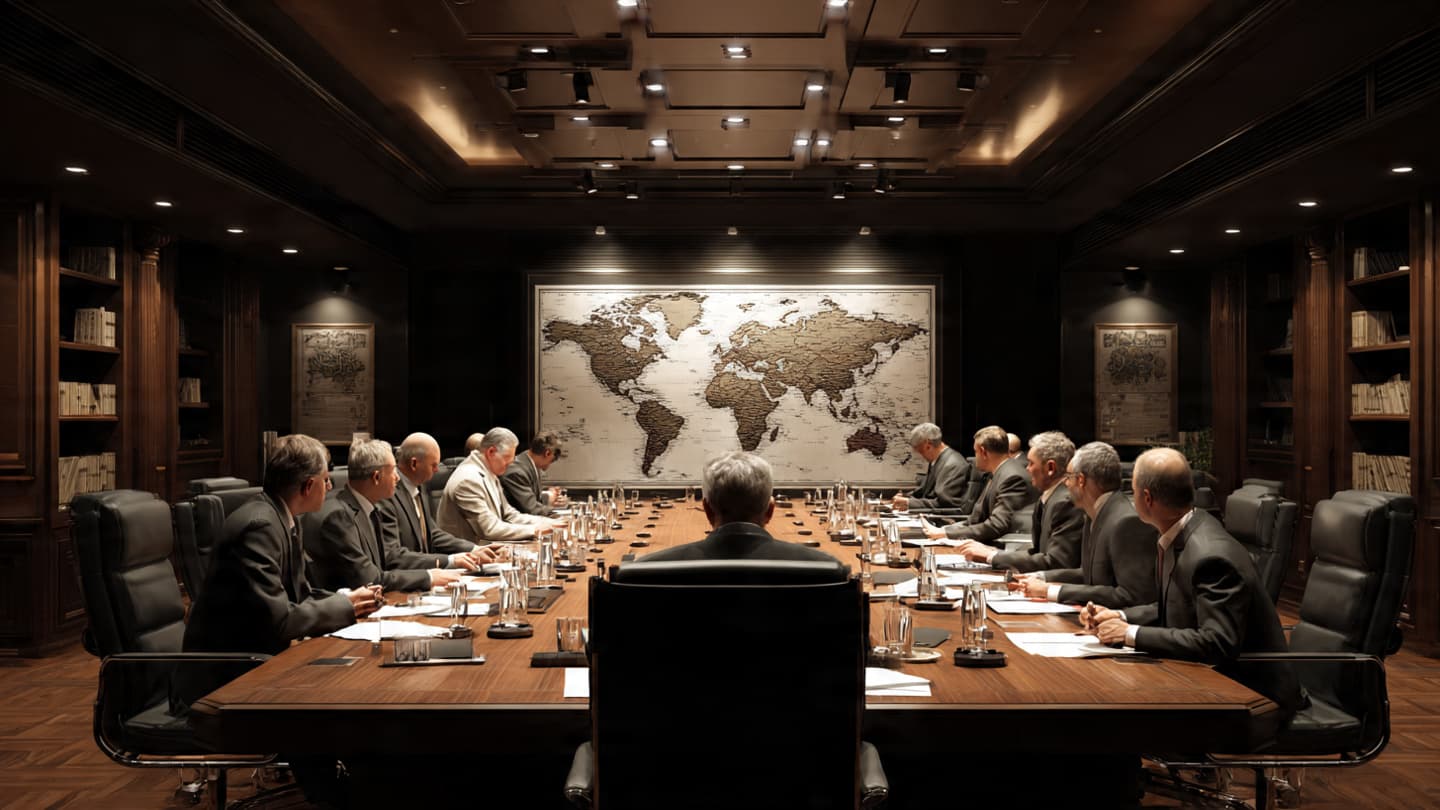
Night in the Middle East often arrives slowly, with heat lingering on concrete walls long after sunset and city lights flickering awake beneath dry winds. In moments of uneasy peace, the region can seem suspended between exhaustion and vigilance, as though entire coastlines are listening for what may come next. It was within this atmosphere of guarded quiet that a fragile ceasefire, announced only recently after days of escalating confrontation, began to show signs of strain.
Officials in Washington accused Iran of carrying out what they described as an “egregious ceasefire violation,” alleging that missile activity had occurred despite the terms of the truce negotiated through intense diplomatic efforts. The accusation emerged only hours after hopes for de-escalation had briefly softened the mood across capitals already worn by months of regional tension. Though details surrounding the reported launch remained contested, the language from American officials carried a sharpness that reflected growing concern over how quickly calm could dissolve.
Across the region, the ceasefire had been greeted less with celebration than with cautious relief. Airports resumed partial schedules. Families returned to streets that had recently emptied during alerts and air raid warnings. In coastal neighborhoods and inland towns alike, conversations drifted carefully toward ordinary routines — schools reopening, deliveries resuming, electricity grids stabilizing after nights shaped by uncertainty. Yet beneath these daily gestures lingered the awareness that many truces in the region arrive not as endings, but as pauses measured hour by hour.
The recent agreement had emerged after a period of heightened military exchanges involving Iran, Israel, and allied forces operating across multiple fronts. Diplomatic channels moved urgently behind closed doors as international mediators sought to prevent broader regional escalation. The ceasefire itself was described by several governments as temporary and conditional, dependent on restraint from all sides and continued communication between intermediaries.
American officials argued that the reported Iranian action risked undermining those efforts at a particularly delicate moment. Statements from Washington emphasized that the truce remained salvageable, though officials also warned that repeated violations could provoke further military responses. Iranian authorities, meanwhile, pushed back against aspects of the accusations, offering differing accounts surrounding battlefield activity and timing. As often happens during fragile ceasefires, certainty became difficult to separate from narrative, with competing statements moving across international media alongside satellite imagery, intelligence briefings, and hurried diplomatic calls.
Beyond official exchanges, the wider region continued to absorb the emotional weight of instability. In cities shaped by years of recurring conflict, the sound of aircraft overhead or emergency sirens can alter entire evenings. Ports, oil facilities, and transport corridors remained under heightened observation, reflecting fears that even limited incidents could ripple outward into energy markets and international shipping routes. Foreign ministries from Europe to Asia urged restraint, aware that regional escalation rarely remains confined to one border or coastline.
The ceasefire’s fragility also revealed a deeper truth about modern diplomacy in the region: agreements are often negotiated under the pressure of ongoing motion rather than genuine stillness. Military forces remain positioned. Surveillance continues uninterrupted. Political rhetoric shifts by the hour. Peace, in such moments, resembles a narrow bridge suspended above unresolved grievances and competing security calculations.
Yet even amid tension, there remained visible efforts to preserve the truce. Mediators reportedly continued conversations through regional partners, while international organizations called for renewed commitment to de-escalation. The language of diplomacy persisted alongside the language of deterrence, each attempting to shape the direction of the coming days.
By morning, markets reopened in several cities and traffic once again filled roads that had briefly quieted during the height of the confrontation. The ceasefire technically remained in place, though now shadowed by suspicion and uncertainty. In the Middle East, where history often moves in cycles of interruption and return, moments of calm are rarely simple. They are carried carefully, like glass through crowded streets, vulnerable to even the smallest fracture.
AI Image Disclaimer: Visuals are AI-generated and serve as conceptual representations of the events described.
Sources:
Reuters Associated Press BBC News Al Jazeera U.S. Department of State
Published by Banx Network. This article is part of the Banx decentralized media programme, powered by the BXE token on the XRP Ledger.

.jpg&w=3840&q=75 "Intelligence Agencies Suspect Russia Is Developing Anti-Satellite Weapon to Target Starlink")
