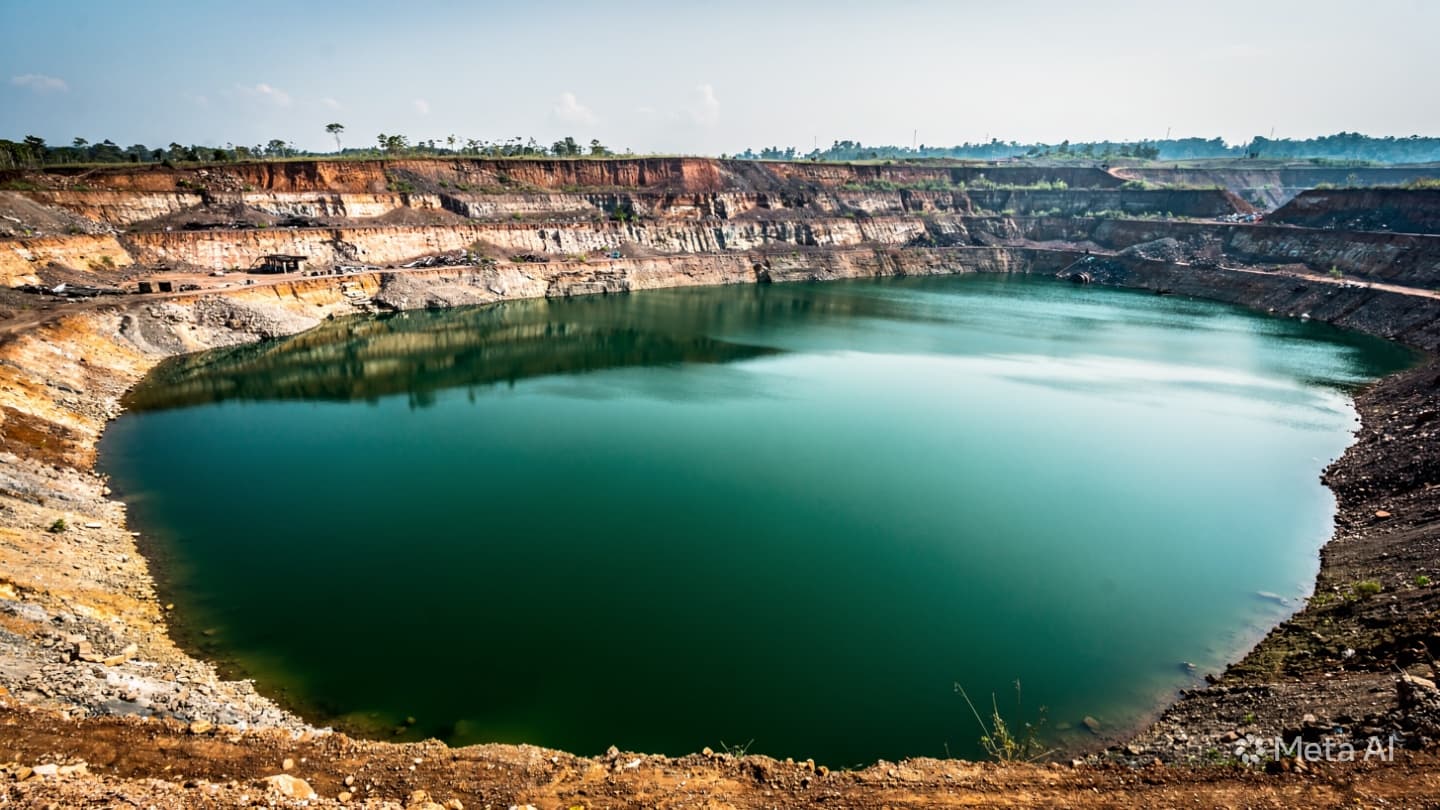
Samarinda, Indonesia—The tragic toll of unreclaimed mining infrastructure in East Kalimantan rose once again on June 11, 2026, when a teenage boy drowned in an abandoned, water-filled coal mining pit. The incident, which marks the 53rd documented fatality associated with neglected mining concessions in the province, occurred at approximately 11:30 AM. The victim was reportedly playing near the edge of the massive artificial crater with friends when he slipped into the deep, highly acidic water.
The abandoned mining hole, located close to a residential settlement, lacked proper perimeter fencing, warning signs, or structural barriers to prevent public access. Witnesses stated that the victim struggled to scale the steep, unstable clay embankments forming the sides of the pit before disappearing beneath the dark greenish surface. Local residents launched an immediate search effort using basic ropes and bamboo poles before professional rescue divers arrived at the scene.
A search and rescue team recovered the teenager's body from the floor of the pit after an agonizing two-hour operation. Local medical examiners confirmed that the cause of death was acute asphyxiation from drowning, compounded by the heavy concentration of suspended sediments in the water. The tragic event has reignited fierce criticism from regional environmental advocacy groups, who have spent over a decade campaigning against corporate negligence in the extractive sector.
According to reporting by Ekspos Kaltim, regional regulations explicitly mandate that mining companies perform comprehensive land reclamation and backfilling operations once coal reserves are exhausted. However, weak regulatory oversight and systemic bureaucratic loopholes allow numerous operators to abandon concession sites without penalty. These massive voids eventually fill with rainwater, creating hidden, toxic drowning hazards adjacent to vulnerable rural communities.
Local community leaders expressed deep frustration at the recurring loss of young lives, noting that successive provincial administrations have failed to enforce structural safety measures on multi-national coal corporations. Activists argue that the actual death toll may be higher than official statistics indicate, as many drownings in remote interior sectors go underreported by local corporate-aligned media outlets.
The local police department has launched a formal inquiry to identify the corporate entity holding the active concession license for the site where the drowning occurred. Legal experts note, however, that many of these pits belong to shell companies that dissolve or declare bankruptcy shortly after extraction concludes, insulating parent corporations from civil or criminal liability. This legal ambiguity leaves families with no path toward corporate accountability or financial restitution.
As news of the 53rd death spread across Samarinda, youth organizations organized a peaceful candlelight vigil outside the provincial governor's office, demanding immediate state funding to drain or fence off the hundreds of hazardous pits scattered across the landscape. The regional government has promised a sweeping review of active mining permits, though similar political pledges in the past have yielded few tangible field results.
Clearance of the site remains ongoing as investigators map the perimeter to determine the proximity of the illegal mining shelf to public roads. The victim's family is preparing for a private burial ceremony in their village, while civic groups vow to escalate legal pressure on provincial regulators to halt the issuance of new extractive licenses until existing environmental damage is remedied.
Published by Banx Network. This article is part of the Banx decentralized media programme, powered by the BXE token on the XRP Ledger.