
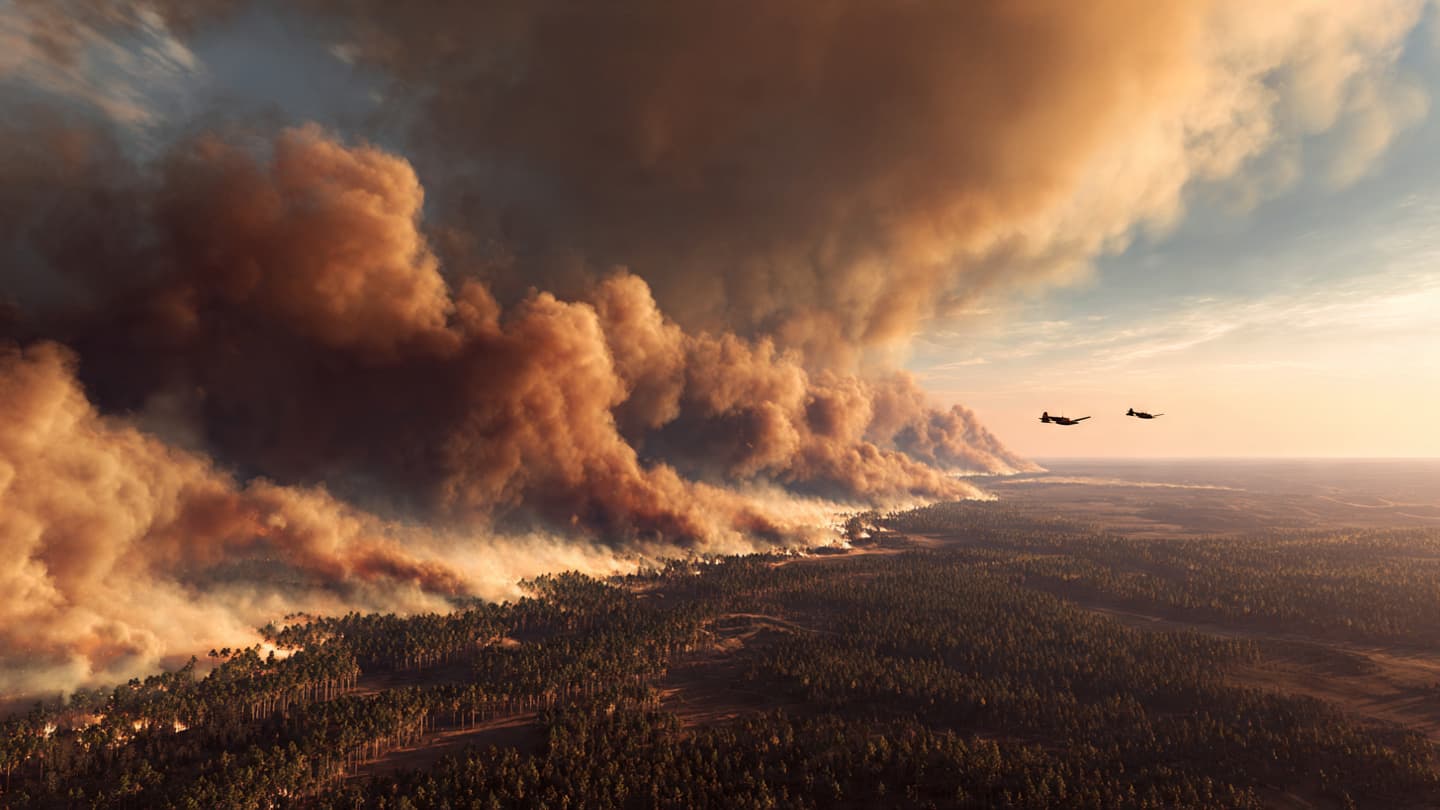
There are seasons when the earth appears to breathe differently. Rivers narrow, winds sharpen, and forests that once held moisture begin to crack beneath persistent heat. In recent months, scientists and environmental agencies have observed a troubling expansion of wildfire activity across multiple continents, with global fire outbreaks reportedly reaching record levels this year.
Researchers attribute much of the increase to a combination of rising global temperatures, prolonged drought conditions, and the influence of climate patterns such as El Niño. Together, these factors have created landscapes more vulnerable to ignition and more difficult to contain once fires begin spreading.
Large fires have been reported across parts of Africa, Asia, South America, and regions approaching the summer season in the Northern Hemisphere. Environmental monitoring agencies note that wildfire behavior has become increasingly unpredictable, with stronger winds and drier vegetation accelerating the spread of flames in several affected regions.
For local communities, the effects extend beyond the visible destruction of forests and property. Smoke pollution from major fires can travel across borders, affecting air quality and public health far from the original source. Hospitals in some regions have reported increased respiratory concerns during prolonged fire periods.
Climate scientists have repeatedly warned that rising global temperatures are likely to intensify extreme weather events, including droughts and wildfire seasons. While fires are natural parts of some ecosystems, experts say the frequency and scale of recent outbreaks indicate changing environmental conditions linked to long-term climate trends.
Governments and emergency agencies have responded with expanded evacuation plans, aerial firefighting operations, and cross-border coordination. Yet many experts caution that emergency response alone may not be sufficient as fire seasons grow longer and more severe in multiple regions simultaneously.
The economic impact is also becoming increasingly significant. Agriculture, tourism, transportation, and insurance industries often experience major disruptions during widespread wildfire events. In some countries, repeated fire seasons have placed additional strain on public budgets and emergency infrastructure.
Environmental advocates argue that the current wave of fires highlights the urgency of climate adaptation strategies alongside emissions reduction efforts. Forest management, urban planning, and water conservation policies are now being discussed more actively as governments prepare for future climate-related risks.
As smoke continues to rise across different parts of the world, scientists emphasize that wildfires are no longer viewed solely as isolated environmental events. They are increasingly understood as part of a broader global climate challenge affecting ecosystems, economies, and communities alike.
AI Image Disclaimer: Visual illustrations in this article may include AI-generated imagery created to support environmental storytelling.
Sources: Reuters, World Meteorological Organization, NASA Earth Observatory
Note: This article was published on BanxChange.com and is powered by the BXE Token on the XRP Ledger. For the latest articles and news, please visit BanxChange.com