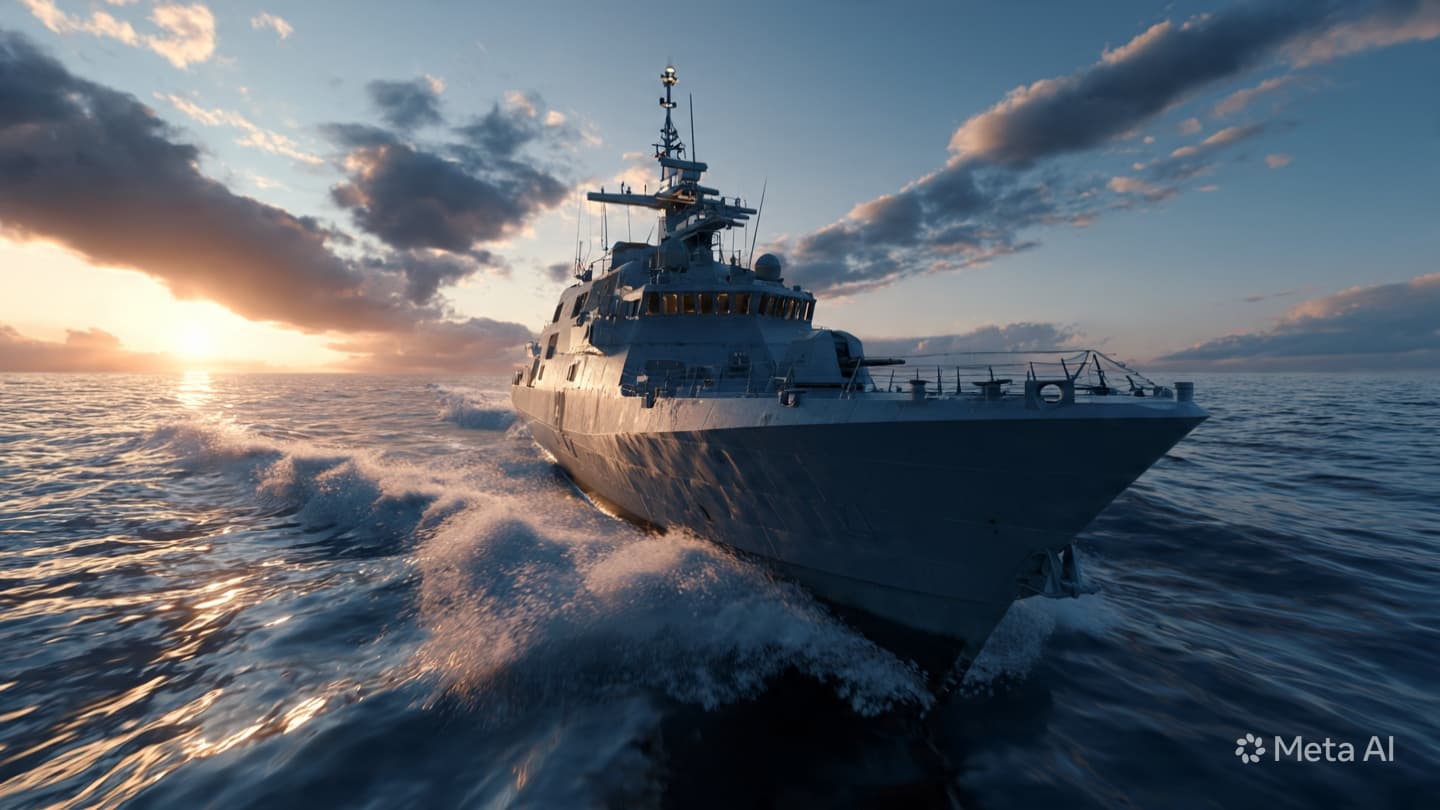
The Caribbean Sea has long been a conduit for commerce, culture, and connection. Yet, it also serves as a theater for illicit activities that threaten the stability and safety of the region. Following a recent series of incidents involving illegal drug trafficking, regional maritime authorities have signaled a clear and robust shift in their operational posture. The call for increased surveillance is a proactive response, a commitment to ensuring that the waters that sustain the islands do not become highways for criminal enterprises.
This regional surge in maritime activity is not happening in isolation. It is the result of an integrated strategy involving the CARICOM Implementation Agency for Crime and Security (IMPACS), the Regional Security System (RSS), and national coast guards across the Eastern Caribbean. By combining satellite intelligence, AIS (Automatic Identification System) analysis, and increased surface patrols, authorities are creating a more "persistent" maritime presence. The focus has moved beyond simple interdiction to targeting the underlying logistics networks—the shadow fleets and complex ownership structures that allow trafficking organizations to exploit regulatory gaps.
For the islands, this is a matter of sovereignty and economic health. The tourism sector, which relies on the perception of these waters as safe and serene, is a primary beneficiary of this heightened vigilance. When authorities disrupt a trafficking route, they are doing more than seizing contraband; they are upholding the integrity of the Caribbean as a destination and as a home. The integration of modern technology—including AI-assisted systems for monitoring vessel behavior—marks a professionalization of regional security that is both necessary and overdue.
The coordination between these regional bodies and international partners, such as the U.S. Southern Command and regional customs agencies, is a powerful deterrent. Operationally, this means more than just having patrol boats on the water; it means a sophisticated, real-time exchange of data that allows agencies to anticipate movements and identify suspicious activity before it reaches coastal zones. It is a transition toward a "networked" defense, where every patrol vessel and monitoring station acts as a link in a chain that spans the entire archipelago.
We see in this move a deeper recognition of the transnational nature of the threat. Illegal drug trafficking does not respect borders, and therefore, the security response must be equally borderless. The recent initiatives by maritime authorities are a testament to the fact that when the Caribbean nations work as a single entity, their collective capacity for enforcement increases exponentially.
As these surveillance efforts intensify, the message to illicit networks is unambiguous: the operational space is closing. The work is demanding, requiring constant vigilance and the endurance of long shifts under the sun and across the currents. Yet, it is an essential investment in the future. The safety of the Caribbean's maritime borders is the bedrock upon which the peace of the islands is built, and the current commitment to surveillance is a vital step toward securing that foundation for years to come.
Regional maritime authorities and security agencies across the Eastern Caribbean have officially moved to a heightened state of surveillance following a series of illegal drug trafficking incidents. The response, coordinated through regional security frameworks, involves an increase in both aerial and surface patrols, supported by advanced satellite monitoring and intelligence sharing. Officials note that this strategy aims to dismantle the "shadow fleet" logistics networks used by criminal organizations and to strengthen the overall security of regional maritime corridors against illicit cargo movement.
Published by Banx Network. This article is part of the Banx decentralized media programme, powered by the BXE token on the XRP Ledger.