.jpg&w=3840&q=75 "* A Sudden Fracture in the Sidewalk: When Echoes of Gunfire Pierce Montreal Evenings")
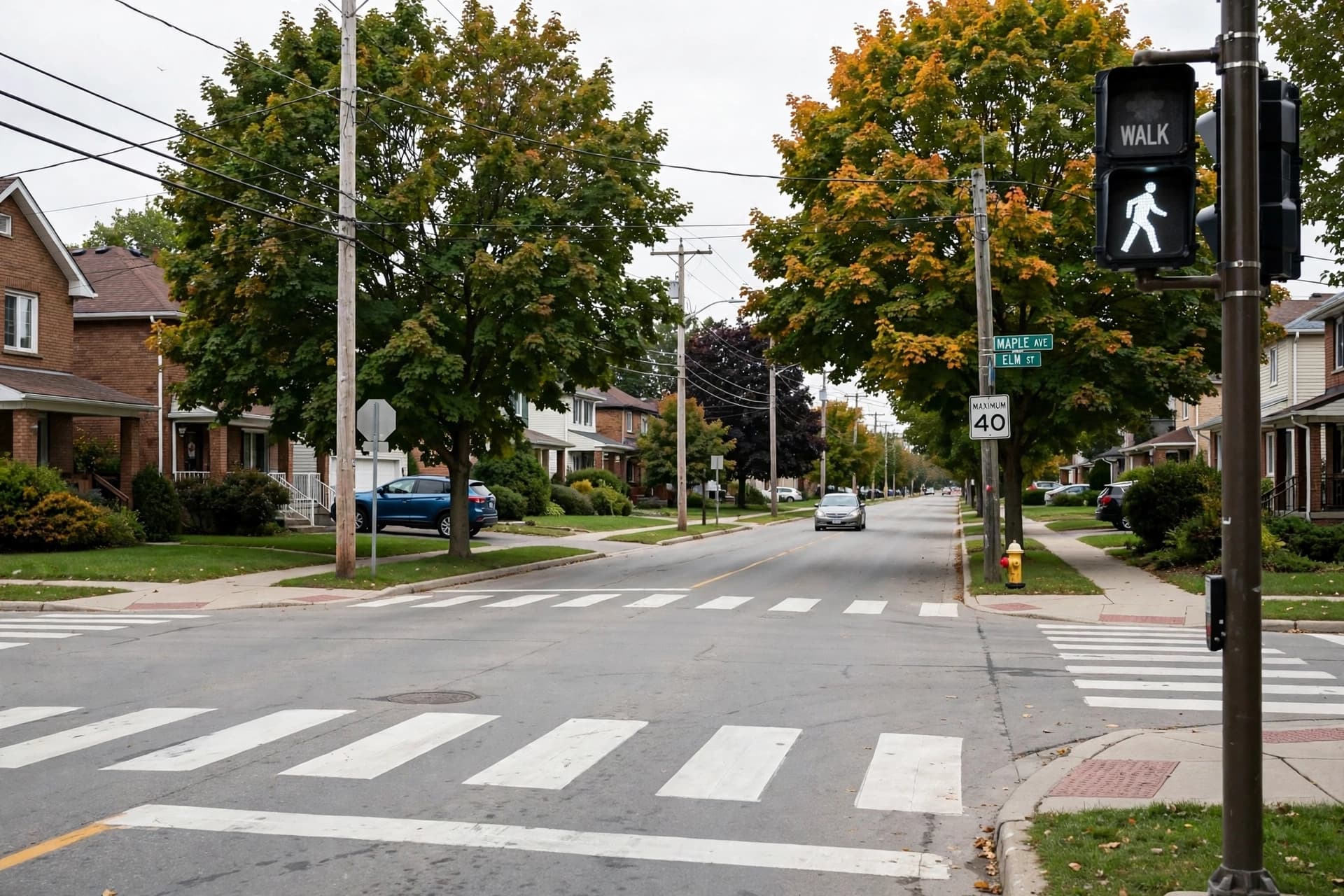
The evening in the historic neighborhoods of the city was unfolding with its customary grace, the sound of distant traffic on the boulevards mixing with the laughter of residents on their balconies. Shadows lengthened along the rows of classic duplexes, their iron staircases twisting upward toward the darkening sky like sculptures of industrial lace. It was the hour when the city transitions from the productivity of daytime into the intimate spaces of evening rest.
That peaceful transition was violently interrupted by a succession of sharp, metallic cracks that cut through the ambient murmur of the neighborhood. To those who heard it, the sound carried an immediate, chilling finality, causing conversations to freeze and footsteps to halt on the pavement. In the seconds that followed, the normal sounds of the neighborhood returned, but they were now colored by an undercurrent of sudden apprehension.
Within moments, the quiet street was filled with the harsh geometry of emergency response, as police cruisers arrived with tires gripping the asphalt. The flashing blue and red lights illuminated the old stone facades in rhythmic intervals, transforming a familiar corner into an alien landscape of crisis. Emergency medical technicians moved with practiced speed toward a figure lying motionless near the edge of the sidewalk.
Despite the swift application of medical intervention, the injuries sustained by the victim proved too severe for the limitations of human skill. The announcement of death at the scene brought a sudden, somber quiet to the gathering crowd of onlookers who had stepped out into the night air. A life had ended in the space of a few heartbeats, leaving behind a physical space that would now be picked apart by forensic science.
Cordon tape was quickly established, partitioning the street into areas of public life and zones of legal scrutiny. Detectives began the slow, deliberate process of searching the pavement for spent shell casings, tracing the trajectory of the flight with small markers that glowed under the beams of their flashlights. The neighborhood stood as a silent witness, its residents watching from windows as their home ground became a puzzle to be solved.
The impact of such localized violence ripples outward through a community in ways that cannot be measured by police reports or statistics. It leaves a lingering coldness on the steps where children play, a sudden hesitation when opening the front door after dark, and a collective feeling of vulnerability. The realization that the fabric of safety can be torn so casually in a residential enclave is a heavy burden for any neighborhood to carry.
As the midnight hour passed, investigators began knocking on doors, their low voices asking for any shred of memory that might assist in building a timeline of the event. A passing car, a sudden shout, or the sound of footsteps retreating into the network of alleys that characterize the city’s design could hold the key. The answers are often hidden in these small, easily overlooked moments of the urban night.
The dawn will eventually come, casting a cold light on the chalk circles and the remnants of medical packaging left behind on the street. The residents will have to step over the invisible boundaries of the crime scene as they head to work, carrying the memory of the night’s violence into the routine of a new day. The street will eventually look as it always did, but the memory of the fracture will remain in the minds of those who live there.
The Service de police de la Ville de Montréal has confirmed that a homicide investigation is actively underway following the fatal shooting. Officials have stated that the major crimes unit is examining all available surveillance footage from nearby businesses, though no arrests have been made at this stage of the inquiry.
Published by Banx Network. This article is part of the Banx decentralized media programme, powered by the BXE token on the XRP Ledger.