The Strait of Hormuz is a artery of the global economy, a narrow passage where the world’s energy supply flows in a delicate balance. When that flow is interrupted, the shockwaves are felt far beyond the water’s edge. Recently, a tanker carrying liquefied natural gas (LNG) from Qatar was struck by a projectile while transiting the strait, sparking a fire and raising alarms about the security of one of the most critical maritime chokepoints. This incident is not just a logistical setback but a stark reminder of the fragility of global energy networks.
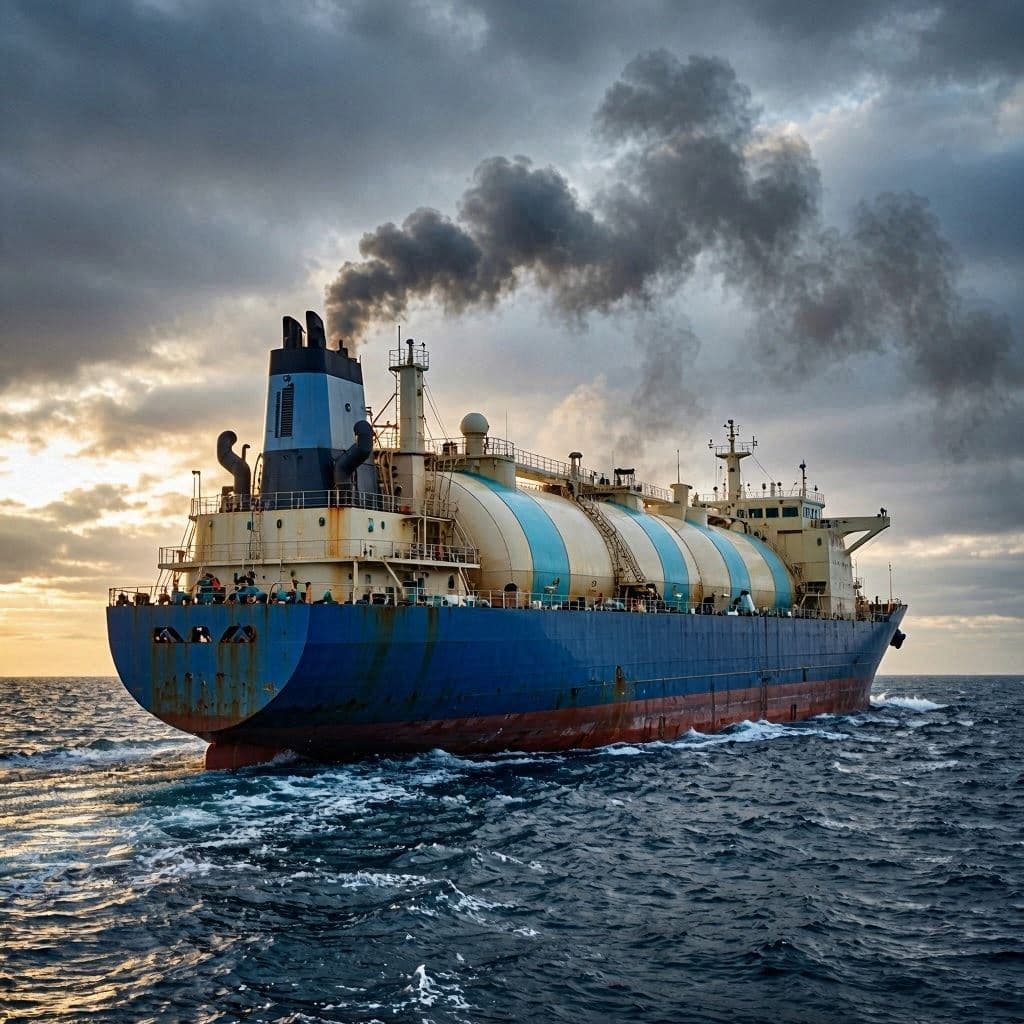
The vessel, identified as a Qatari LNG carrier, was attacked while moving through the Omani side of the strait. The projectile struck the engine room, causing a fire that threatened to engulf the ship. Although the crew was safely evacuated and the fire was eventually contained, the damage was significant. The tanker remains stranded off the coast of Oman, awaiting salvage operations, while the cargo it carried is lost to the market.
This attack is part of a broader pattern of aggression in the region, where commercial shipping has increasingly become a target in geopolitical conflicts. The Strait of Hormuz, through which about 20% of the world’s oil and a significant portion of LNG pass, is a vulnerable spot. Any disruption here has immediate effects on global prices, sending energy markets into volatility and prompting governments to reassess their security strategies.
For Qatar, a major exporter of LNG, the incident is a direct blow to its economic interests. The country relies heavily on energy exports to fund its development and maintain its global influence. Attacks on its shipping fleet undermine its reputation as a reliable supplier and force it to invest more in security measures. The financial cost of such disruptions is substantial, affecting not just the company owning the tanker but the entire national economy.
Insurance premiums for vessels transiting the strait have skyrocketed, adding to the cost of energy transport. Some shipping companies are considering alternative routes, though these are often longer and more expensive. The risk premium is passed on to consumers, contributing to inflation and economic uncertainty. For industries dependent on cheap energy, this is a significant burden that can slow growth and innovation.
International responses have been mixed. While some nations have called for restraint and dialogue, others have increased their naval presence in the region. The U.S. Fifth Fleet, based in Bahrain, has stepped up patrols, but the sheer volume of traffic makes complete security impossible. The situation highlights the limitations of military power in protecting commercial interests in complex geopolitical environments.
Environmental concerns are also raised by the incident. Although the fire was controlled, the risk of a larger explosion or spill remains. The sensitive marine ecosystem of the Gulf is vulnerable to pollution, and any leakage could have long-term consequences for local fisheries and wildlife. Environmental groups are monitoring the situation closely, urging for strict safety protocols in future transit operations.
The strike on the Qatari LNG tanker is a warning shot across the bow of global commerce. As the world depends ever more on the steady flow of energy through narrow straits, the need for stability and cooperation becomes paramount. Without it, the price of progress may become too high to bear.
AI Image Disclaimer: The images associated with this article are AI-generated illustrations designed to represent the themes of maritime security and energy logistics.
Sources: Bloomberg, Reuters, Al Jazeera, Insurance Journal
Note: This article was published on BanxChange.com and is powered by the BXE Token on the XRP Ledger. For the latest articles and news, please visit BanxChange.com