
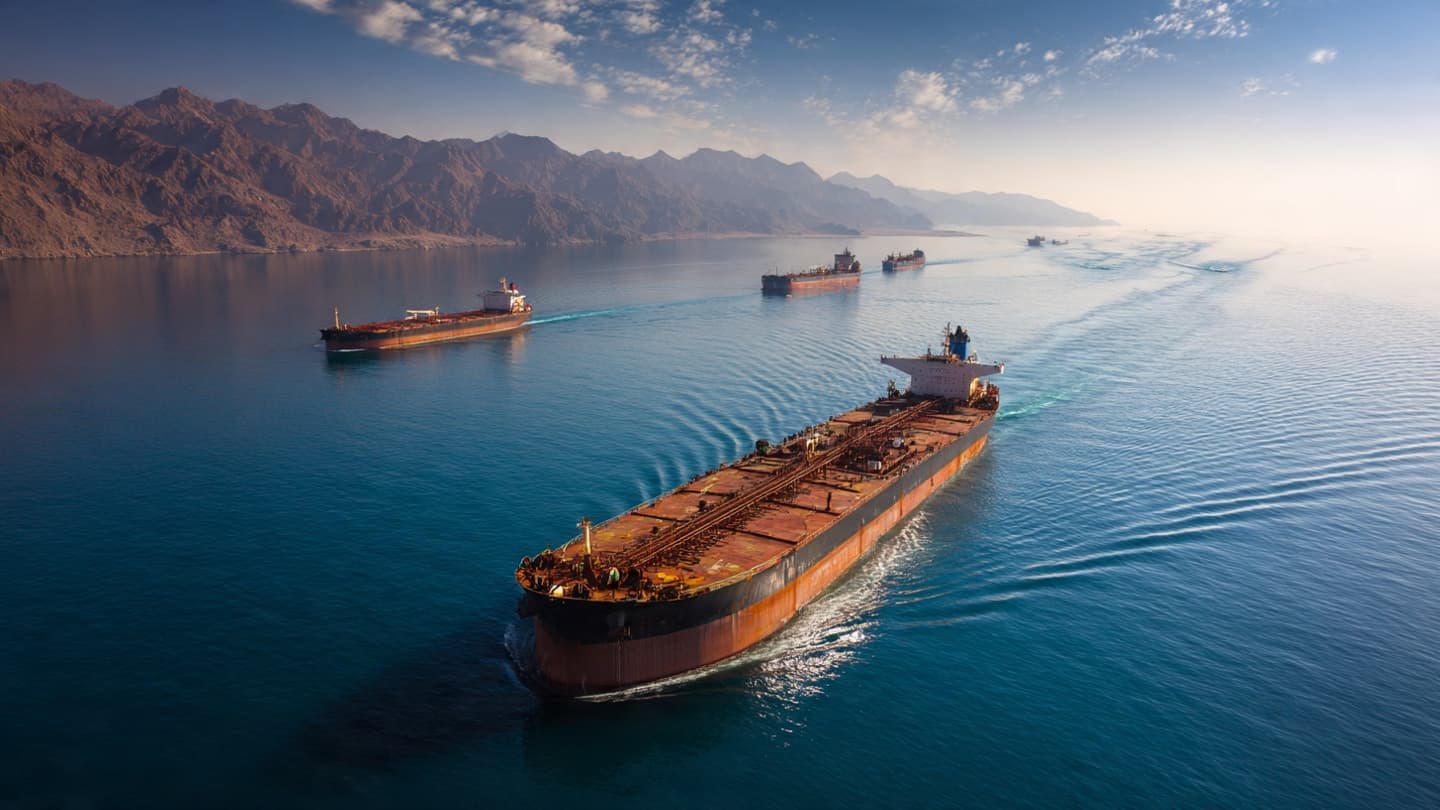
Some locations hold significance far beyond their physical size. The Strait of Hormuz, a relatively narrow waterway connecting the Persian Gulf to global shipping routes, is one such place. Whenever tensions rise in the region, attention from governments, markets, and international organizations often turns toward this strategic maritime corridor.
Recent developments involving military activity and diplomatic exchanges in the Middle East have once again placed the Strait of Hormuz at the center of global discussion. Analysts and policymakers are closely monitoring the situation due to the waterway's importance to international trade and energy transportation.
A substantial portion of the world's seaborne oil exports passes through the strait each year. As a result, any perceived risk to shipping activity can influence market sentiment and attract attention from energy-importing nations across Asia, Europe, and other regions.
For decades, the Strait of Hormuz has been viewed as one of the world's most strategically important maritime passages. Its geographic location places it at the intersection of regional security concerns, international commerce, and global energy supply chains.
Shipping companies, energy firms, and governments routinely evaluate developments in the area. Even when commercial traffic continues uninterrupted, heightened security concerns can affect planning decisions and risk assessments.
Regional governments have repeatedly emphasized the importance of maintaining freedom of navigation and ensuring the safety of commercial vessels. International naval forces also maintain a presence in surrounding waters to support maritime security operations.
Observers note that diplomatic developments often play a significant role in shaping perceptions of risk. Statements from political leaders, military officials, and international organizations can influence how markets and governments evaluate conditions in the region.
Despite periodic concerns, maritime traffic through the strait has generally continued operating under established international frameworks. Nonetheless, its strategic importance ensures that developments there remain a subject of close observation.
As regional events continue to unfold, the Strait of Hormuz is likely to remain a focal point for discussions involving energy security, international trade, and geopolitical stability. Its significance illustrates how geography continues to influence global affairs in the modern era.
AI Image Disclaimer The featured illustration is AI-generated and created solely to provide a visual representation of the topic.
Sources Reuters, Associated Press, Bloomberg, Financial Times
Note: This article was published on BanxChange.com and is powered by the BXE Token on the XRP Ledger. For the latest articles and news, please visit BanxChange.com