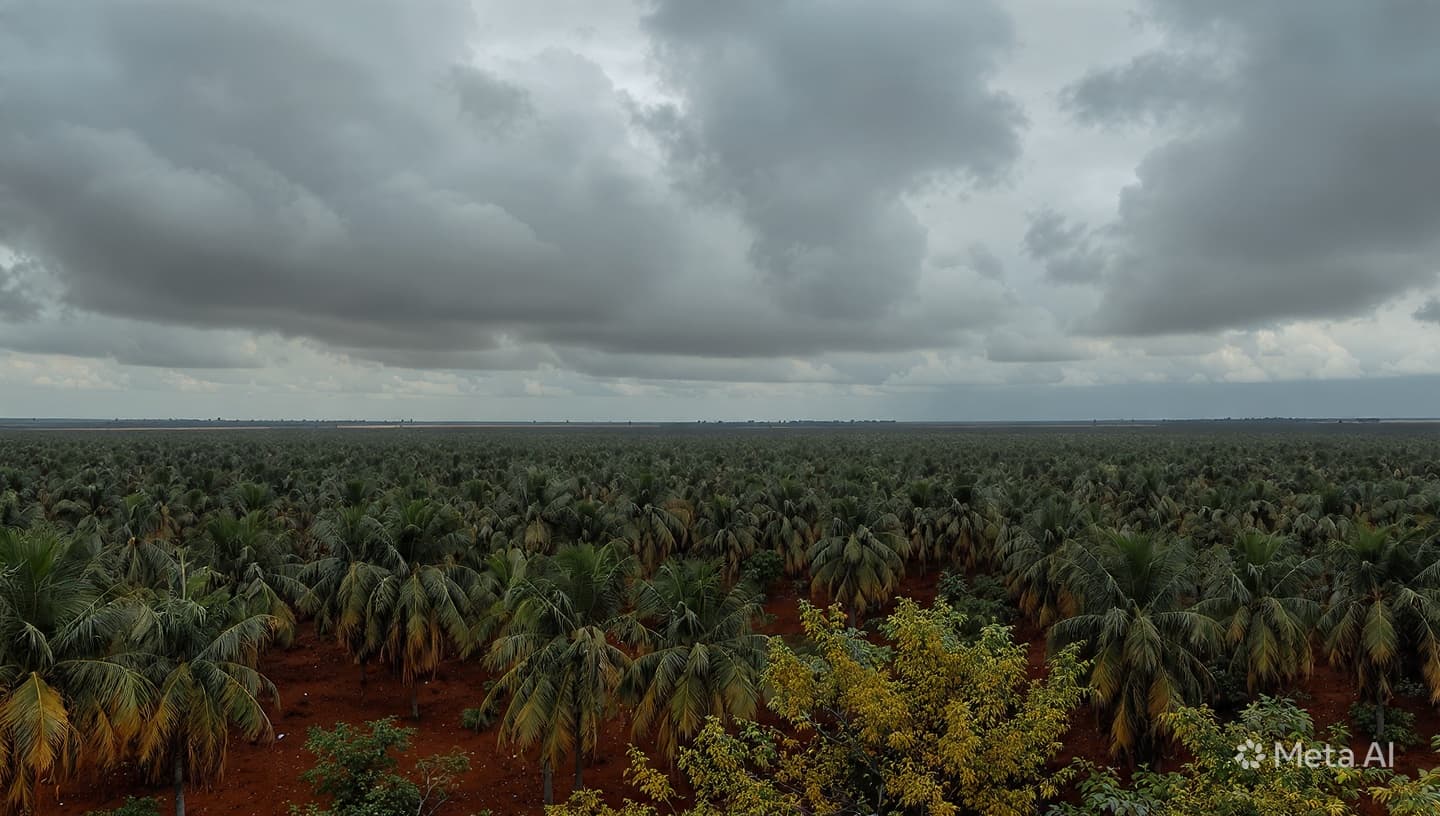
In the reports emerging from the municipality of Trujillo, there is a recurring sense of shock as the details of the incident at the palm plantation begin to coalesce. Local media outlets, often the first to capture the immediate reality of such events, have painted a harrowing picture of what transpired when gunfire interrupted the routine of laborers in the fields. It is a tragedy that is described as indiscriminate, a term that carries a profound, chilling weight when applied to the lives of those who were simply engaged in their daily work
The account of the event is one that forces a reflective pause. To read of laborers, some of whom had gathered in a local space, being targeted is to be confronted with the sheer, unmediated reality of the violence that can afflict the most vulnerable. It is an editorial reality that these workers, often the backbone of the region’s agricultural identity, find themselves caught in the middle of broader conflicts that they do not control, yet pay for with their lives.
One considers the impact of this tragedy on the wider community of Trujillo. It is not just the loss of individuals; it is the destruction of a sense of place. The plantation, which has historically been a site of contention, has now become a site of collective mourning. The reports emphasize the indiscriminate nature of the firing, a detail that underscores the profound disregard for human life that characterized the attack.
In these moments, the role of reportage becomes one of witness. By documenting the aftermath, local media has provided the nation with an unfiltered look at the cost of the conflict. It is a necessary, albeit painful, contribution to the public record, ensuring that the tragedy is not obscured by the passage of time or the rhetoric of those who wish to minimize its impact.
Reflecting on these accounts, one is drawn to the resilience of the families who, despite the surrounding chaos, took it upon themselves to recover their kin. This act of human devotion stands in stark contrast to the callousness of the attack. It is a reflection of a community that, in the face of insurmountable loss, continues to prioritize the dignity of the departed.
The focus must now turn to the lessons that can be drawn from such a devastating occurrence. It is an editorial requirement to examine the conditions that allow for such violence to occur without immediate intervention. The tragedy in Trujillo is a clarion call for a more proactive approach to security and a more comprehensive strategy for resolving the agrarian tensions that have long simmered beneath the surface of the northern coast.
As the narrative of the event is refined by the ongoing investigation, the voices from the field continue to offer a sobering perspective. They remind us that behind the statistics and the official statements, there are real lives, real families, and a real need for justice that transcends the political and economic disputes of the day. It is a call for a more humanized approach to national security.
Regional reporting and statements from local authorities have provided a consistent, if grim, account of the attack, describing the use of heavy-caliber weapons against laborers in the plantation sectors. These reports have been instrumental in focusing national attention on the urgency of the situation in Trujillo. The Public Prosecutor’s Office continues to incorporate witness testimonies and local media documentation into its broader investigative file as it works to map the sequence of the violence and identify the groups responsible.
Published by Banx Network. This article is part of the Banx decentralized media programme, powered by the BXE token on the XRP Ledger.