
Large international projects often resemble carefully constructed bridges, connecting expertise, ambition, and long-term strategic goals. Yet even the strongest frameworks can face strain when priorities diverge. In Europe’s defense sector, a major fighter aircraft initiative appears to be entering a period of uncertainty, opening the door to potential new partnerships.
Body
Airbus is reportedly moving closer to cooperation with Saab as challenges continue to affect the Franco-German Future Combat Air System (FCAS) program. The development reflects growing concerns regarding delays, disagreements, and differing priorities among participants in one of Europe's most ambitious defense projects.
The FCAS initiative was originally conceived as a next-generation combat aircraft program intended to strengthen European defense capabilities and technological independence. France, Germany, and Spain have been key participants in the effort.
However, reports suggest that disputes involving industrial responsibilities, intellectual property, and program management have complicated progress. Such challenges are not uncommon in multinational defense projects, where governments and companies must balance strategic and commercial interests.
Saab, the Swedish aerospace company known for developing advanced military aircraft, has increasingly attracted attention as a potential alternative partner. Industry observers view Saab's experience and technological capabilities as assets that could complement Airbus' objectives.
The possibility of deeper Airbus-Saab cooperation comes at a time when European governments are reassessing defense priorities amid evolving security conditions. Military modernization and technological competitiveness remain important themes across the continent.
Defense analysts note that next-generation fighter programs involve enormous financial commitments and decades of planning. Decisions made today can influence military capabilities, industrial competitiveness, and international partnerships for many years.
While discussions continue, officials and industry representatives have emphasized that negotiations and program evaluations remain ongoing. The ultimate direction of future cooperation will depend on political decisions as well as industrial considerations.
Closing
The reported shift toward Saab highlights the changing dynamics within Europe's defense industry. As stakeholders continue evaluating options, the future of next-generation combat aircraft development remains a closely watched issue across the region.
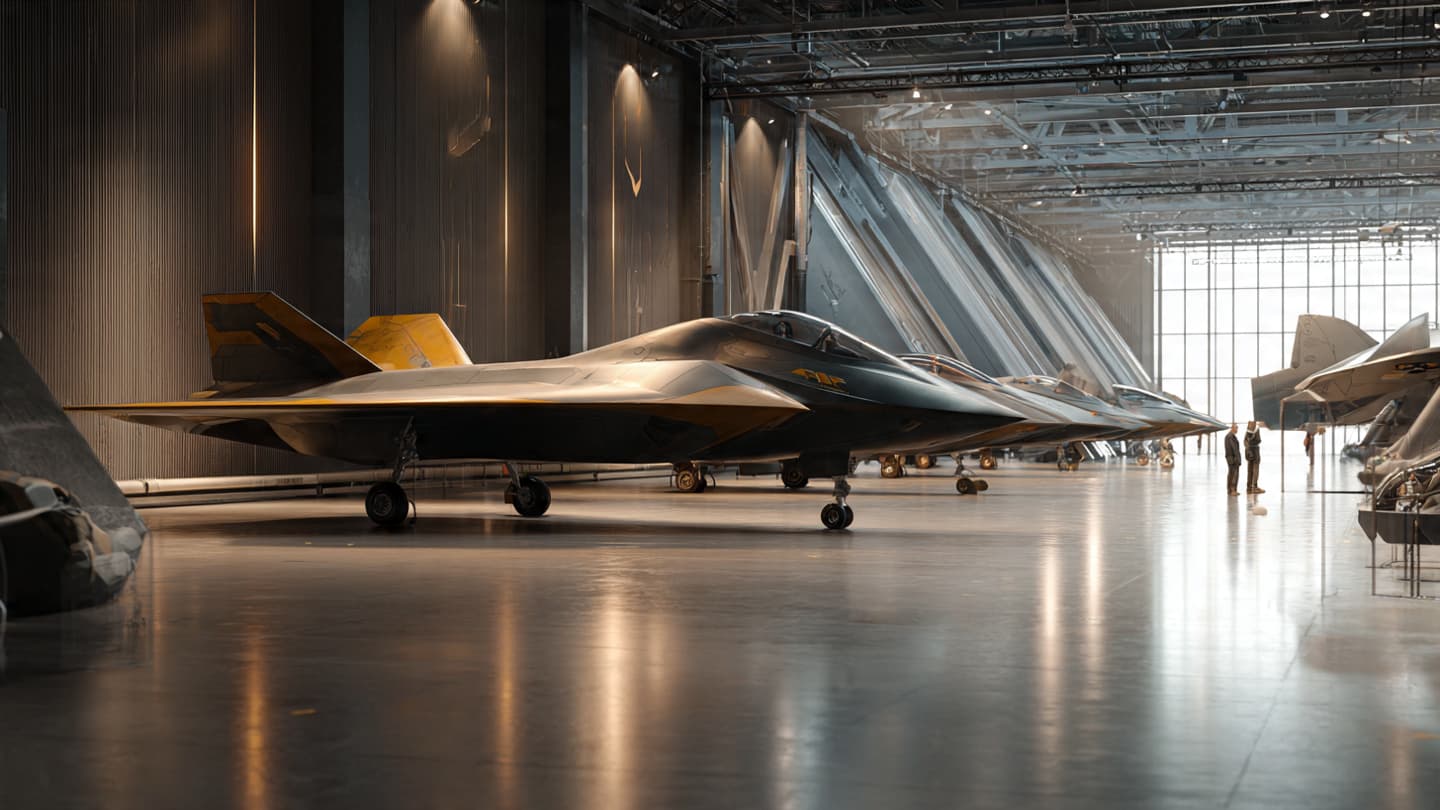
AI Image Disclaimer: This article includes an AI-created illustration designed to visually represent the subject matter.
Source Verification Check: Reuters, Defense News, FlightGlobal, Aviation Week, Jane's Defence Weekly
Note: This article was published on BanxChange.com and is powered by the BXE Token on the XRP Ledger. For the latest articles and news, please visit BanxChange.com