Exploration is often associated with distant destinations, yet some of humanity's most compelling questions remain surprisingly close to home. The Moon, Earth's nearest celestial neighbor, continues to attract scientific interest as researchers seek to better understand its history, composition, and potential role in future space missions. A newly proposed X-ray telescope concept may help advance that effort in significant ways.
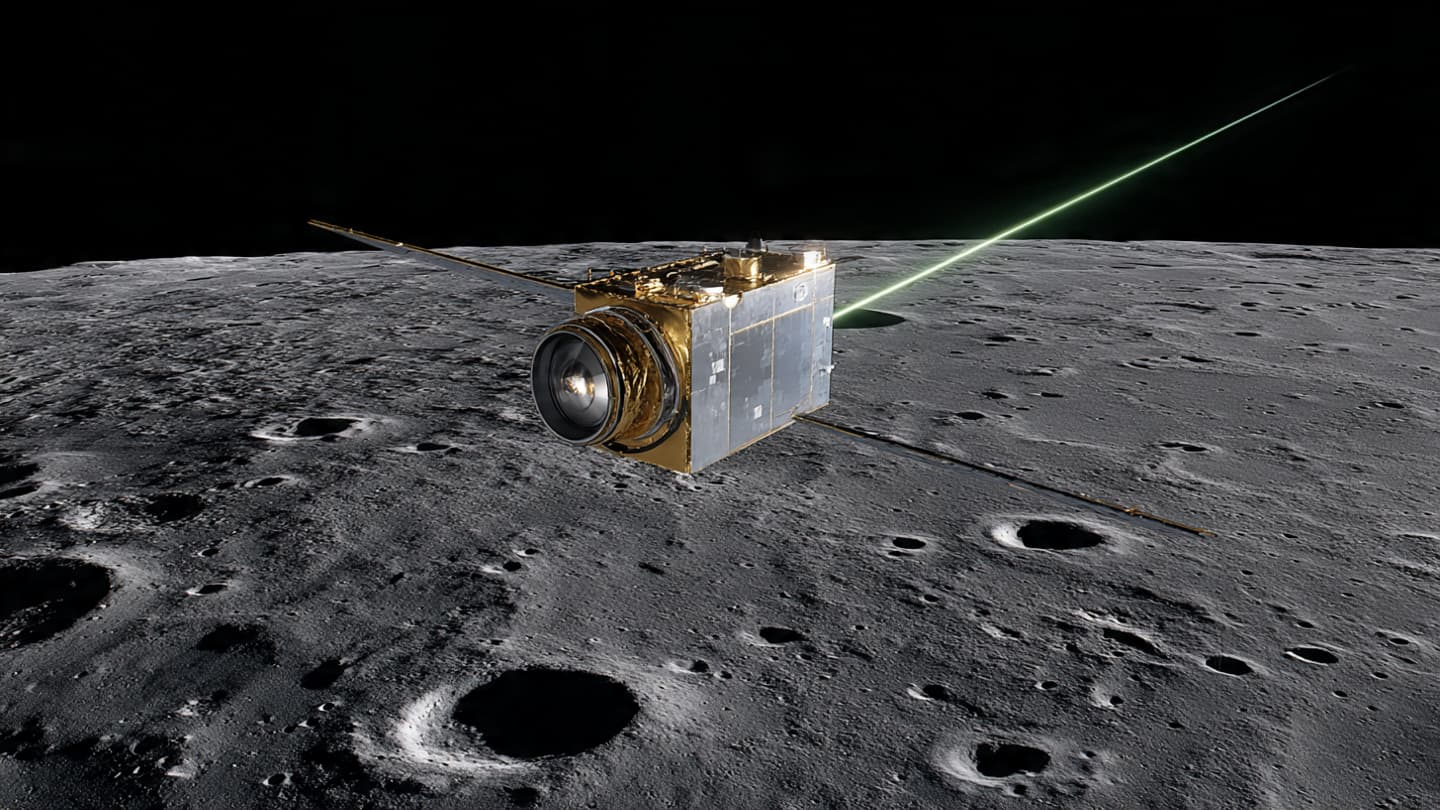
Scientists are developing an innovative lightweight X-ray telescope designed to create highly detailed chemical maps of the lunar surface. The technology could provide researchers with valuable information about the Moon's geological evolution and resource distribution.
Unlike visible-light observations, X-ray instruments can detect signatures associated with specific chemical elements. This capability allows scientists to examine the composition of planetary surfaces with remarkable precision.
Researchers believe the telescope could contribute to a more comprehensive understanding of how the Moon formed and changed over billions of years. Detailed elemental maps may reveal clues about ancient impacts, volcanic activity, and internal geological processes.
The project arrives during a period of renewed international interest in lunar exploration. Multiple space agencies and private companies are developing missions aimed at studying, orbiting, and eventually returning humans to the Moon.
Accurate resource mapping is increasingly important as long-term lunar exploration becomes a realistic objective. Understanding the location of minerals and other materials could support future scientific and operational activities.
Engineers involved in the project are focusing on reducing instrument weight while maintaining scientific performance. Lightweight systems can lower mission costs and expand deployment opportunities.
The telescope concept also illustrates how technological innovation continues to transform planetary science. Instruments that once required large spacecraft can increasingly be adapted into more efficient and versatile designs.
As development progresses, researchers hope the technology will contribute to a new generation of lunar investigations. Whether supporting robotic missions or future human exploration, detailed X-ray mapping may provide valuable insights into one of the most studied—and yet still mysterious—objects in the night sky.
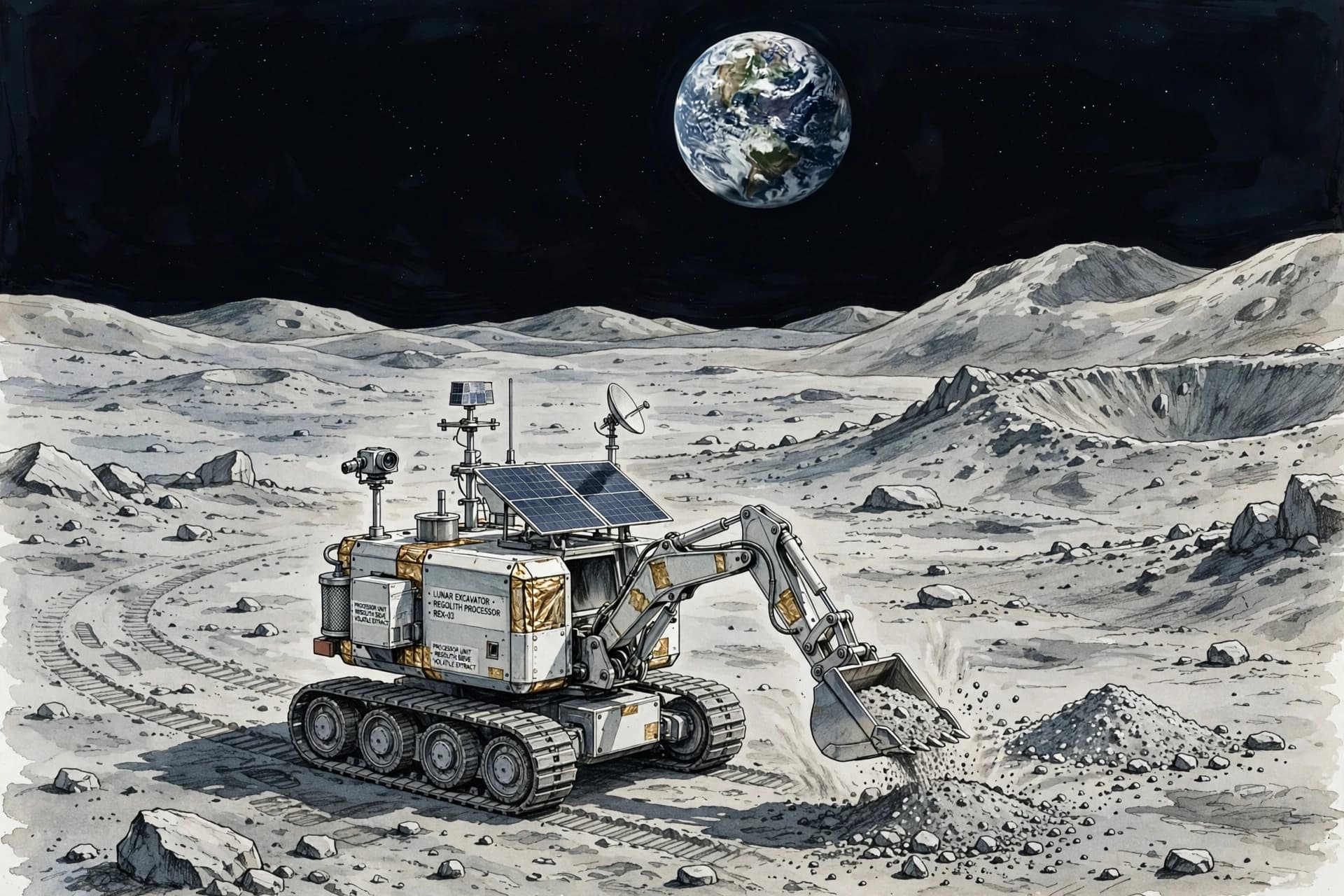
AI Image Disclaimer: The accompanying image is AI-generated and serves only as a conceptual visualization of the lunar research technology discussed.
Source Verification Check: ScienceDaily, NASA, European Space Agency, Planetary Science Journal, Space.com
Published by Banx Network. This article is part of the Banx decentralized media programme, powered by the BXE token on the XRP Ledger.