The world’s major waterways have always carried more than ships and cargo. They carry the movement of economies, the rhythm of global trade, and the fragile connections between nations. When security concerns reach these strategic passages, the effects are felt far beyond the immediate location. A reported drone strike near Egypt’s Suez region has renewed attention on the risks surrounding one of the world’s most important maritime corridors.
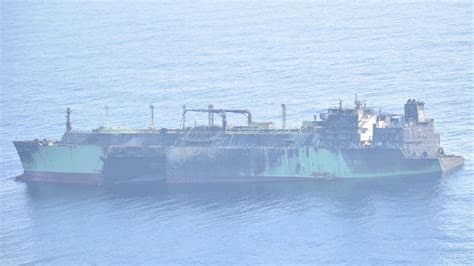
The incident involved a drone attack that caused damage at Egypt’s Mediterranean port of Damietta, near the broader Suez Canal area, according to reports from Reuters. Officials said the attack affected gas-related vessels, including a U.S.-owned storage tanker, although responsibility for the strike had not been publicly confirmed.
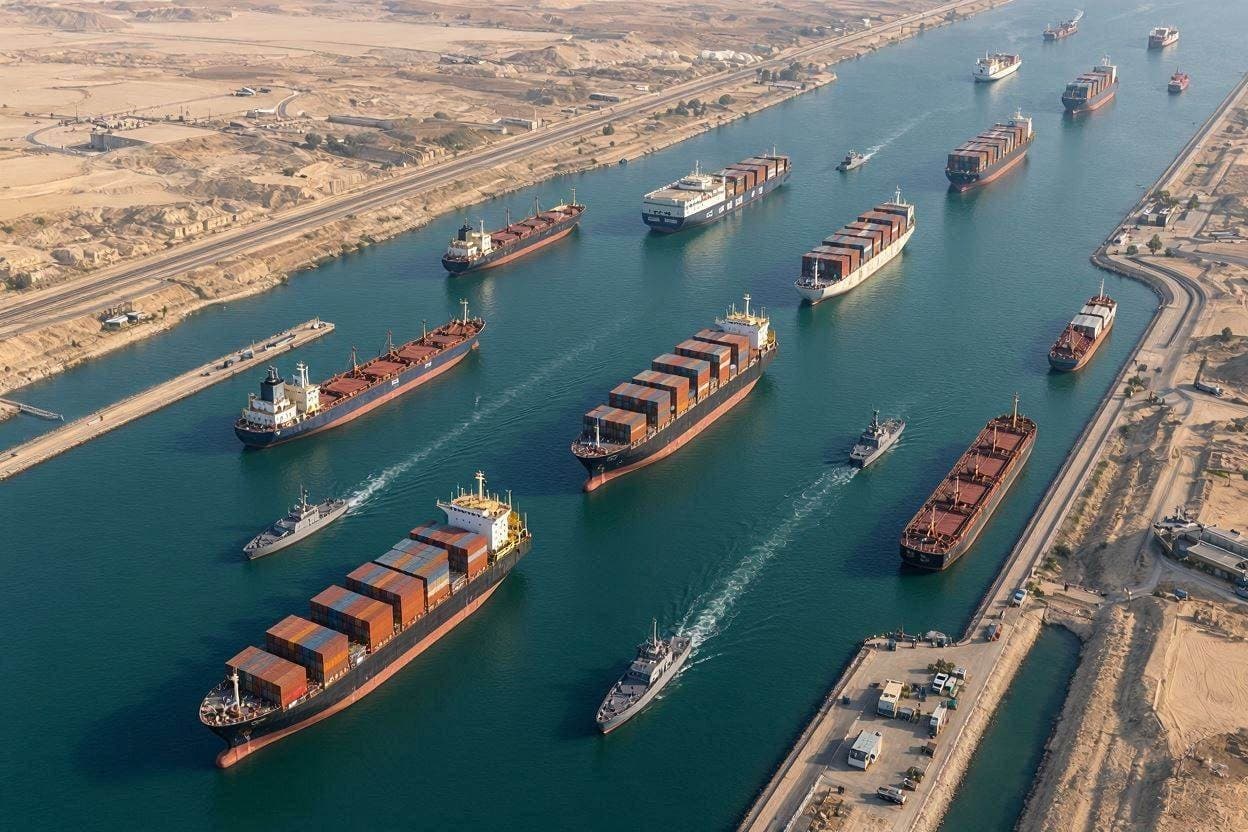
The Suez Canal remains a vital route for international shipping, connecting the Mediterranean Sea with the Red Sea and serving as an important passage for energy shipments and commercial trade. Any security concerns around the region can influence shipping decisions, insurance costs, and market confidence even when operations continue normally.
The strike occurred amid broader tensions involving the United States, Iran, and regional actors. Recent clashes, including missile and drone activity across parts of the Middle East, have increased concerns that the conflict could expand into additional areas.
For policymakers in Washington and other capitals, developments near Suez represent a complicated challenge. The region is not only a place of military importance but also a foundation of global commerce. Decisions made during periods of tension must consider security concerns alongside diplomatic efforts to prevent further instability.
Egypt has historically played a central role in maintaining the security and operation of the Suez Canal. The waterway has remained open through many periods of regional uncertainty, reflecting its importance as an international route connecting different parts of the world.
The possibility of wider disruption has also drawn attention from energy markets. Analysts have noted that increased risks around major shipping routes can influence transportation costs and create uncertainty for industries dependent on stable global supply chains.
Beyond the immediate security questions, the incident highlights how modern conflicts can spread through interconnected systems. A single event involving drones, shipping infrastructure, or energy facilities can create concerns that reach governments, businesses, and communities far from the original location.
As investigations continue and governments monitor developments, attention remains focused on preventing further escalation. The situation near Suez serves as another reminder that in today’s world, distant regions are often connected by invisible threads of security, trade, and diplomacy.
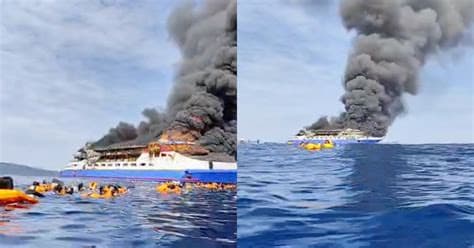
AI Image Disclaimer: The images accompanying this article are AI-generated illustrations showing maritime security, the Suez Canal region, and geopolitical monitoring scenarios. They are conceptual representations, not real images of the incident.
Sources:
Reuters Associated Press BBC News The Guardian
Note: This article was published on BanxChange.com and is powered by the BXE Token on the XRP Ledger. For the latest articles and news, please visit BanxChange.com