In the complex tapestry of Venezuelan politics, where threads of history, ideology, and international pressure intertwine, a new pattern is beginning to emerge. The government has announced its intention to launch formal talks with opposition members, signaling a potential shift from confrontation to dialogue. This move is not merely a procedural step; it is a gesture toward reconciliation in a nation long divided by political strife. It invites reflection on the power of conversation to heal deep wounds and the possibility of finding common ground in a landscape often defined by polarization.
Body: The announcement comes after months of behind-the-scenes negotiations and growing international encouragement for a peaceful resolution to the country’s political stalemate. For many Venezuelans, weary of economic hardship and social uncertainty, the prospect of dialogue offers a glimmer of hope. It suggests that leaders on both sides may be recognizing the urgent need to prioritize national stability over partisan victory. This shift in tone could pave the way for meaningful reforms and greater civic participation.
For the opposition, engaging in formal talks represents a strategic opportunity to voice concerns and advocate for democratic principles within an institutional framework. While skepticism remains high due to past failed attempts at negotiation, the current context differs. With changing global dynamics and internal pressures, there is a renewed sense that compromise may be not only desirable but necessary. The opposition’s participation signals a willingness to test the waters of cooperation, however cautiously.
The government, meanwhile, frames the talks as a commitment to constitutional order and national sovereignty. By inviting opposition voices to the table, it seeks to demonstrate openness and legitimacy. This approach aims to counter narratives of authoritarianism and present a vision of inclusive governance. Whether this effort translates into tangible policy changes remains to be seen, but the symbolic value of engagement is significant.
International observers have welcomed the news, viewing it as a positive step toward democratization. Countries and organizations that have long called for dialogue see this as a validation of their diplomatic efforts. However, they also emphasize the importance of transparency and good faith in the proceedings. The world watches closely, hoping that these talks will lead to concrete outcomes rather than mere rhetoric.
Civil society groups play a crucial role in this process. They act as bridges between the political elite and the general population, ensuring that the voices of ordinary citizens are heard. Their involvement can help build trust and hold leaders accountable to any agreements reached. A truly inclusive dialogue must extend beyond party lines to encompass the diverse needs of the Venezuelan people.
Challenges remain substantial. Deep-seated mistrust, economic instability, and external influences could derail progress. Yet, the very act of sitting down to talk is a powerful antidote to conflict. It creates space for understanding, even if agreement is not immediately reached. Each conversation builds a foundation for future collaboration, however fragile it may seem.
As the talks commence, the focus will be on setting agendas and establishing protocols. Key issues such as electoral reforms, human rights, and economic recovery will likely dominate the discussion. The success of these negotiations will depend on the willingness of all parties to listen, adapt, and compromise. It is a delicate dance that requires patience and resilience.
Closing: In the end, the launch of formal talks between the Venezuelan government and the opposition is a moment of potential transformation. It highlights the enduring hope for peace and democracy in a troubled nation. As dialogue begins, the wish is that it leads to lasting solutions and a brighter future for all Venezuelans.
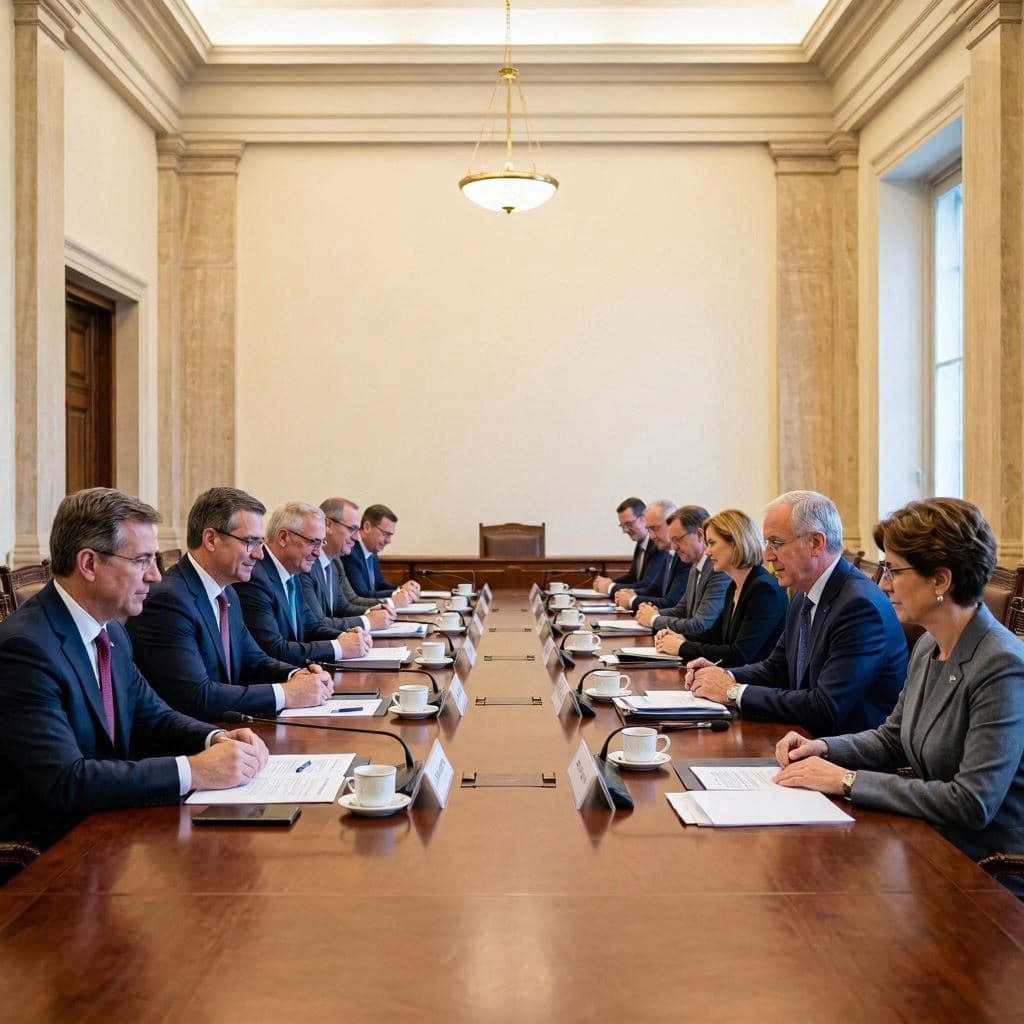
AI Image Disclaimer: Please note that any accompanying visuals for this narrative are artificially generated interpretations meant to evoke the spirit of the story, not documentary evidence.
Sources: Reuters The Guardian Al Jazeera
Published by Banx Network. This article is part of the Banx decentralized media programme, powered by the BXE token on the XRP Ledger.