The quest for religious freedom often intersects with the rigid structures of national law, creating moments of profound tension and reflection. In Kenya, a recent High Court ruling has dismissed a petition by the Rastafarian community seeking to legalize the use of cannabis for sacramental purposes. This decision is not merely a legal setback; it is a poignant reminder of the challenges faced by minority faiths in navigating secular legal frameworks. It invites us to consider how societies balance the preservation of public order with the protection of spiritual practices, and what it means to belong to a community whose core rituals are deemed illegal by the state.
Body: The Rastafarian Society of Kenya had argued that the ban on cannabis violated their constitutional right to freedom of religion. For Rastafarians, the herb, known as "ganja," is a sacred sacrament used in meditation and prayer to enhance spiritual connection. The court, however, ruled that the public health and safety concerns associated with drug use outweighed the specific religious claims. This judgment underscores the difficulty of granting exemptions to general laws, even when those laws infringe upon deeply held beliefs.
For the Rastafarian community, the ruling is a source of deep disappointment but not despair. Leaders have indicated that they will appeal the decision, viewing the legal battle as part of a longer struggle for recognition and respect. Their persistence highlights the resilience of faith in the face of institutional resistance. It is a testament to their commitment to their identity, even when the broader society remains skeptical or hostile.
The case also sheds light on the evolving global conversation around cannabis. While many nations are moving toward decriminalization or legalization for medical and recreational use, Kenya maintains strict prohibitions. This contrast places the Rastafarian petition at the forefront of a complex debate about tradition, modernity, and the role of the state in regulating personal and spiritual choices. It raises questions about whether legal reforms should lead or follow social change.
Public reaction in Kenya has been mixed. Some citizens express sympathy for the Rastafarians, recognizing the sincerity of their faith. Others remain concerned about the potential for increased drug abuse if exemptions are granted. This division reflects broader societal anxieties about morality and law enforcement. Navigating these differing perspectives requires dialogue and empathy from all sides.
Legal experts note that the court’s decision aligns with existing precedents that prioritize public interest over individual religious practices when there is a perceived risk to society. However, critics argue that this approach fails to accommodate the diversity of religious expression in a pluralistic democracy. They call for a more nuanced interpretation of constitutional rights that respects minority traditions without compromising public safety.
The international Rastafarian community watches closely, seeing the Kenyan case as a bellwether for similar struggles elsewhere. From Jamaica to Europe, Rastafarians continue to advocate for the right to use cannabis sacramentally. The outcome in Kenya may influence future legal strategies and advocacy efforts globally. It is a shared journey toward greater understanding and acceptance.
As the appeal process begins, the focus shifts to higher courts and potentially international human bodies. The hope is that a more comprehensive review will consider the cultural and spiritual significance of the practice. Until then, the Rastafarian community continues to practice their faith in the shadows, maintaining their traditions despite legal constraints.
Closing: In the end, the rejection of the Rastafarian petition is a moment of pause in a long journey for religious liberty. It highlights the complexities of balancing faith and law in a modern state. As the dialogue continues, the hope is that society will find ways to honor diverse spiritual paths while maintaining social cohesion.
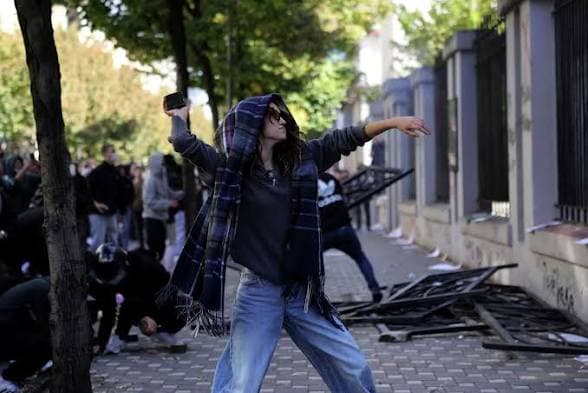
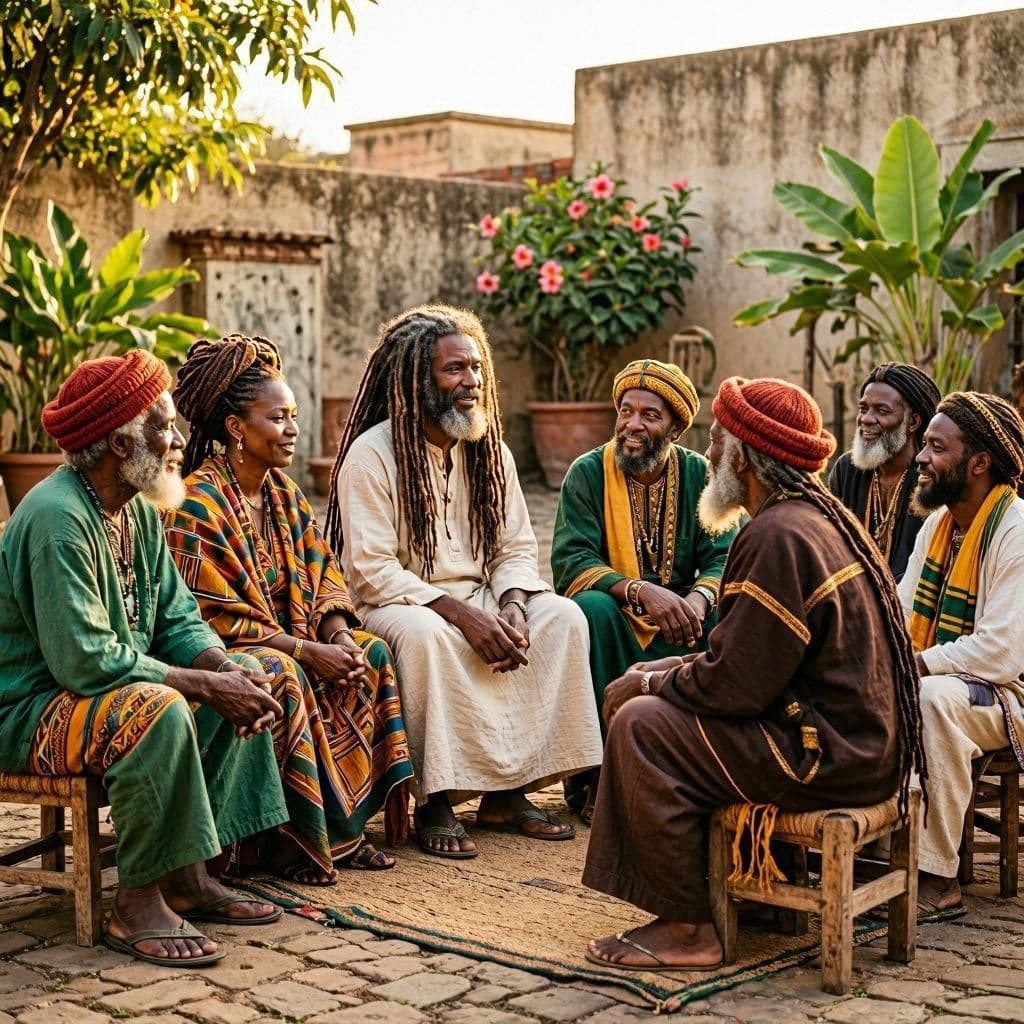
AI Image Disclaimer: Please note that any accompanying visuals for this narrative are artificially generated interpretations meant to evoke the spirit of the story, not documentary evidence.
Sources: Africanews The Star Kenya CP24
Published by Banx Network. This article is part of the Banx decentralized media programme, powered by the BXE token on the XRP Ledger.