Large national events are often envisioned as gathering places where different regions bring their traditions, achievements, and identities together. Yet participation in such initiatives can reflect broader political dynamics, especially in periods of heightened public debate. Reports that at least five states are declining participation in the proposed "Great American State Fair" have added a new chapter to ongoing discussions about politics, representation, and public events.
The fair was promoted as a large-scale celebration highlighting the culture, history, and accomplishments of states across the country. Organizers described it as an opportunity to showcase local traditions and foster national engagement.
However, several states have reportedly chosen not to participate. Officials involved in those decisions have cited a range of considerations, including logistical concerns, budget priorities, and political factors.
The development illustrates how public events can become intertwined with broader national conversations. Decisions about participation often extend beyond the event itself and may reflect local government priorities or policy positions.
Supporters of the fair argue that such gatherings can encourage civic engagement and provide educational opportunities for visitors. They view the concept as a platform for celebrating regional diversity within a national framework.
Critics contend that political associations surrounding the event may influence how it is perceived by participating states and the public. As a result, decisions regarding involvement have attracted attention beyond traditional event planning discussions.
Observers note that interstate participation in national exhibitions has historically varied depending on economic conditions, administrative resources, and political climates. The current situation reflects a continuation of that pattern.
The differing responses underscore the decentralized nature of governance in the United States. States maintain substantial discretion when determining whether to participate in federally connected or nationally promoted initiatives.
As planning continues, organizers and participating states will determine the event's final scope. Regardless of attendance levels, the discussion has highlighted the intersection of culture, politics, and public representation in contemporary America.
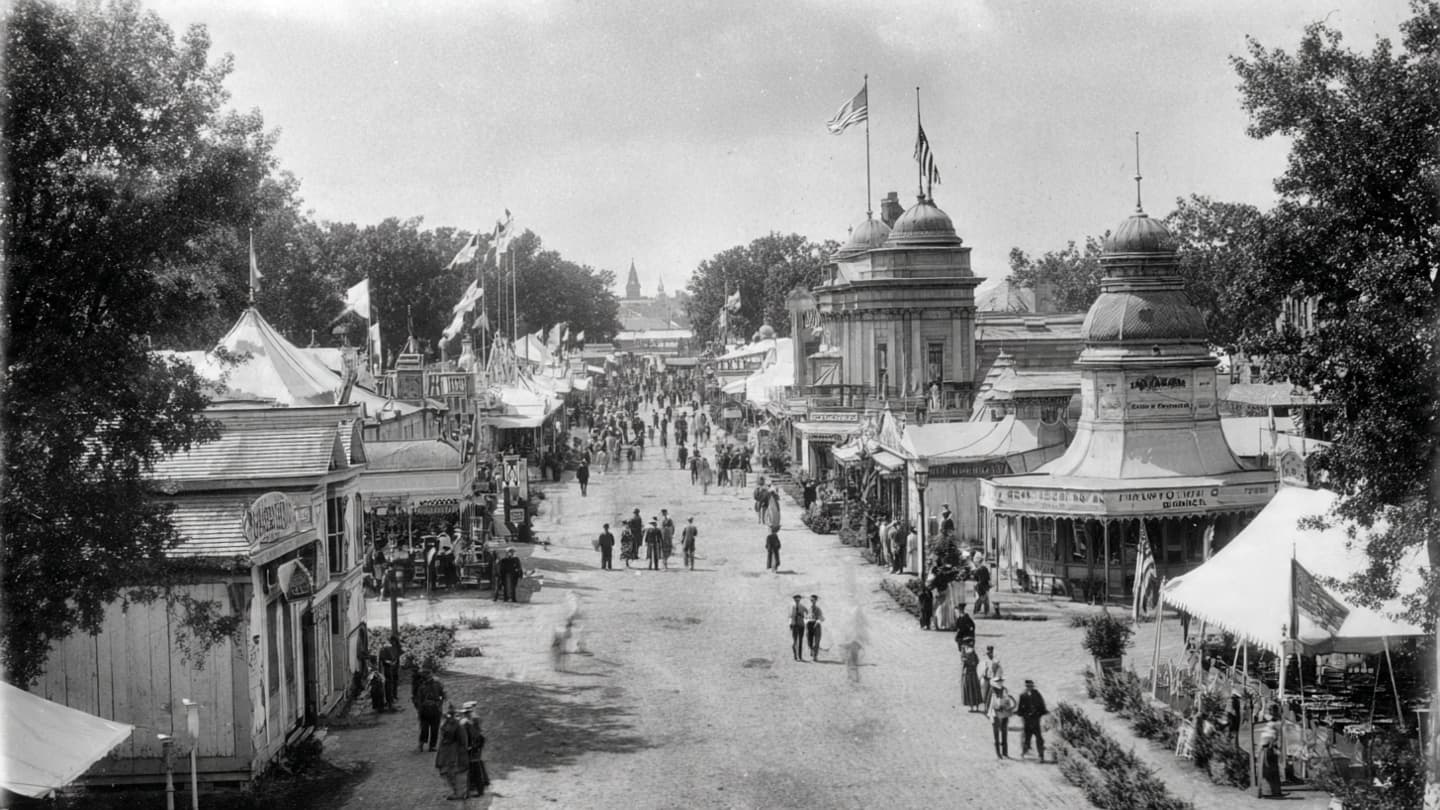
AI Image Disclaimer: Certain illustrations used with this article may be AI-generated visualizations inspired by state fairs and public events.
Sources Verification Check:
Reuters Associated Press Politico The Hill CNN
Published by Banx Network. This article is part of the Banx decentralized media programme, powered by the BXE token on the XRP Ledger.