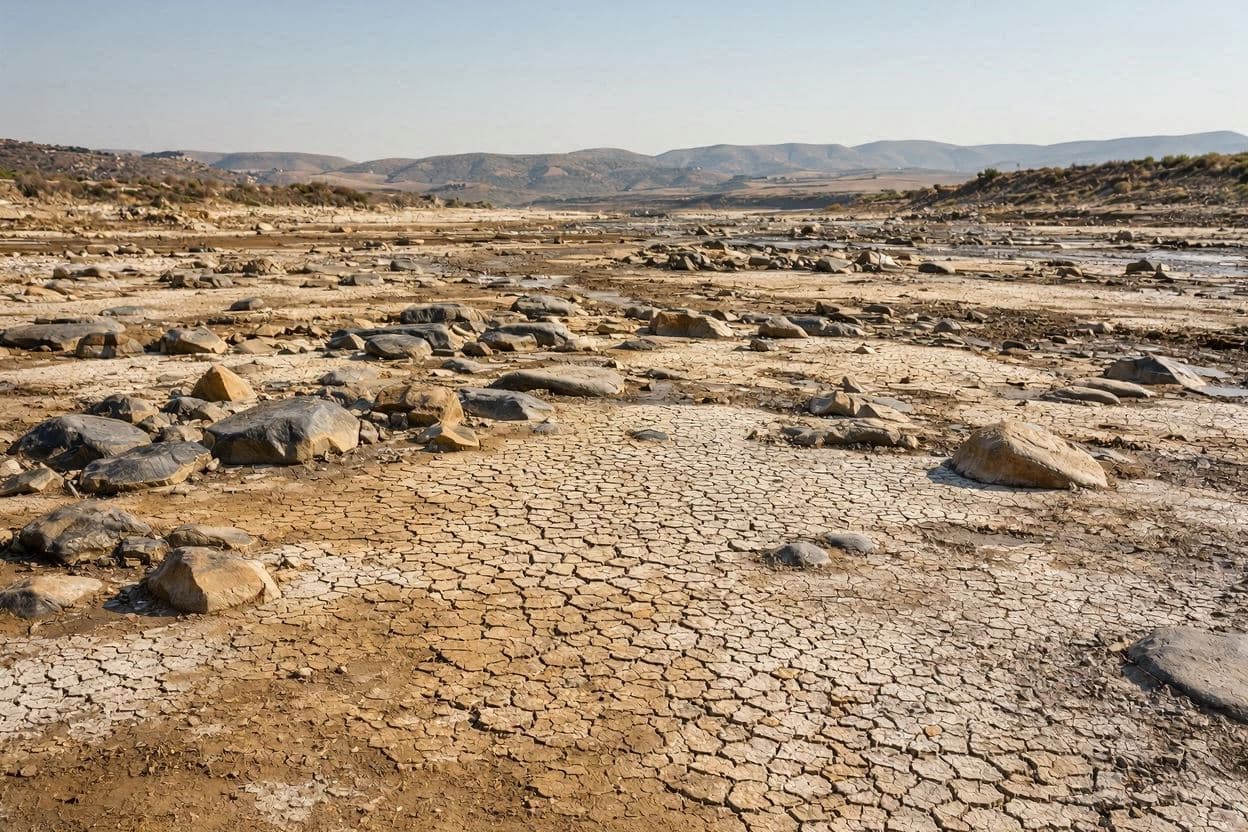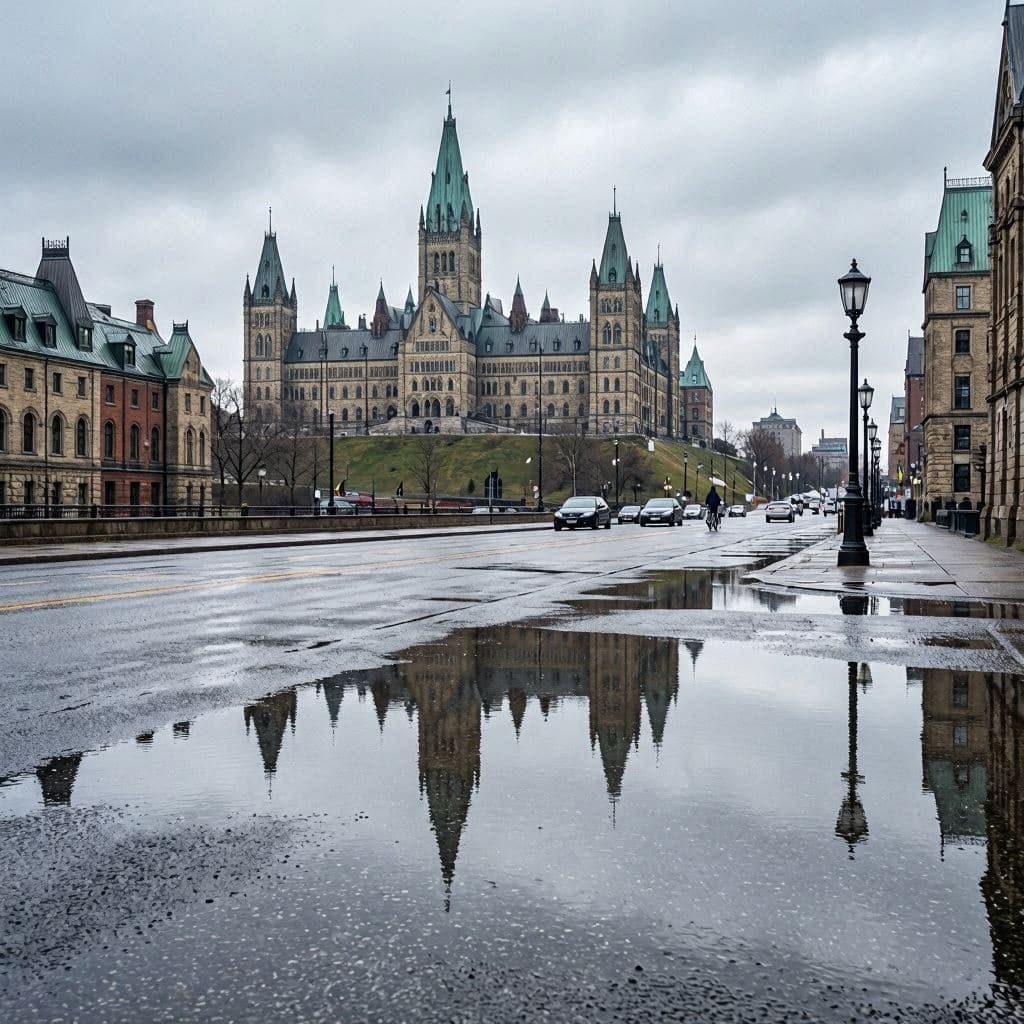
In the nation’s capital, where summer days are usually marked by warm breezes and long evenings, the sky has opened up with unprecedented intensity. July in Ottawa is shaping up to be the rainiest month on record, transforming parks into ponds and commutes into aquatic adventures. This deluge, while refreshing in its own way, brings with it a mix of inconvenience and awe, reminding residents of the powerful forces of nature that govern our climate. The sheer volume of rainfall has broken historical records, signaling a shift in weather patterns that demands attention and adaptation.
The persistent rain has become a topic of conversation in every café and office, uniting citizens in a shared experience of dampness and resilience. It is a time to appreciate the water cycle’s vitality while managing its disruptive potential.
Meteorologists from Environment and Climate Change Canada have confirmed that the accumulated rainfall for July has surpassed previous highs. The data reflects a series of intense storm systems that have stalled over the region, dumping inches of water in short periods. This pattern is consistent with broader trends of extreme weather events linked to climate change, where warmer air holds more moisture, leading to heavier downpours.
For city infrastructure, the test has been significant. Storm drains have struggled to keep pace, resulting in localized flooding in low-lying areas. Municipal crews have been working around the clock to clear debris and manage water levels, preventing more severe damage to roads and properties. Their efforts highlight the importance of robust urban planning in the face of changing climate realities.
Residents have adapted with humor and practicality, swapping sandals for boots and umbrellas for raincoats. Outdoor events have been postponed or moved indoors, altering the social calendar of the summer. Yet, there is a sense of camaraderie in sharing stories of near-misses with puddles and the joy of hearing the rain tap against the window.
The environmental impact is mixed. While the rain replenishes groundwater supplies and supports local vegetation, it also increases the risk of soil erosion and water contamination from runoff. Conservation authorities have issued warnings about river levels and advised caution near banks and trails. Nature, in its abundance, requires respect and careful navigation.
Agricultural sectors in the surrounding regions have also felt the effects. Farmers are monitoring field conditions closely, balancing the need for moisture with the risk of crop damage from waterlogging. The variability of weather poses ongoing challenges for food production, emphasizing the need for sustainable farming practices.
As the month draws to a close, the question remains whether this trend will continue. Climate models suggest that extreme precipitation events may become more frequent, requiring long-term strategies for mitigation and adaptation. Investing in green infrastructure, such as permeable pavements and rain gardens, could help manage future volumes.
For now, Ottawans are learning to live with the rhythm of the rain. It has slowed down the pace of life, encouraging introspection and indoor activities. There is a quiet beauty in the gray skies and the sound of droplets, a reminder of nature’s persistence.
Looking ahead, the city is reviewing its emergency response protocols and infrastructure upgrades. The goal is to build resilience, ensuring that Ottawa can withstand whatever the climate throws its way. Preparation is key to thriving in a changing world.
Ottawa’s record-breaking rainy July is a testament to the power of nature and the adaptability of its residents. It invites us to prepare for a future where extreme weather becomes the new normal.
AI Image Disclaimer: Images used in this report are AI-generated depictions intended to illustrate the themes of heavy rainfall and urban resilience.
Sources: Environment and Climate Change Canada CBC News Ottawa CTV News Ottawa Ottawa Citizen
Note: This article was published on BanxChange.com and is powered by the BXE Token on the XRP Ledger. For the latest articles and news, please visit BanxChange.com