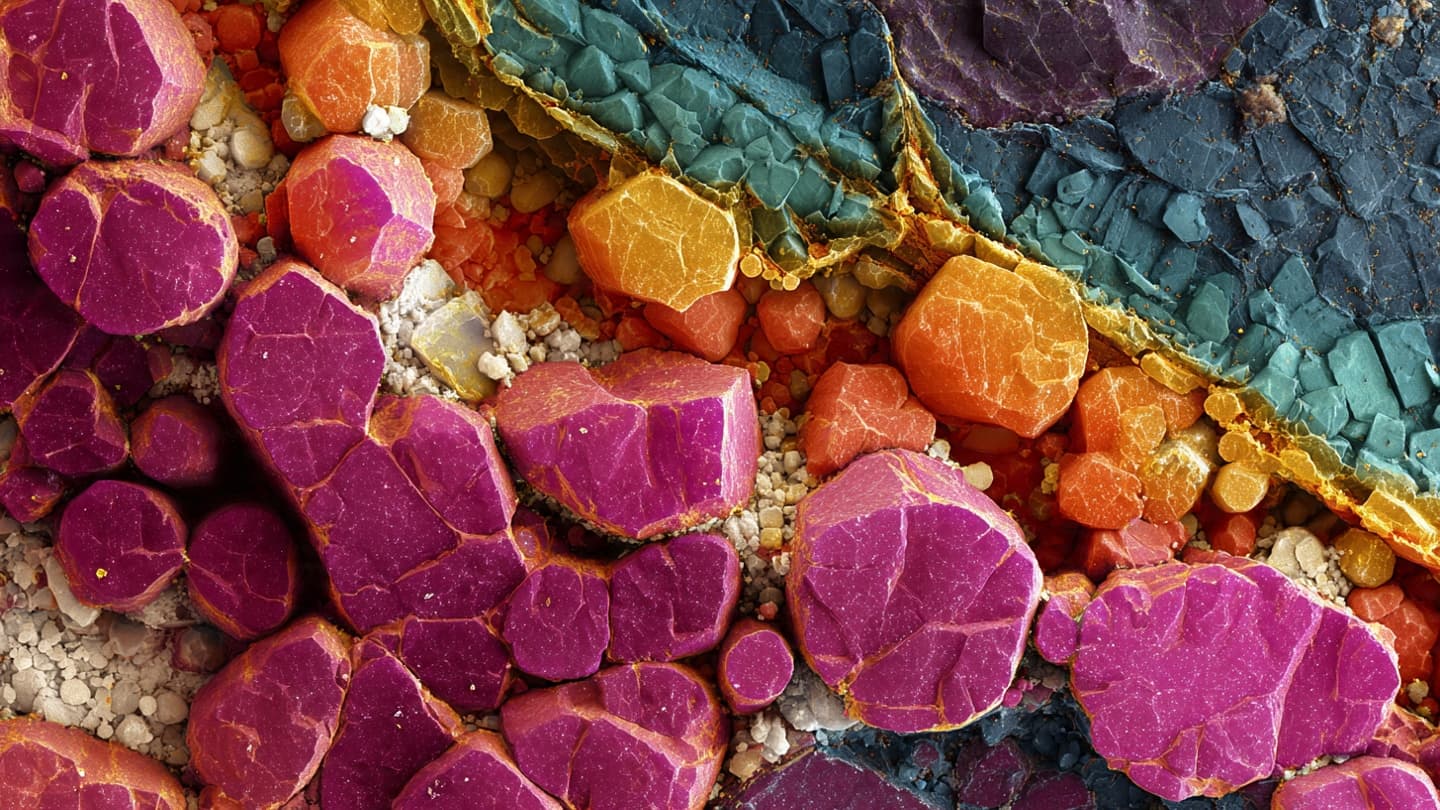
Far beneath the ocean surface, where sunlight fades into complete darkness, life has developed extraordinary ways to survive. Among the most fascinating discoveries is a species of deep-sea fish that appears to use crystalline structures to produce light.
Bioluminescence is common in deep-sea organisms, but this finding introduces a new layer of complexity in how light is generated and controlled.
Researchers suggest that specialized crystals within the fish’s body may interact with biochemical processes to enhance or direct light emission.
This adaptation could help the fish attract prey, communicate, or camouflage itself in an environment where visibility is extremely limited.
The deep ocean is a world defined by pressure, darkness, and scarcity, forcing organisms to evolve highly specialized survival strategies.
Scientists studying marine biology emphasize that such discoveries highlight how much of ocean life remains unexplored, especially in regions beyond the reach of traditional observation.
Advanced imaging technologies and deep-sea exploration vehicles have made it possible to observe behaviors that were once entirely unknown.
Each discovery adds to the understanding that light in the deep sea is not merely a chemical reaction, but sometimes a structured biological system.
As research continues, the deep ocean remains one of Earth’s most mysterious frontiers, where even light itself can be shaped by biology.
AI Image Disclaimer: All visuals are AI-generated conceptual representations created for scientific storytelling purposes.
Sources (source verification check): Woods Hole Oceanographic Institution, Nature Marine Biology, National Geographic, Science Advances
Published by Banx Network. This article is part of the Banx decentralized media programme, powered by the BXE token on the XRP Ledger.