The oceans connect continents, regulate climate, and sustain countless forms of life. Beneath their vast surfaces lies a microscopic world that often escapes public attention. Recent scientific findings have revealed that genes associated with antibiotic resistance are present throughout the world's oceans, highlighting a challenge that extends far beyond hospitals and clinics.
Antibiotic resistance occurs when bacteria evolve mechanisms that reduce the effectiveness of medicines designed to eliminate them. Health experts consider antimicrobial resistance one of the most significant public health concerns of the modern era, affecting treatment outcomes and healthcare systems worldwide.
The new research suggests that resistance-related genes are widely distributed across marine environments. Scientists analyzed samples collected from different regions and identified genetic material linked to bacterial resistance mechanisms. The findings illustrate how interconnected ecosystems can facilitate the movement of microorganisms and genetic traits.
Researchers stress that the presence of resistance genes does not necessarily indicate immediate health risks in every location. However, understanding their distribution is important because environmental reservoirs can contribute to the broader spread of antimicrobial resistance over time.
Human activity plays a role in this process. Wastewater discharge, agricultural runoff, industrial activity, and pharmaceutical residues can introduce substances into aquatic environments. These factors may influence microbial communities and create conditions that encourage resistance development.
The study underscores the importance of viewing antimicrobial resistance as both a medical and environmental issue. Effective responses require cooperation among healthcare professionals, environmental scientists, policymakers, and industry stakeholders.
International organizations have increasingly promoted a "One Health" approach, recognizing the connections between human health, animal health, and environmental conditions. This framework encourages coordinated efforts to address complex challenges that cross traditional disciplinary boundaries.
Marine ecosystems themselves remain essential to global well-being. They support fisheries, biodiversity, climate regulation, and economic activity. Understanding how resistance genes move through these environments can help inform future monitoring and management strategies.
As scientific research continues, experts emphasize the value of prevention, responsible antibiotic use, and environmental stewardship. The findings serve as a reminder that public health challenges often extend beyond visible boundaries, linking communities and ecosystems across the globe.
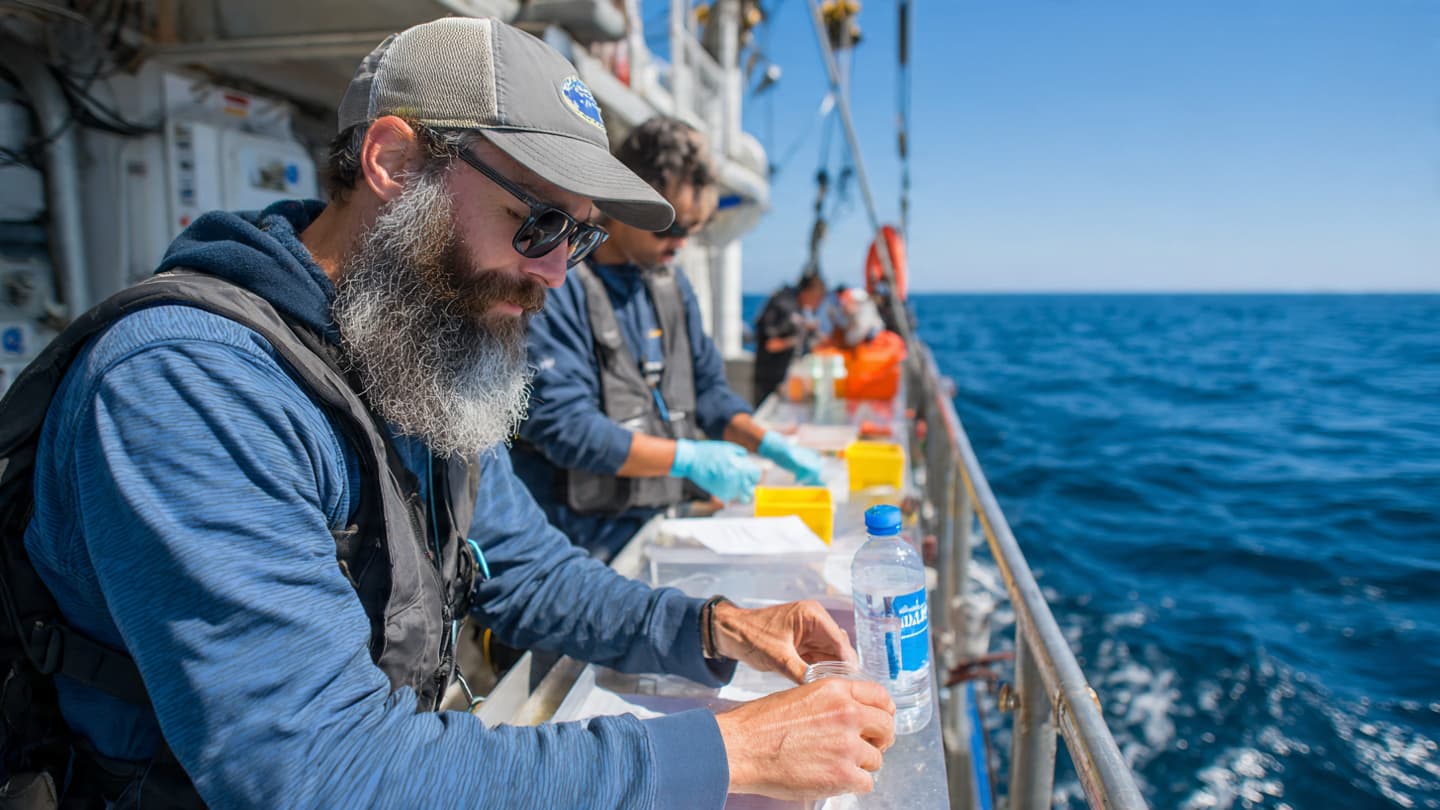
AI Image Disclaimer: This article includes an AI-generated illustration designed to depict scientific research and marine environmental themes.
Sources Verified Reuters, World Health Organization, Nature, Science Magazine, United Nations Environment Programme
Published by Banx Network. This article is part of the Banx decentralized media programme, powered by the BXE token on the XRP Ledger.