Air travel is a shared experience, a temporary community formed within the metal tube of an aircraft, where patience and cooperation are the unspoken rules. Yet, these rules can be tested by the unpredictable nature of childhood. Recently, a Porter Airlines flight from Victoria to Toronto was canceled after a young child refused to sit down and fasten their seatbelt before takeoff. The incident, which led to the removal of the family and the cancellation of the journey for all passengers, invites reflection on the balance between safety regulations and empathy. It is a moment that highlights the challenges of traveling with young children and the strict protocols that govern the skies.
The flight, designated as PD444, was preparing for departure when crew members noticed a toddler standing on their seat. Despite repeated requests from the flight attendants and the parents’ efforts to secure the child, the toddler remained unbuckled. Aviation safety regulations are clear: all passengers must be properly seated with seatbelts fastened during takeoff and landing. The crew, prioritizing the safety of everyone on board, made the difficult decision to cancel the flight.
For the other passengers, the cancellation was a significant inconvenience. Many had connecting flights or important engagements in Toronto. The delay meant rearranging travel plans and dealing with the frustration of unexpected disruptions. While some expressed understanding of the safety concerns, others voiced their disappointment at the outcome. The situation underscored the ripple effect of individual actions in a shared space.
The family involved faced a stressful ordeal. Traveling with toddlers is inherently challenging, and public scrutiny can add to the pressure. Witnesses reported that the parents were trying to manage the situation, but the child’s resistance was firm. The decision to remove them from the flight was not taken lightly, but it was deemed necessary to ensure compliance with safety standards. Safety is non-negotiable in aviation.
Porter Airlines issued a statement emphasizing their commitment to safety. They explained that the crew followed standard procedures to address the unsafe condition. The airline also offered assistance to affected passengers, including rebooking options and compensation where applicable. Their response aimed to balance regulatory requirements with customer care. Transparency helps maintain trust.
This incident has sparked a broader conversation about how airlines handle such situations. Some argue for more flexibility or dedicated family zones, while others support strict enforcement to prevent delays and risks. The debate reflects the diverse expectations of modern travelers. Finding a middle ground is complex but essential for a harmonious travel experience.
A Porter Airlines flight was canceled after a toddler refused to fasten their seatbelt, citing safety regulations. The family was removed, and passengers were rebooked. The incident highlights the importance of safety compliance and the challenges of air travel with young children.
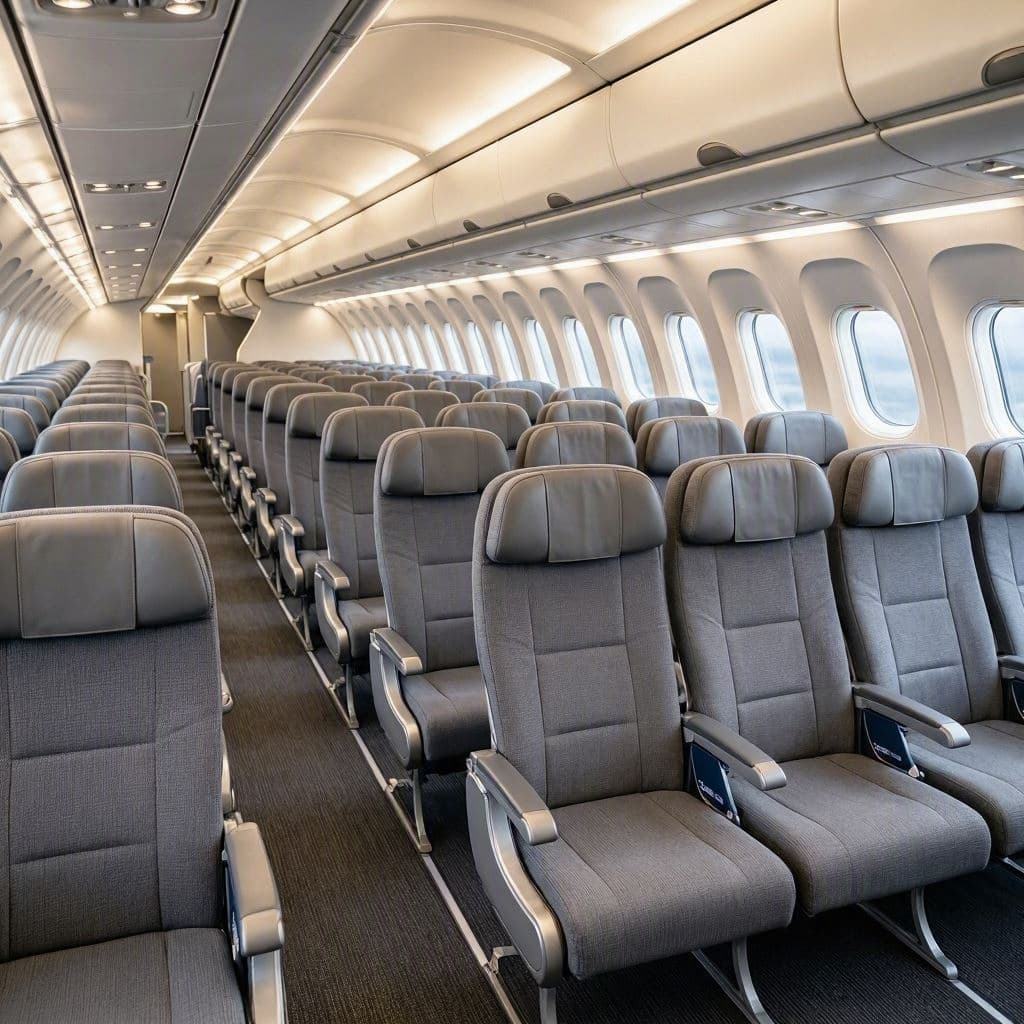
AI Image Disclaimer: The visual elements accompanying this report are AI-generated interpretations designed to reflect the travel and safety context of the story.
Sources: CBC News Global News New York Times
Note: This article was published on BanxChange.com and is powered by the BXE Token on the XRP Ledger. For the latest articles and news, please visit BanxChange.com