
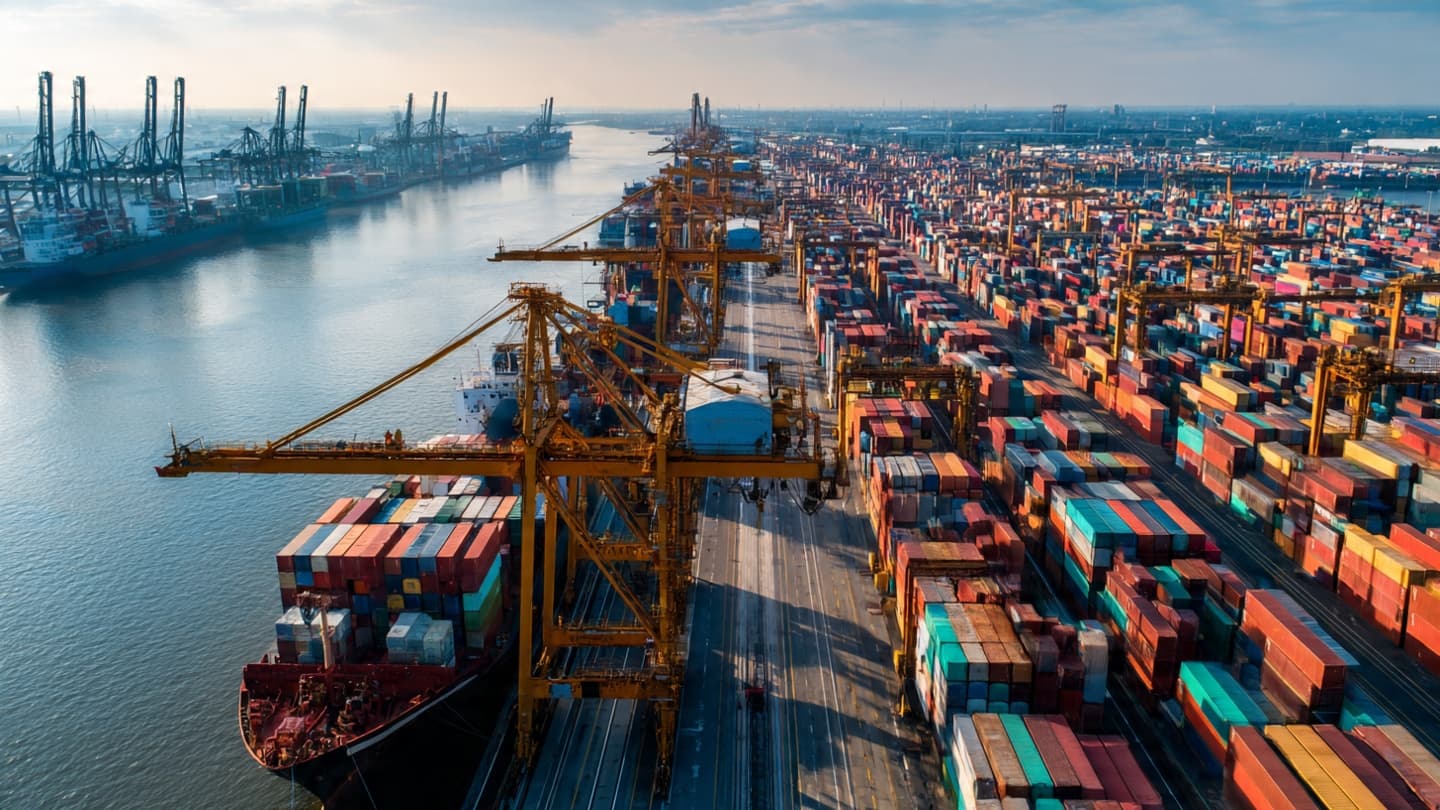
There are moments in history when distant places suddenly become the center of global attention. A quiet harbor, usually defined by the movement of ships and commerce, can unexpectedly find itself linked to larger events shaping international affairs. Such was the case when reports emerged that a Ukrainian drone strike targeted infrastructure near a Russian port facility, bringing renewed focus to the evolving dynamics of the war between the two countries.
According to reports from international news organizations, the attack involved drones striking facilities associated with maritime operations near the port area of Temryuk in southern Russia. Russian authorities reported that the incident triggered a fire and resulted in casualties, prompting emergency services to respond quickly. The event became one of the latest examples of how the conflict continues to extend beyond traditional battlefield zones.
Since the beginning of the war, drones have transformed from supporting technology into one of the most significant tools used by both sides. Their ability to travel long distances and reach strategic locations has changed how military operations are planned and executed. What once required large-scale deployments can now sometimes be attempted through smaller, highly targeted aerial systems.
For Ukraine, long-range drone operations are often viewed as a way to challenge logistical networks and infrastructure that may support military activities. By targeting facilities connected to transportation or supply routes, such operations seek to place pressure on strategic resources while avoiding direct ground confrontations.
Russian authorities, meanwhile, have continued expanding security measures around critical infrastructure. Ports, energy facilities, transportation hubs, and industrial sites have increasingly become areas of heightened surveillance and defense. Air defense systems have been strengthened in several regions as officials seek to respond to the growing frequency of drone-related incidents.
The significance of maritime infrastructure extends beyond military considerations. Ports serve as gateways for trade, energy distribution, and regional economic activity. Even temporary disruptions can attract attention from governments, businesses, and international observers who monitor developments that could affect broader economic conditions.
Across Europe and other parts of the world, policymakers continue watching the conflict closely. Each new incident contributes to ongoing discussions about regional security, energy stability, and the future trajectory of the war. The use of drones has become one of the defining features of these conversations, reflecting larger shifts in modern military strategy.
Military experts frequently note that drone technology has lowered barriers to conducting operations over considerable distances. As capabilities improve, conflicts increasingly involve actions taking place far from active front lines. This trend has reshaped how nations think about defense, infrastructure protection, and strategic planning.
Investigations into the reported attack are continuing as authorities assess the extent of the damage and its wider implications. While the long-term effects remain to be determined, the incident illustrates how modern warfare continues to evolve through technology and adaptability. For now, the strike stands as another reminder that the conflict remains active and capable of affecting locations far beyond the areas traditionally associated with combat.
AI Image Disclaimer The illustration accompanying this article is AI-generated and intended solely for visual representation of the reported event.
Sources Reuters, Associated Press, BBC News, Al Jazeera
Note: This article was published on BanxChange.com and is powered by the BXE Token on the XRP Ledger. For the latest articles and news, please visit BanxChange.com