
The story of humanity has always been one of growth. Cities have expanded, technologies have advanced, and societies have become increasingly interconnected. Yet alongside these achievements, scientists continue to ask an important question: how can the world's resources support a growing global population while maintaining environmental balance?
Recent research has renewed discussions about the relationship between population growth, natural resources, and sustainability. The study suggests that increasing demands for food, water, energy, and land require careful long-term planning to ensure that ecosystems remain healthy and productive.
Agriculture represents one of the most visible examples of this challenge. Feeding billions of people requires extensive farming, irrigation, and transportation networks. Advances in agricultural technology have improved productivity, but resource management remains an important consideration for future food security.
Fresh water availability is another major concern. Population growth and urban development increase demand for clean water, while changing climate patterns can influence rainfall and water supplies. Many regions are investing in conservation and improved infrastructure to address these needs.
Energy consumption continues to rise alongside economic development. Governments and industries are exploring renewable energy sources and efficiency improvements to support growing populations while reducing environmental impacts.
Urbanization also plays a significant role. More people are living in cities than ever before, creating opportunities for innovation while increasing the need for housing, transportation, healthcare, and public services. Sustainable urban planning has become an important policy objective in many countries.
Researchers emphasize that population trends vary considerably between regions. Some countries are experiencing rapid growth, while others face aging populations and slower demographic expansion. These differences require tailored approaches rather than universal solutions.
Many experts believe technological innovation can help address resource challenges. Improvements in agriculture, water management, renewable energy, and waste reduction may increase efficiency and support sustainable development goals over the coming decades.
The conversation surrounding global population is ultimately about balance rather than simple numbers. By combining scientific research, responsible resource management, and international cooperation, societies may find ways to support both human well-being and the natural systems upon which life depends.
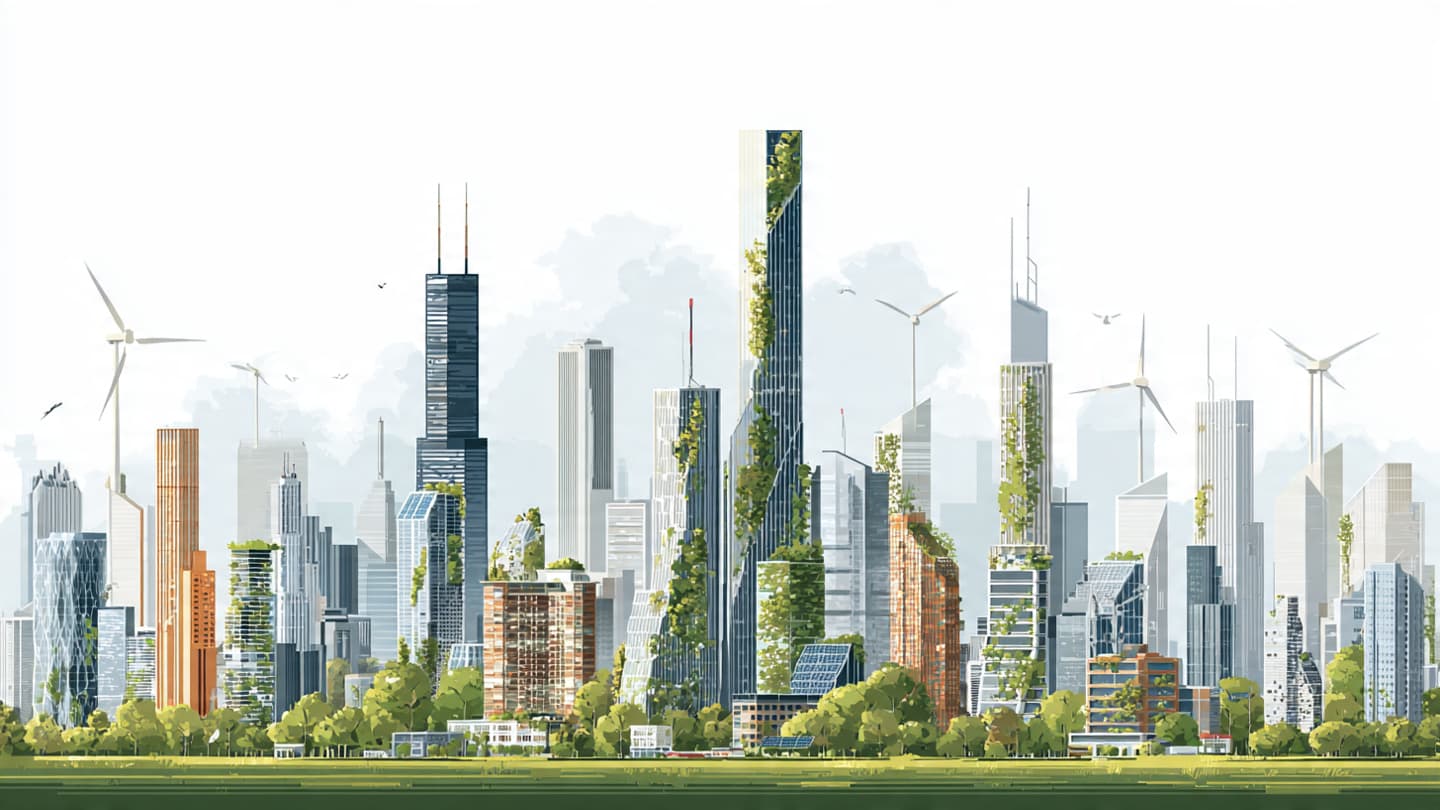
AI Image Disclaimer: The illustrations used with this article are AI-generated for editorial and educational purposes.
Sources Verified: Flinders University, United Nations, Reuters, World Bank, Associated Press
Note: This article was published on BanxChange.com and is powered by the BXE Token on the XRP Ledger. For the latest articles and news, please visit BanxChange.com