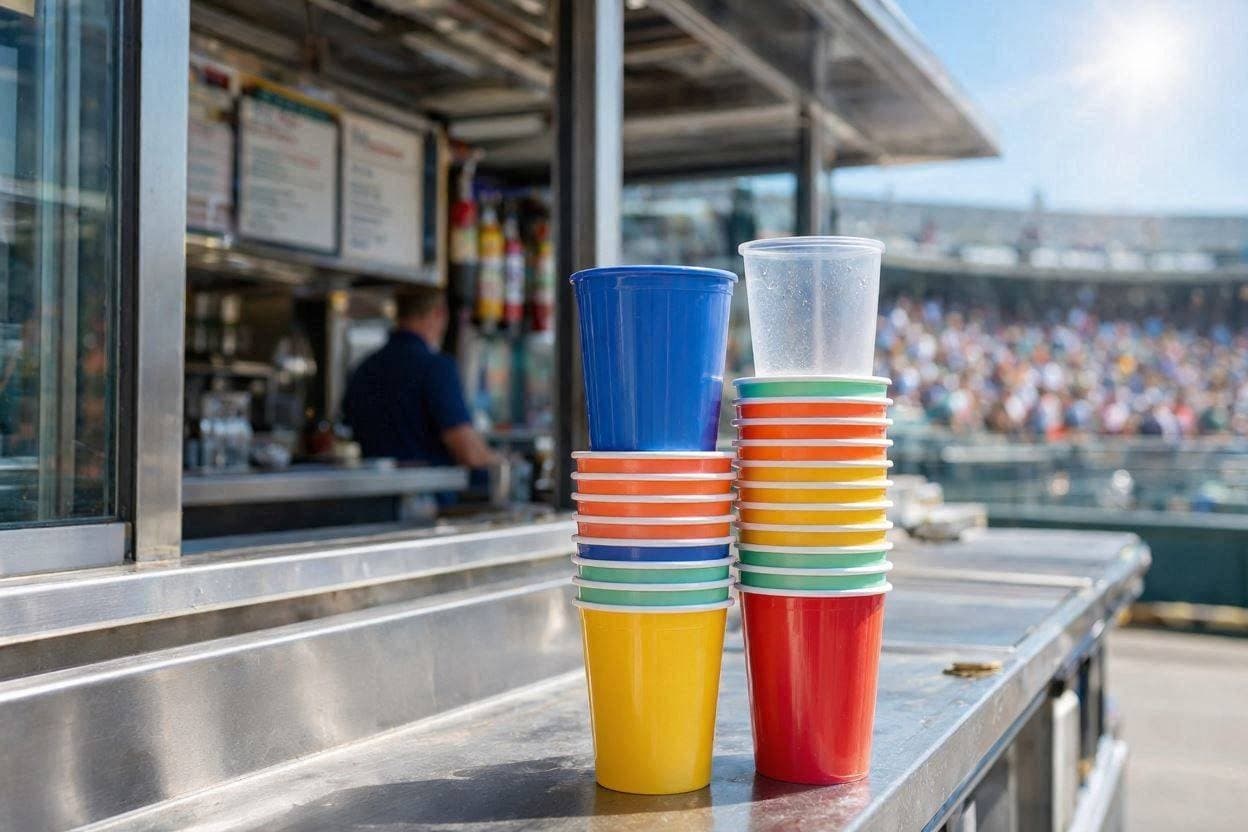
In the sun-drenched state of Queensland, where the spirit of sport runs deep and the coastline stretches endlessly, a quiet revolution is brewing in preparation for the 2032 Olympic and Paralympic Games. It is not just about building stadiums or training athletes, but about reimagining how millions of visitors will consume and dispose of everyday items. At the heart of this initiative is a bold plan to eliminate up to 12 million single-use plastic cups from landfills annually, replacing them with a sustainable, reusable system that could set a new global standard for major events.
This ambitious goal reflects a growing awareness that legacy is not only measured in medals won but in the environmental footprint left behind. As Brisbane prepares to welcome the world, it seeks to demonstrate that large-scale hospitality and ecological responsibility can coexist harmoniously.
Body: The proposal, highlighted in recent reports by sustainability experts and local media, suggests that implementing a robust reusable cup scheme at sporting venues and event precincts could drastically reduce waste. With millions of spectators expected to attend games and related festivities over the coming years, the volume of disposable plastics generated would otherwise be staggering. By shifting to a circular model, where cups are collected, washed, and reused, the organizers aim to turn a potential environmental hazard into a showcase of innovation.
The logistics of such a plan are complex, requiring coordination between venue operators, cleaning services, and technology providers. Digital tracking systems may be employed to ensure cups are returned and accounted for, minimizing loss and ensuring hygiene standards are met. While the initial investment in infrastructure is significant, the long-term savings in waste management and the positive environmental impact are considered well worth the effort.
This initiative aligns with the broader commitment of the Brisbane 2032 Games to be "Climate Positive," a first for the Olympics. The International Olympic Committee’s New Norm encourages hosts to minimize waste and maximize sustainability, and Queensland is taking this mandate seriously. The reusable cup plan is just one piece of a larger puzzle that includes renewable energy, sustainable transport, and green building practices.
Critics might argue that changing consumer behavior is difficult, especially in the high-energy atmosphere of a sporting event. However, early trials at other Australian venues have shown promising results, with high return rates and positive feedback from patrons who appreciate the convenience and eco-friendly nature of the system. Education campaigns will play a crucial role in ensuring widespread adoption and understanding.
The economic benefits are also noteworthy. By reducing the need for constant procurement of single-use items, venues can lower operational costs. Additionally, the creation of jobs in logistics, cleaning, and technology support contributes to the local economy, reinforcing the idea that sustainability can drive economic growth.
For the community, the plan offers a sense of pride and ownership. Residents are increasingly conscious of their environmental impact, and seeing their city lead the way in sustainable practices fosters a deeper connection to the Games. It transforms the event from a mere spectacle into a shared mission for a better future.
As the countdown to 2032 continues, every decision made today will shape the legacy of tomorrow. The reusable cup initiative is a tangible example of how small changes, when scaled up, can have a profound effect. It invites everyone involved—from organizers to spectators—to participate in a cleaner, greener celebration of human achievement.
Closing: The bold plan to replace 12 million plastic cups with reusable alternatives ahead of the Brisbane 2032 Olympics is a testament to the power of forward-thinking leadership. It promises a Games that are not only memorable for their athletic feats but also for their respect for the planet.
AI Image Disclaimer: The illustrations accompanying this article are AI-generated visuals created to reflect the themes of sustainability and sporting events.
Sources: News.com.au Olympics.com Queensland Government MDPI Sustainability Journal
Note: This article was published on BanxChange.com and is powered by the BXE Token on the XRP Ledger. For the latest articles and news, please visit BanxChange.com