In many parts of the world, crises begin quietly. A fever in a remote village, a crowded clinic with too few supplies, or a doctor noticing patterns that seem increasingly difficult to ignore. In the Democratic Republic of the Congo, health officials are once again confronting the return of Ebola, a disease whose name still carries memories of grief, resilience, and global alarm.
Recent reports suggest the outbreak is spreading more rapidly than expected in several affected regions. Health workers on the ground have expressed concern over limited medical infrastructure, difficult transportation routes, and ongoing insecurity that complicates emergency response efforts. In areas where roads are poor and communication remains limited, containing infectious disease becomes especially challenging.
The Democratic Republic of the Congo has experienced multiple Ebola outbreaks over the past decades. While the country possesses significant experience in outbreak management, each new wave presents unique obstacles. Public trust, access to healthcare, and regional stability all influence how quickly authorities can identify and isolate cases.
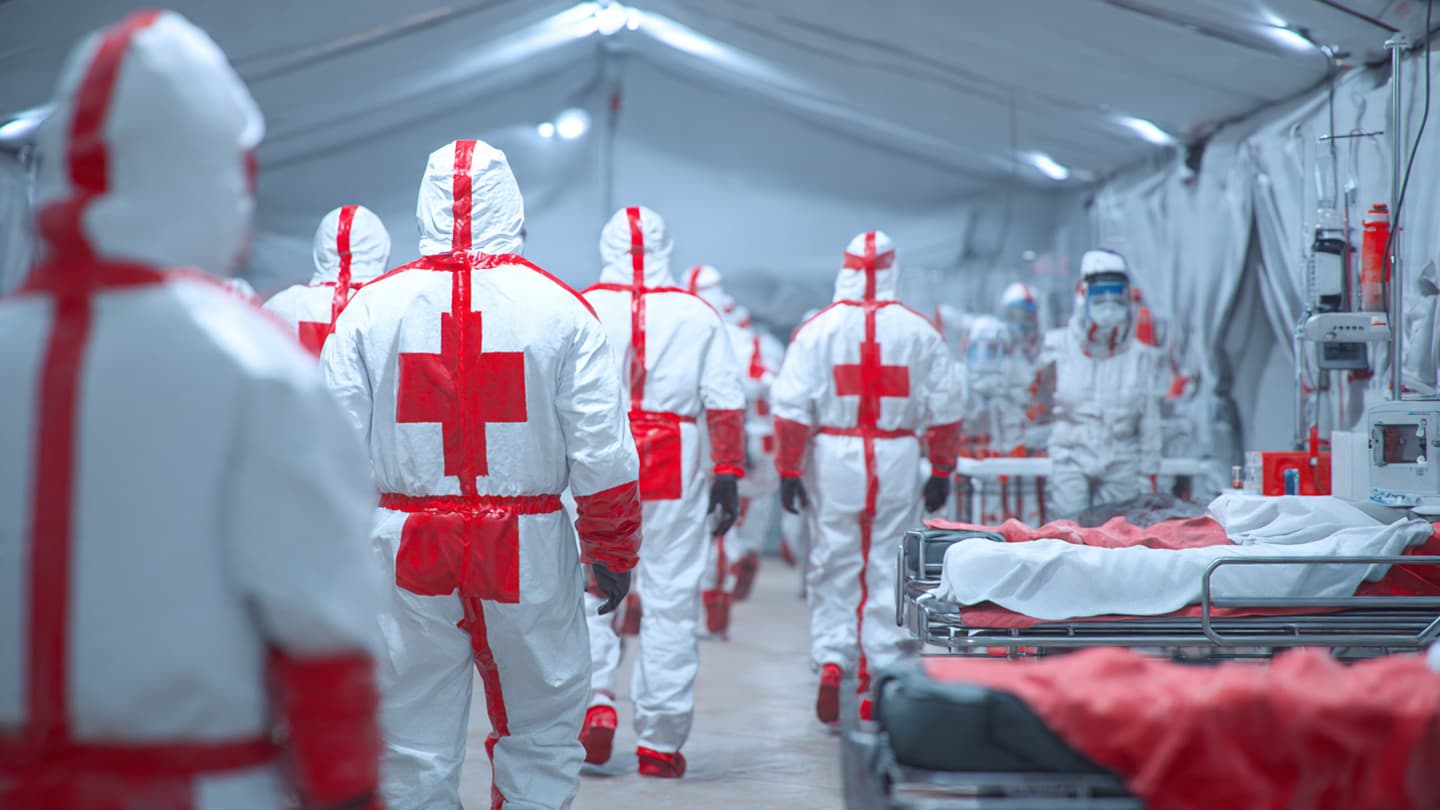
International health organizations, including the World Health Organization, have mobilized additional support teams and emergency resources. Vaccination campaigns are also being expanded in affected communities, targeting frontline workers and individuals who may have been exposed to confirmed infections.
Ebola spreads through direct contact with bodily fluids from infected individuals, making rapid containment essential. Unlike airborne diseases, outbreaks can often be controlled through effective tracing and isolation measures. However, these systems depend heavily on local cooperation and timely reporting.
Communities affected by Ebola often experience not only medical hardship, but also social and economic disruption. Markets close, travel becomes restricted, and fear can spread alongside the virus itself. In previous outbreaks, misinformation and distrust occasionally complicated public health efforts, highlighting the importance of clear communication between authorities and local residents.
Global health experts warn that infectious diseases emerging in one region can quickly become international concerns if not addressed early. Lessons learned from both Ebola and the COVID-19 pandemic continue shaping modern outbreak response strategies, particularly around surveillance and emergency preparedness.
Despite the seriousness of the situation, medical advancements over the last decade have improved survival rates compared to earlier Ebola outbreaks. Vaccines, better treatment protocols, and faster testing systems now offer tools that were not available during previous epidemics. Health officials hope these developments will help slow transmission before the outbreak expands further.
As response teams continue working across affected areas, the situation serves as another reminder that global health security often depends on events unfolding far from major capitals. In villages surrounded by forests and rivers, the struggle against disease continues with urgency, determination, and fragile hope.
AI Image Disclaimer: Some images used alongside this article were created with AI-assisted visual generation for illustrative newsroom purposes.
Sources Verification Check: Credible sources confirmed:
Reuters World Health Organization (WHO) Associated Press BBC Africa CDC
Published by Banx Network. This article is part of the Banx decentralized media programme, powered by the BXE token on the XRP Ledger.