In many parts of the world, airports have become symbols of movement, ambition, and connection. Yet history has often shown that invisible threats travel just as quietly as people do. This week, the World Health Organization declared the latest Ebola outbreak a global health emergency, reviving memories of previous international crises that once altered the rhythm of daily life across continents.
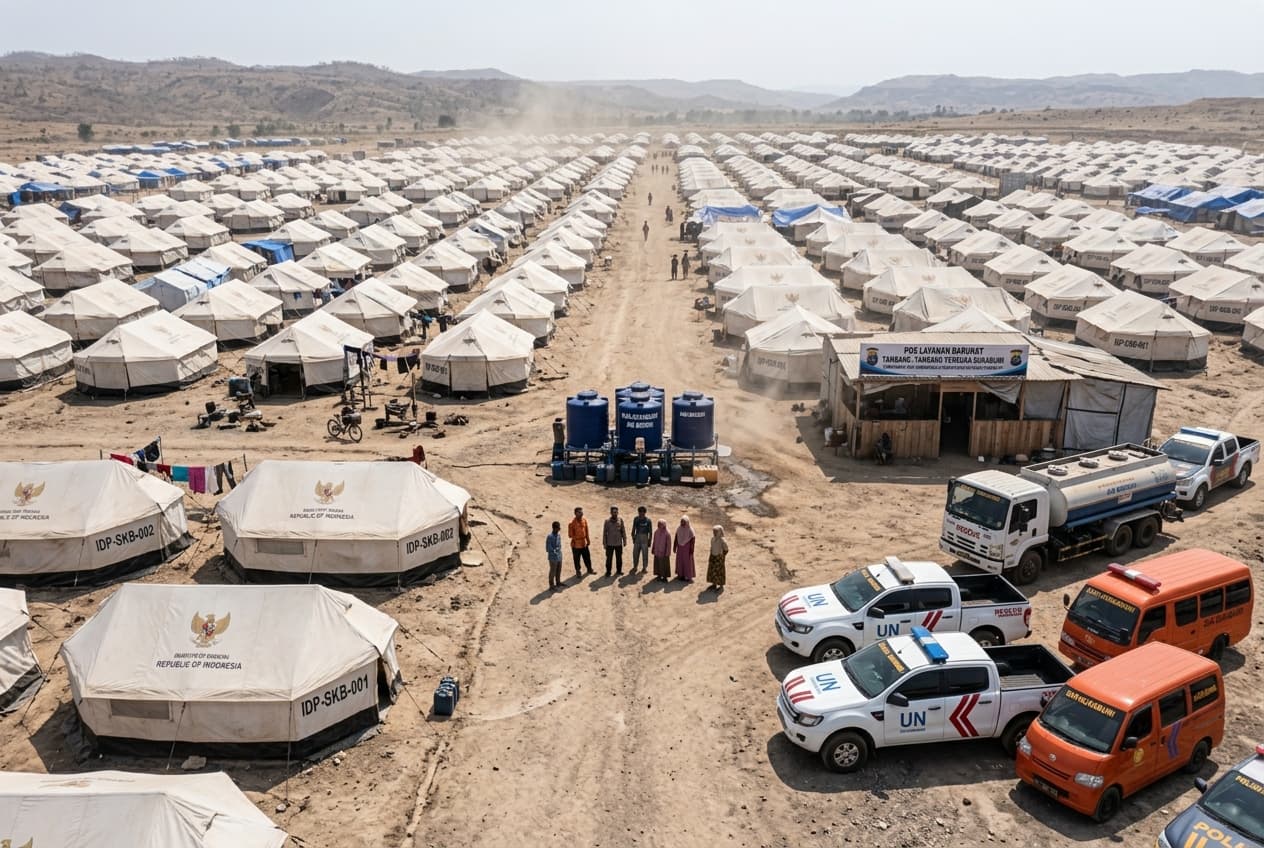
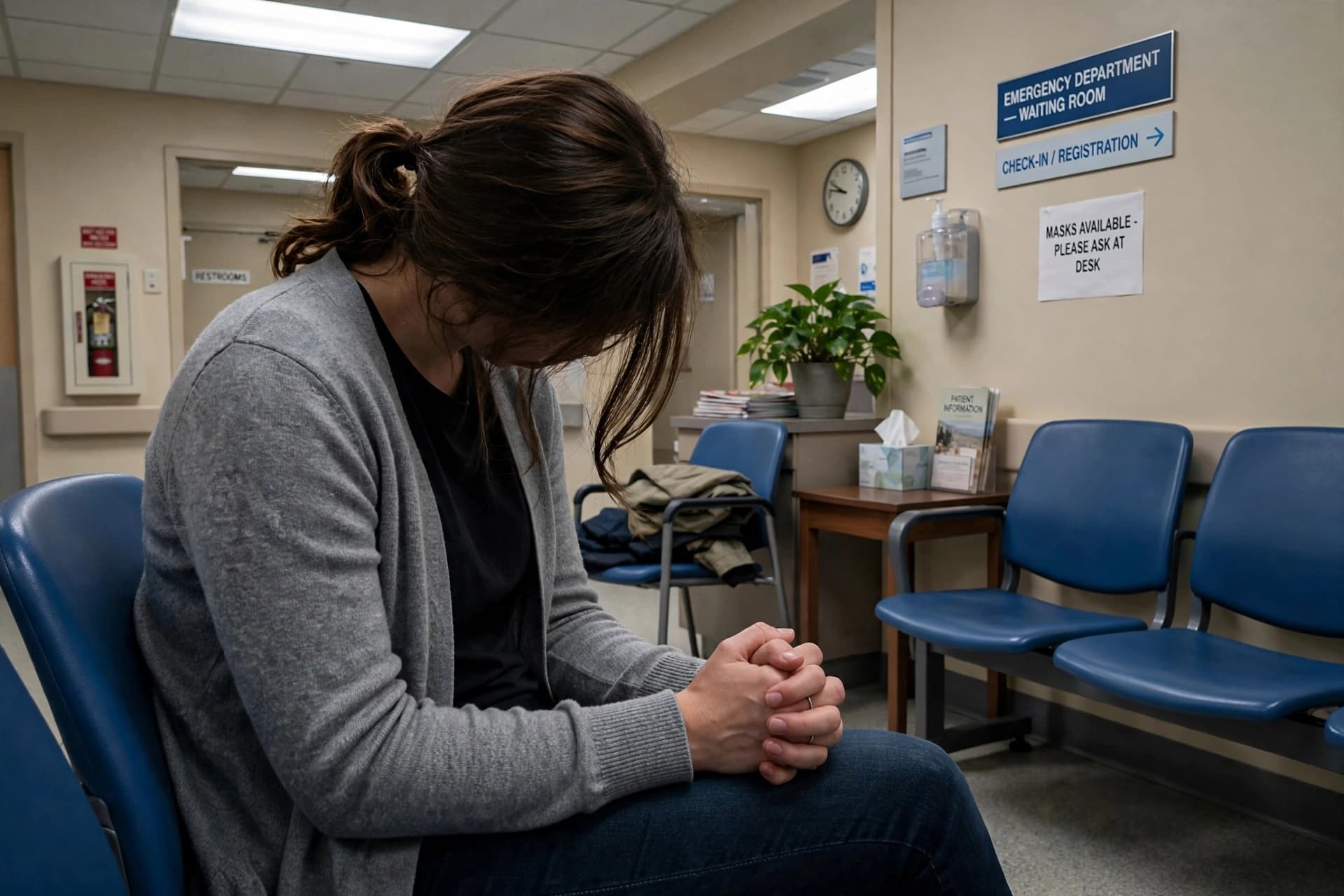
The announcement came after health authorities observed a rapid increase in infections in several regions of Central Africa. Medical teams on the ground reported mounting pressure on local clinics, where resources remain limited and healthcare workers continue to face difficult conditions. While Ebola outbreaks are not new, experts say the current spread carries renewed concern because of cross-border mobility and fragile healthcare systems in affected areas.
The World Health Organization emphasized that the declaration is intended to strengthen coordination among nations rather than create panic. Public health officials noted that emergency status allows faster funding, expanded vaccine distribution, and broader international cooperation. In recent years, global health agencies have learned that early intervention often determines whether outbreaks remain local or become international emergencies.
Scientists continue to study the transmission patterns behind the outbreak. Ebola spreads through direct contact with bodily fluids, making containment dependent on quick isolation measures and community awareness. Researchers say the challenge is not only medical but also social, as misinformation and distrust can slow emergency responses in vulnerable communities.
Several neighboring countries have already increased airport screenings and emergency preparedness measures. International aid organizations are deploying additional staff and supplies to affected areas, while regional governments are urging citizens to follow official health guidance. Public messaging has focused on caution and education rather than fear.
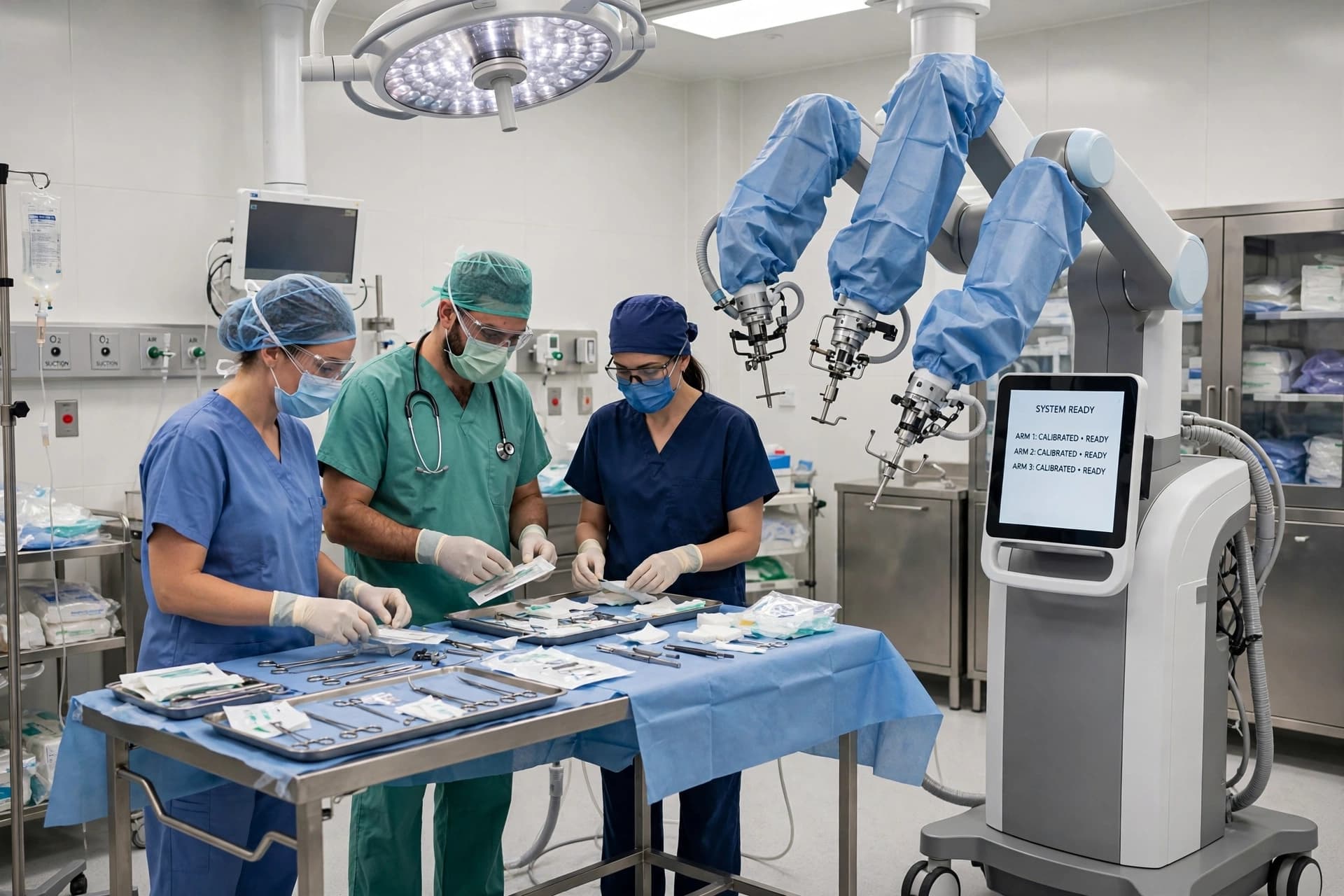
The declaration has also reopened conversations about the uneven distribution of healthcare infrastructure worldwide. In wealthier nations, advanced laboratories and medical systems can respond rapidly to outbreaks. In poorer regions, however, delayed access to treatment and shortages of protective equipment often leave communities exposed during critical early stages.
Medical experts say vaccines developed in recent years offer hope that outbreaks can be controlled more effectively than in the past. Some vaccination campaigns are already underway near high-risk areas, targeting frontline workers and close contacts of confirmed patients. While challenges remain, health officials describe scientific progress as one of the strongest tools available today.
Global markets and travel industries are watching the situation carefully, although analysts say there is currently no indication of widespread international disruption. Governments continue to stress that preparedness and transparency remain essential to preventing unnecessary panic while maintaining public confidence.
For now, international attention has returned to a disease that has repeatedly tested global solidarity. The coming weeks are expected to determine whether coordinated action can slow the outbreak before it expands further beyond regional borders.
AI Image Disclaimer: Some accompanying visuals for this article were created using AI-generated imagery for illustrative purposes only.
Sources Verified: WHO, Reuters, Associated Press, Global News, BBC News
Published by Banx Network. This article is part of the Banx decentralized media programme, powered by the BXE token on the XRP Ledger.