Every mission has its season, and some companions leave a lasting imprint on both science and imagination. NASA’s Mars orbiter, which has faithfully circled the Red Planet for nearly two decades, now completes its final orbit. Its departure is both a conclusion and a quiet celebration of enduring curiosity.
Launched in the early 2000s, the Mars orbiter has been a workhorse for planetary science, transmitting thousands of images and invaluable data that have shaped our understanding of Mars’ geology, atmosphere, and potential for past life. Its instruments, though aging, continued to provide detailed observations, revealing patterns in dust storms, seasonal changes, and surface transformations.
Over the years, the orbiter became more than a satellite; it was a bridge connecting scientists and the public to the Red Planet. Each transmission, whether a high-resolution photo or atmospheric reading, reminded humanity of our ambition to explore worlds beyond our own. Researchers and educators alike relied on its findings to inspire new generations of planetary scientists.
NASA officials have noted that the decision to retire the spacecraft was both planned and inevitable. Fuel reserves have dwindled, and the orbital systems that once maintained precision around Mars have reached the limits of their operational lifespan. Rather than risking uncontrolled descent, engineers orchestrated a final mission trajectory to ensure a safe conclusion.
The orbiter’s contributions extend beyond raw data. Its long-term monitoring allowed comparison with newer missions, including rovers and landers, giving context to localized discoveries. Scientists can now trace atmospheric shifts over nearly two decades, offering insights that will continue to inform Mars research for years to come.
Public engagement has also been a hallmark of the mission. Images of Martian canyons, craters, and dust storms captured imaginations worldwide, fostering educational initiatives and citizen-science projects. The orbiter’s legacy includes both scientific milestones and a shared sense of wonder at the Red Planet.
As the final communications were transmitted and the orbiter’s instruments powered down, NASA acknowledged the team’s dedication and the spacecraft’s enduring impact. The farewell is marked by reflection rather than loss, emphasizing a continuum of exploration that will carry forward through newer missions.
Looking ahead, NASA’s growing fleet of Mars orbiters and rovers continues to build on the foundation laid by this veteran spacecraft. Its retirement is a milestone in a broader journey, illustrating how persistence and careful planning in space exploration yield lasting knowledge and inspiration.
The Mars orbiter may no longer circle the Red Planet, but its legacy endures, etched in scientific discovery, public imagination, and the ongoing story of humanity’s reach for the stars.
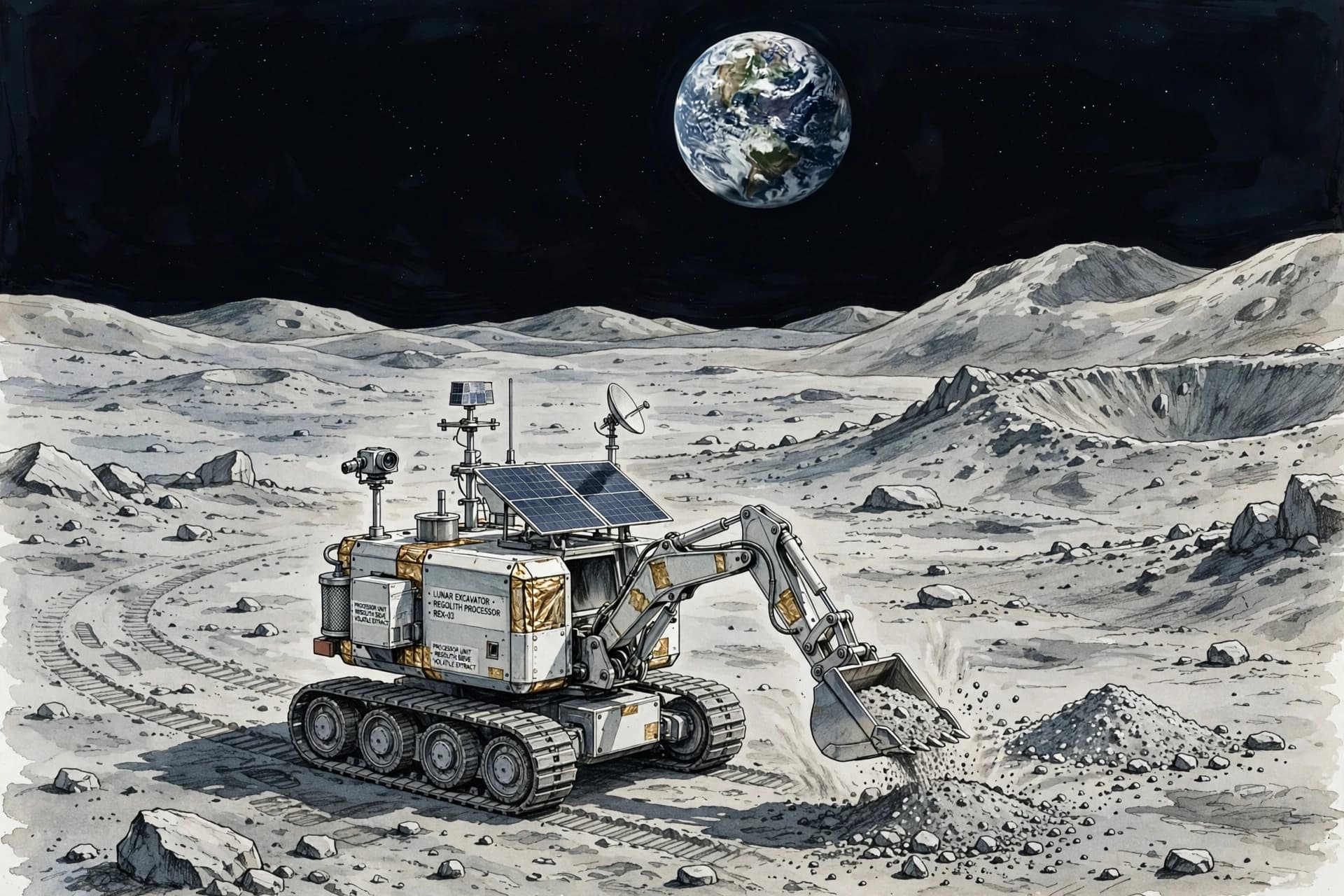
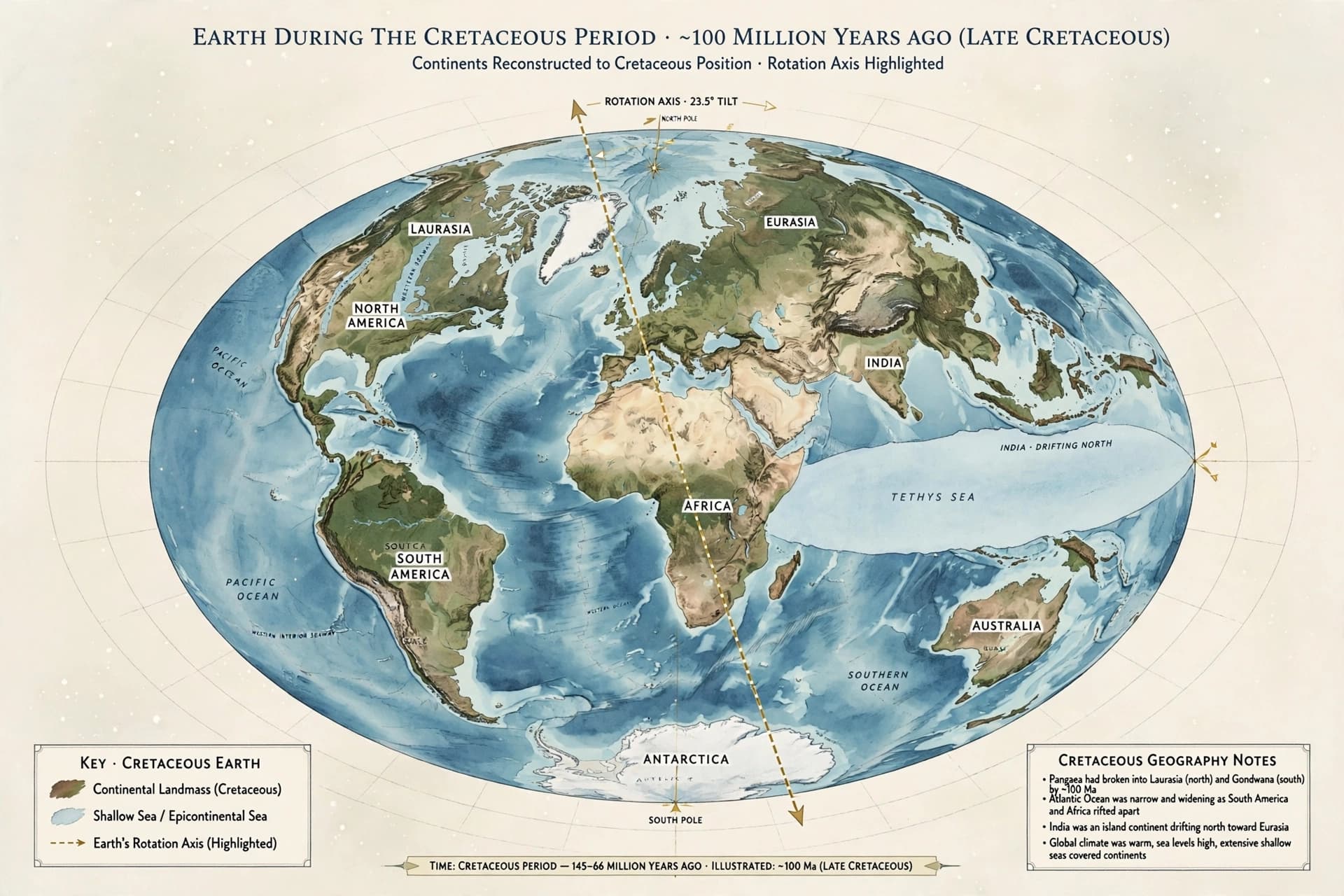
AI Image Disclaimer: The Mars orbiter images are AI-generated representations inspired by NASA’s long-term Mars mission photography.
Sources: NASA, The Washington Post, Space.com, BBC
Published by Banx Network. This article is part of the Banx decentralized media programme, powered by the BXE token on the XRP Ledger.