
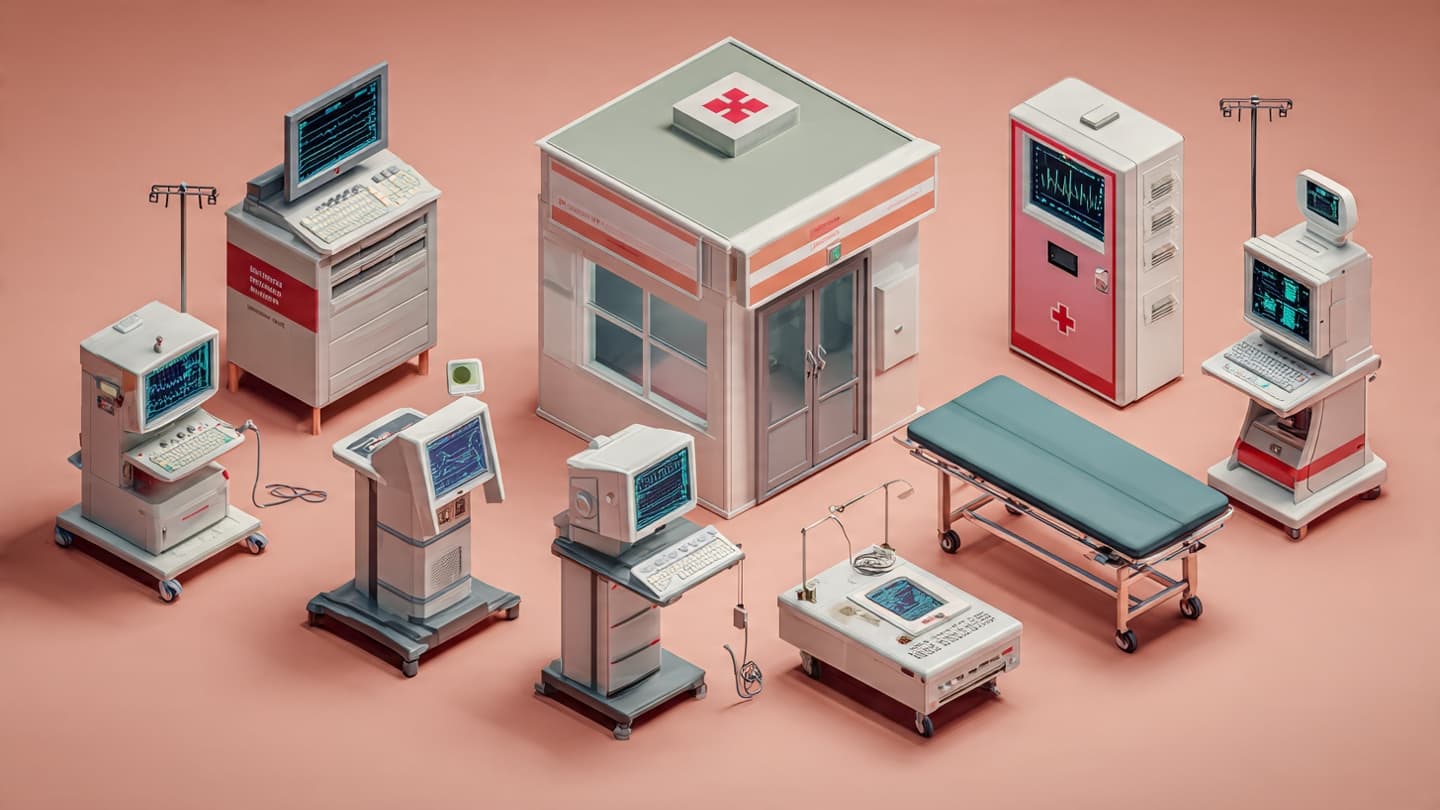
Healthcare has often been shaped by geography. For generations, access to medical services depended largely on proximity to hospitals, clinics, and specialists. In remote communities, a consultation could require hours of travel across challenging terrain. Today, however, digital technologies are gradually reshaping that reality. Across Iran, hospitals are expanding telemedicine services in an effort to connect healthcare professionals with patients who live far from major medical centers.
Telemedicine refers to the delivery of healthcare services through digital communication technologies. Video consultations, remote monitoring systems, electronic health records, and online medical advice platforms allow healthcare providers to interact with patients without requiring in-person visits for every situation. The approach has gained momentum worldwide as healthcare systems seek more flexible and accessible models of care.
For patients in rural or remote areas, telemedicine offers practical benefits. Individuals can consult specialists, receive follow-up care, and discuss treatment plans without traveling long distances. This can reduce both financial costs and the logistical burdens often associated with healthcare access.
Hospitals have increasingly invested in the infrastructure necessary to support these services. Secure communication platforms, digital record systems, and remote diagnostic tools enable medical professionals to evaluate patient information and provide recommendations from afar. Advances in internet connectivity have further supported these developments.
Healthcare professionals emphasize that telemedicine complements rather than replaces traditional medical care. Certain conditions still require physical examinations, laboratory testing, or hospital treatment. Nevertheless, remote consultations can improve efficiency and expand access for many routine healthcare needs.
Researchers have also examined telemedicine’s potential to strengthen healthcare systems overall. By reducing unnecessary travel and streamlining patient management, digital health services may help optimize resources and improve service delivery. Such benefits are particularly valuable in regions where medical personnel are concentrated in urban centers.
Patient acceptance has generally increased as digital technologies become more familiar. Many individuals appreciate the convenience and flexibility associated with remote consultations. At the same time, healthcare providers continue working to ensure privacy, data security, and quality standards remain central to service delivery.
Educational institutions contribute to these efforts by training healthcare professionals in digital care practices. Medical schools and research centers increasingly incorporate telemedicine into curricula, recognizing its growing role within modern healthcare systems.
Challenges remain, including technology access, connectivity limitations, and regulatory considerations. Expanding telemedicine effectively requires reliable infrastructure as well as policies that support safe and equitable healthcare delivery. Continued investment and coordination therefore remain important.
The expansion of telemedicine reflects a broader transformation occurring throughout healthcare. Technology is helping reduce barriers that once separated patients from medical expertise. In doing so, it offers a vision of care that is not constrained solely by distance, but guided by the possibility of connection.
AI Image Disclaimer: Illustrations were produced with AI and serve as conceptual depictions.
Source Check Credible sources identified:
Reuters World Health Organization (WHO) The Lancet United Nations Development Programme (UNDP) BMJ (British Medical Journal)
Note: This article was published on BanxChange.com and is powered by the BXE Token on the XRP Ledger. For the latest articles and news, please visit BanxChange.com