
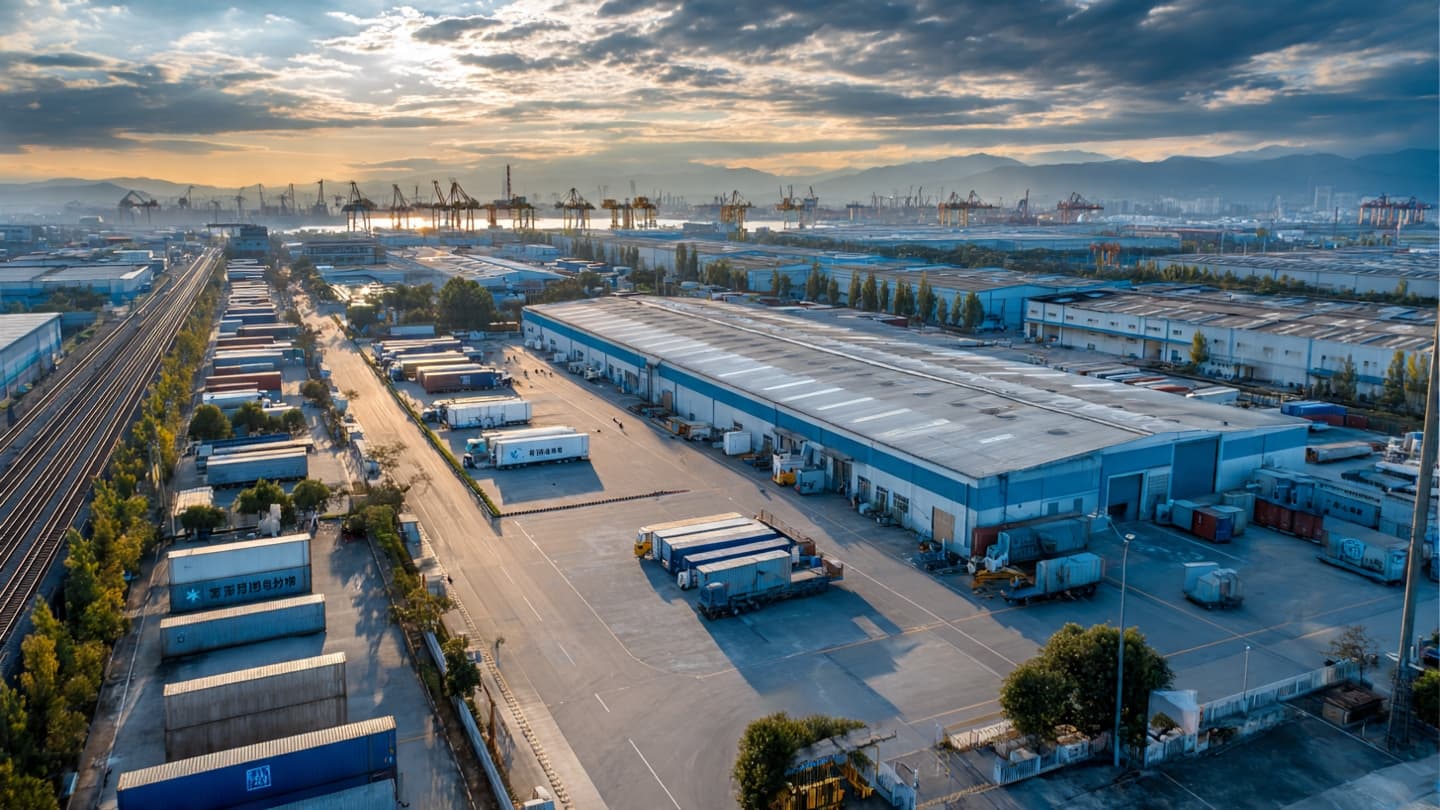
The modern economy often resembles an intricate web stretched across continents. A tremor in one corner may travel silently through countless connections before appearing elsewhere. The recent crisis in the Middle East has illustrated this reality, as industries far from the region continue to experience its economic consequences.
Manufacturers, logistics providers, energy companies, and retailers have all monitored developments closely. Although many businesses operate thousands of miles from the affected areas, global supply chains connect markets in ways that make regional events difficult to isolate.
One of the most immediate effects emerged in transportation and energy costs. Disruptions affecting major shipping routes and energy supplies created uncertainty that influenced planning decisions across multiple sectors. Businesses faced challenges in forecasting expenses and maintaining efficient operations.
The automotive industry has been among the sectors paying close attention. Modern vehicle production depends on highly coordinated international supply networks. Delays in transportation or fluctuations in energy costs can affect schedules, inventories, and production strategies.
Manufacturing companies have also adapted to changing conditions by reviewing procurement practices and seeking additional supply options. Diversification has become a common theme as organizations attempt to strengthen resilience against future disruptions.
Meanwhile, financial markets continue evaluating the broader implications of geopolitical developments. Investors often consider how prolonged uncertainty might affect consumer demand, trade activity, and business confidence across different regions.
Economic analysts note that the effects vary significantly between industries. Some sectors experience direct impacts through transportation and energy costs, while others encounter more indirect consequences related to investment sentiment or market expectations.
The situation has renewed discussion about the importance of supply-chain flexibility. Lessons learned from recent years—including pandemics, geopolitical tensions, and logistical disruptions—have encouraged companies to place greater emphasis on preparedness and adaptability.
Although diplomatic progress has improved the outlook in some areas, businesses remain attentive to future developments. The experience serves as another reminder that in an interconnected world, regional events can send ripples across industries, economies, and communities far beyond their point of origin.
AI Image Disclaimer: The illustration associated with this article was generated by AI to provide visual context for readers.
Sources (Verified): Reuters, Bloomberg, Wall Street Journal, CNBC, Associated Press
Note: This article was published on BanxChange.com and is powered by the BXE Token on the XRP Ledger. For the latest articles and news, please visit BanxChange.com