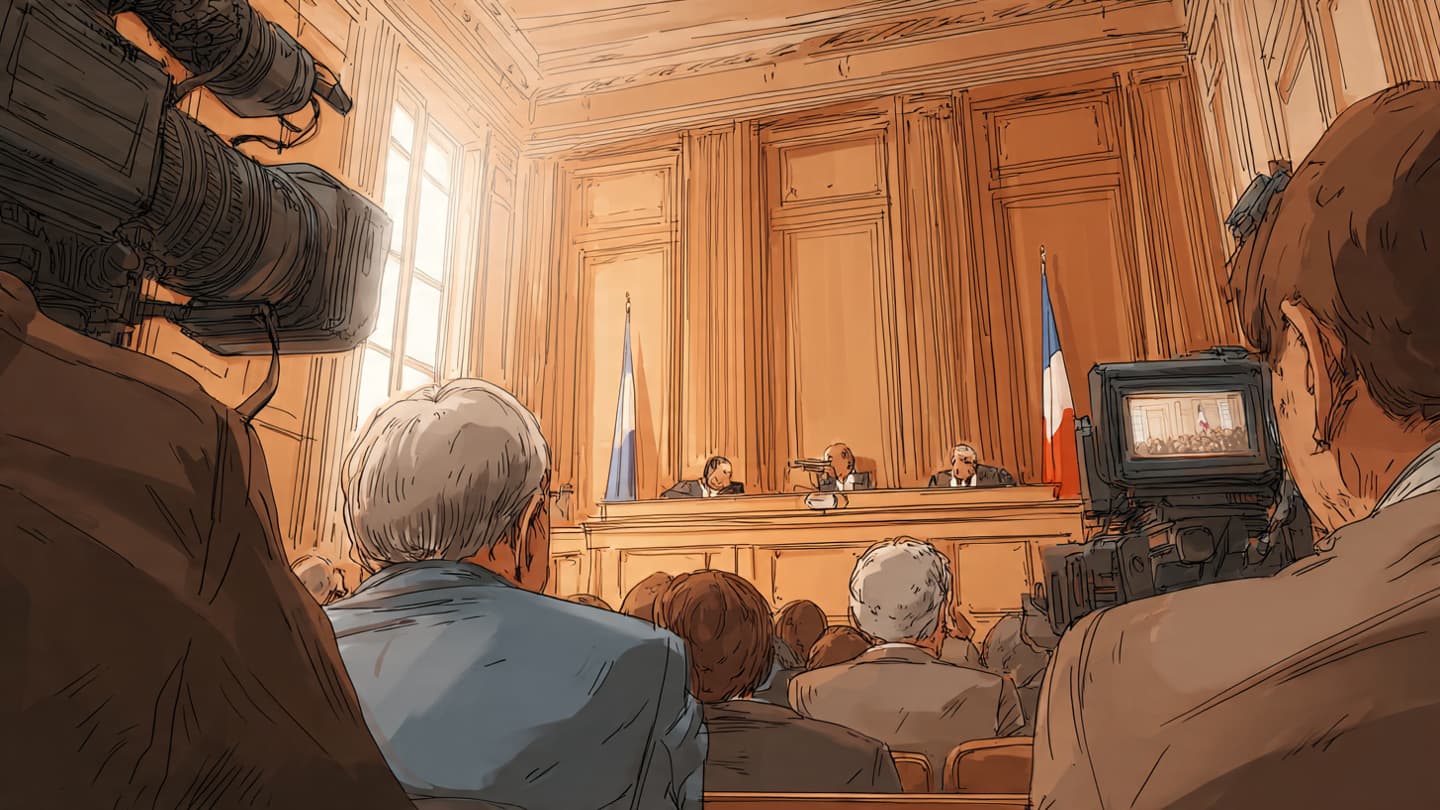
In the measured language of legal systems, verdicts often arrive after long stretches of inquiry, analysis, and debate. Yet behind every judicial conclusion lies a history of human lives, technical decisions, and moments that unfolded in the sky far above the reach of those on the ground.
A French court has found Air France and Airbus guilty of manslaughter in relation to the 2009 crash of Flight 447, according to reporting from Reuters, Associated Press, and European media outlets. The ruling concludes a lengthy legal process examining responsibility for one of the most scrutinized aviation disasters of the past decades.
The aircraft, en route from Rio de Janeiro to Paris, disappeared over the Atlantic Ocean after encountering severe weather conditions and a complex chain of technical and operational factors. Recovery efforts eventually located wreckage and flight recorders deep underwater, enabling investigators to reconstruct the flight’s final minutes.
Over years of proceedings, the court examined issues including pilot training, cockpit response to automated alerts, and the design of aircraft systems. These discussions highlighted the complexity of determining responsibility in modern aviation, where human judgment and automated technology are deeply interconnected.
Air France and Airbus both participated in extended legal defenses, disputing allegations of criminal negligence while acknowledging the severity of the tragedy. The case has remained central in debates about how aviation safety responsibilities are assigned among manufacturers, operators, and regulatory frameworks.
Legal analysts have noted that the case is significant not only for its outcome, but for its reflection of broader questions in aviation law—particularly how courts evaluate causation when multiple technical and human factors converge.
Families of the 228 victims have followed the proceedings for years, often describing the legal process as a necessary but emotionally distant path toward understanding what occurred during the flight.
As aviation systems continue to evolve, the case remains a reference point in discussions about safety improvements, accountability structures, and the ongoing effort to reduce risks in commercial air travel.
Disclaimer: Some visuals in this article were generated using AI for editorial illustration purposes.
Sources: Reuters, Associated Press, BBC, Le Figaro, European aviation safety agencies
Published by Banx Network. This article is part of the Banx decentralized media programme, powered by the BXE token on the XRP Ledger.