
War often leaves behind more than damaged buildings. It reshapes routines, interrupts classrooms, and casts uncertainty over places once associated with ordinary life. This week, another moment of conflict drew international attention after Russian President Vladimir Putin vowed a response following reports that six people died in a strike involving a college facility.
According to Russian officials, the incident occurred during ongoing hostilities linked to the war in Ukraine. Putin stated that six individuals were killed in what he described as an attack on a civilian educational institution, though independent verification of all details surrounding the strike remained limited at the time of reporting.
Russian authorities condemned the incident and signaled that retaliatory measures could follow. State officials framed the strike as evidence of continued escalation within a conflict that has already produced widespread humanitarian and infrastructure damage across the region.
Ukrainian officials did not immediately confirm Russia’s characterization of the event, while international observers continued monitoring developments through satellite imagery, local reporting, and statements from both governments. As in many wartime situations, competing narratives emerged rapidly following the attack.
Educational institutions have repeatedly found themselves affected during the conflict, either directly through strikes or indirectly through displacement and infrastructure disruption. International organizations have expressed concern over the broader impact of prolonged warfare on civilian life and access to education.
Analysts note that public statements made after such incidents often carry both military and political significance. Leaders may seek to reinforce domestic resolve, shape international perception, or justify future military actions through carefully framed responses.
The latest developments also come amid continuing diplomatic strain between Russia and Western governments supporting Ukraine. Cease-fire efforts and broader negotiations remain limited, while military operations continue across multiple regions.
Humanitarian agencies have repeatedly urged all sides to minimize civilian harm and protect non-military infrastructure wherever possible. Schools, hospitals, and residential areas remain particularly sensitive within international discussions surrounding wartime conduct.
For now, tensions remain high as officials in Moscow continue signaling possible retaliation. The incident serves as another reminder of how prolonged conflict continues affecting not only military positions, but also civilian spaces tied to everyday life.
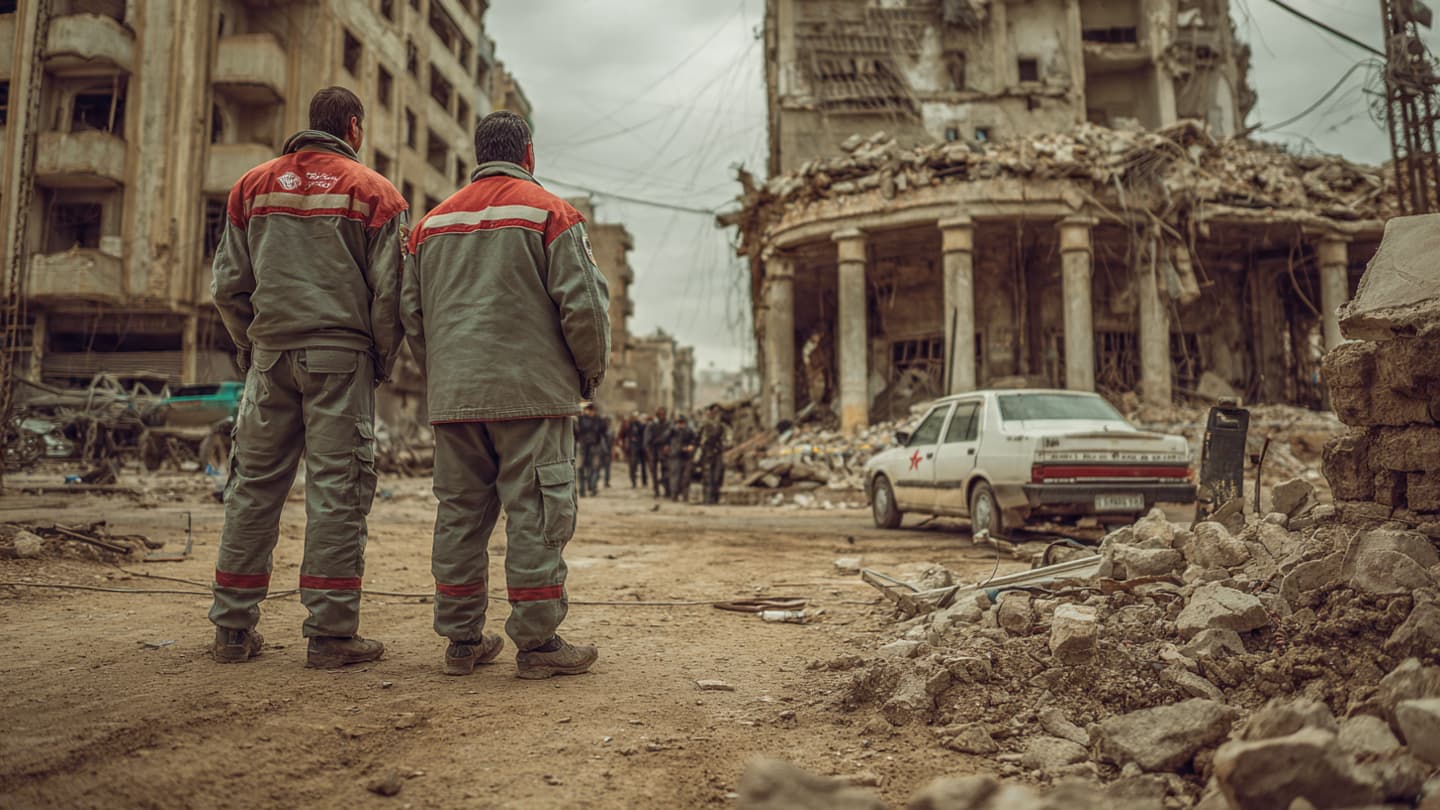
AI-generated imagery is used for visual illustration purposes only.
Sources: Reuters, Associated Press, BBC, Al Jazeera, The Guardian
Note: This article was published on BanxChange.com and is powered by the BXE Token on the XRP Ledger. For the latest articles and news, please visit BanxChange.com