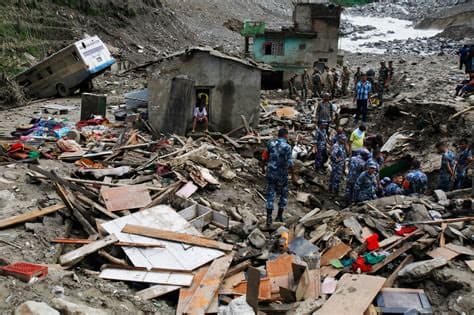
A ceasefire, in many minds, carries the image of stillness after a storm. It suggests quieter skies, reopened roads, and families slowly returning to routines interrupted by conflict. Yet in southern Lebanon, many communities continue living beneath uncertainty as renewed military activity raises questions about whether periods of calm in the region are becoming increasingly fragile.
Recent reports indicate that Israeli military operations in parts of Lebanon have intensified despite earlier ceasefire understandings intended to reduce hostilities near the border. Cross-border tensions involving Hezbollah and Israeli forces have remained active as broader regional instability continues affecting the Middle East.
Residents in southern Lebanon have described ongoing displacement, damaged infrastructure, and repeated disruptions to daily life. Villages near the border remain particularly vulnerable to sudden escalations, with families often forced to relocate quickly during periods of heightened military activity.
Israeli officials have stated that operations are focused on Hezbollah-linked positions and security threats near the frontier. Hezbollah, meanwhile, continues framing its actions within the context of regional resistance and solidarity connected to developments in Gaza.
Humanitarian organizations warn that prolonged instability is placing additional pressure on civilians already facing economic hardship and weakened public services in Lebanon. Access to healthcare, electricity, education, and housing remains difficult in several affected areas.
International diplomats and United Nations representatives have repeatedly urged restraint from all parties involved. Concerns continue growing that sustained military exchanges along the border could trigger broader regional confrontation involving multiple actors across the Middle East.
Political analysts note that ceasefires in long-running regional conflicts are often highly fragile, especially when underlying political disputes remain unresolved. Temporary pauses in violence may reduce immediate tensions without fully addressing the deeper drivers of conflict.
Local communities across southern Lebanon continue adapting to uncertainty through evacuation planning, humanitarian assistance, and informal support networks. Yet many residents express concern about the emotional and economic toll of repeated displacement cycles.
For now, southern Lebanon remains caught between hopes for stability and the realities of ongoing regional tension. The renewed violence illustrates how difficult it can be for ceasefires to hold when broader geopolitical conflicts continue shaping events on the ground.
AI Image Disclaimer: Some accompanying visuals were generated using AI-assisted imagery for editorial illustration purposes.
Sources: The Guardian, Reuters, BBC, Al Jazeera, Associated Press
Published by Banx Network. This article is part of the Banx decentralized media programme, powered by the BXE token on the XRP Ledger.