
In many parts of the world, ceasefires are often imagined as the first quiet rain after a long storm. Yet along the border between Israel and Lebanon, that sense of calm remains fragile. Reports of continued military activity have once again drawn international attention to a region where peace has frequently arrived in brief and uncertain intervals.
Recent reports indicate that Israeli forces have continued conducting military strikes in parts of southern Lebanon despite the existence of ceasefire arrangements intended to reduce hostilities. Israeli officials have argued that certain operations are necessary to address ongoing security concerns, particularly regarding armed groups operating near the border.
Lebanese authorities, meanwhile, have condemned the strikes, describing them as violations of previously agreed understandings. Officials in Beirut have warned that repeated incidents could further destabilize an already tense situation and complicate diplomatic efforts underway through international mediators.
Communities living near the border remain among the most affected. Residents in several villages have reported renewed displacement, with some families once again leaving their homes amid fears of escalating violence. Humanitarian organizations have expressed concern over the continuing impact on civilians and local infrastructure.
International diplomatic efforts continue behind the scenes. The United States, France, and the United Nations have all urged restraint from all parties, emphasizing the importance of preserving existing ceasefire mechanisms and preventing a broader regional conflict.
Analysts note that the Israel-Lebanon frontier has long represented one of the Middle East's most sensitive flashpoints. Even isolated incidents have historically carried the potential to trigger wider confrontations, particularly when regional tensions are already elevated.
The presence of armed groups in southern Lebanon, especially Hezbollah, continues to shape Israel's security calculations. At the same time, Lebanese leaders argue that long-term stability can only be achieved through sustained diplomacy and respect for international agreements.
For now, international observers continue monitoring developments closely. While diplomatic channels remain open, events on the ground demonstrate how delicate ceasefires can be, especially in regions where historical grievances and security concerns remain deeply intertwined.
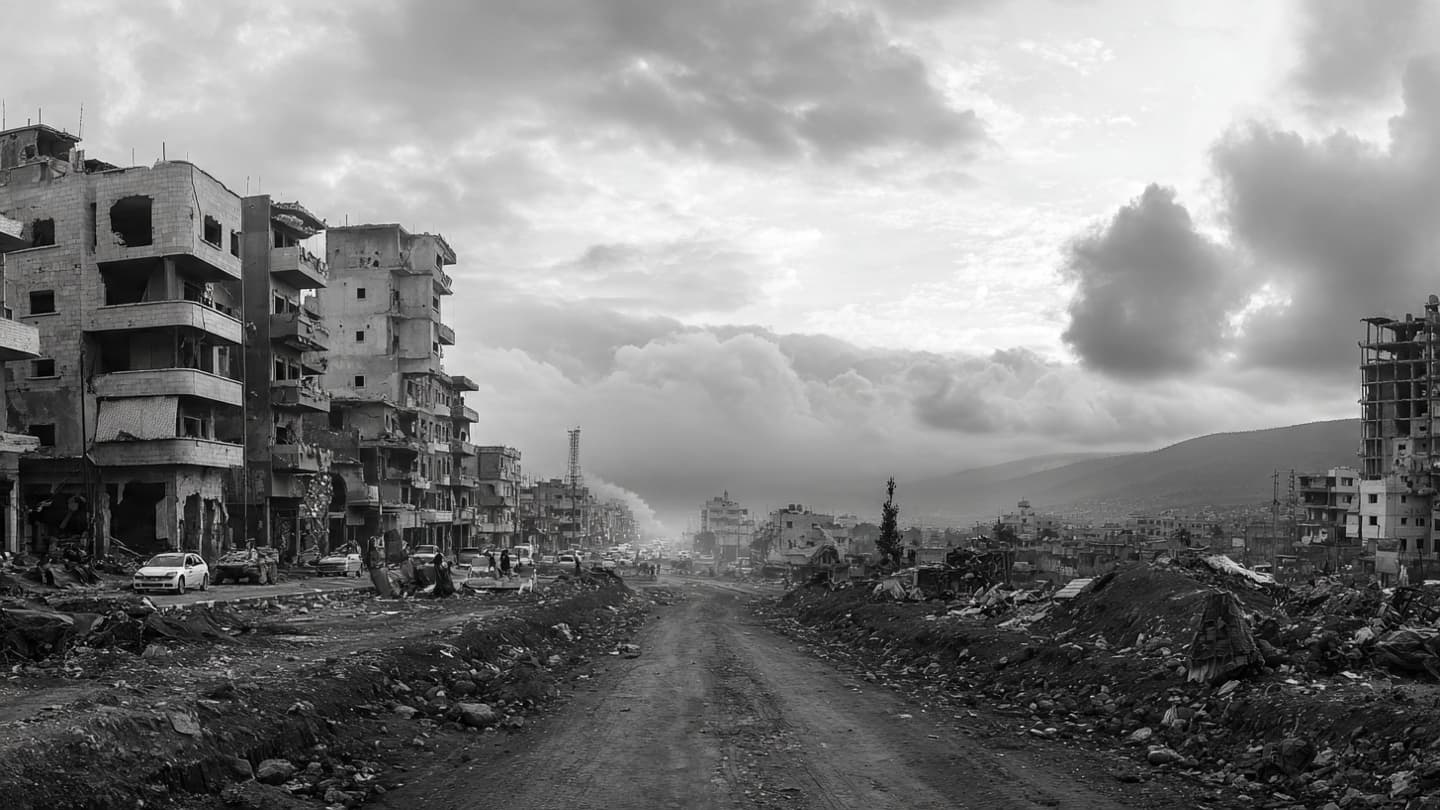
AI Image Disclaimer: The accompanying illustration was created using artificial intelligence to visually represent the reported events.
Sources: Reuters, Al Jazeera, CBS News, Associated Press, United Nations
Note: This article was published on BanxChange.com and is powered by the BXE Token on the XRP Ledger. For the latest articles and news, please visit BanxChange.com