
The modern world often appears seamless from above. Every day, thousands of aircraft trace invisible pathways across continents, linking families, businesses, and nations through an intricate web of movement. Yet even these familiar routes can become reminders of how closely transportation and security remain connected. Kuwait’s recent decision to temporarily close its airspace offered such a reminder.
Authorities announced the measure amid heightened regional tensions and concerns regarding potential security risks. While the closure was temporary, the decision immediately attracted international attention because of Kuwait’s strategic position within the Gulf region, one of the world's most important aviation corridors.
Airspace restrictions are not uncommon during periods of uncertainty. Governments occasionally take precautionary steps when security assessments indicate elevated risks to civilian aviation. Such actions are generally intended to prioritize passenger safety while authorities evaluate evolving conditions.
The closure affected flight operations across parts of the region. Airlines were required to monitor developments closely and, in some cases, adjust routes or schedules. Aviation companies routinely maintain contingency plans for such circumstances, allowing them to respond quickly when conditions change.
Beyond transportation, the event highlighted the interconnected nature of regional security. Developments occurring in one country can influence decision-making elsewhere, particularly in areas where commercial, political, and strategic interests overlap.
The Gulf remains a vital hub for global travel and trade. Major airports in the region serve millions of passengers annually and connect destinations across Europe, Asia, Africa, and the Americas. Maintaining confidence in the safety of these routes is therefore an important priority.
Industry experts note that modern aviation benefits from extensive coordination between governments, airlines, and international regulatory bodies. This collaboration helps ensure that decisions regarding airspace management are based on evolving security information and operational considerations.
While disruptions can create temporary inconvenience, they also demonstrate the resilience of the aviation sector. Airlines and aviation authorities have developed systems designed to adapt to changing circumstances while minimizing broader impacts on travelers.
Kuwait later moved toward restoring normal operations as conditions permitted. The episode serves as a reminder that even in an era defined by global connectivity, safety remains the foundation upon which international travel depends.
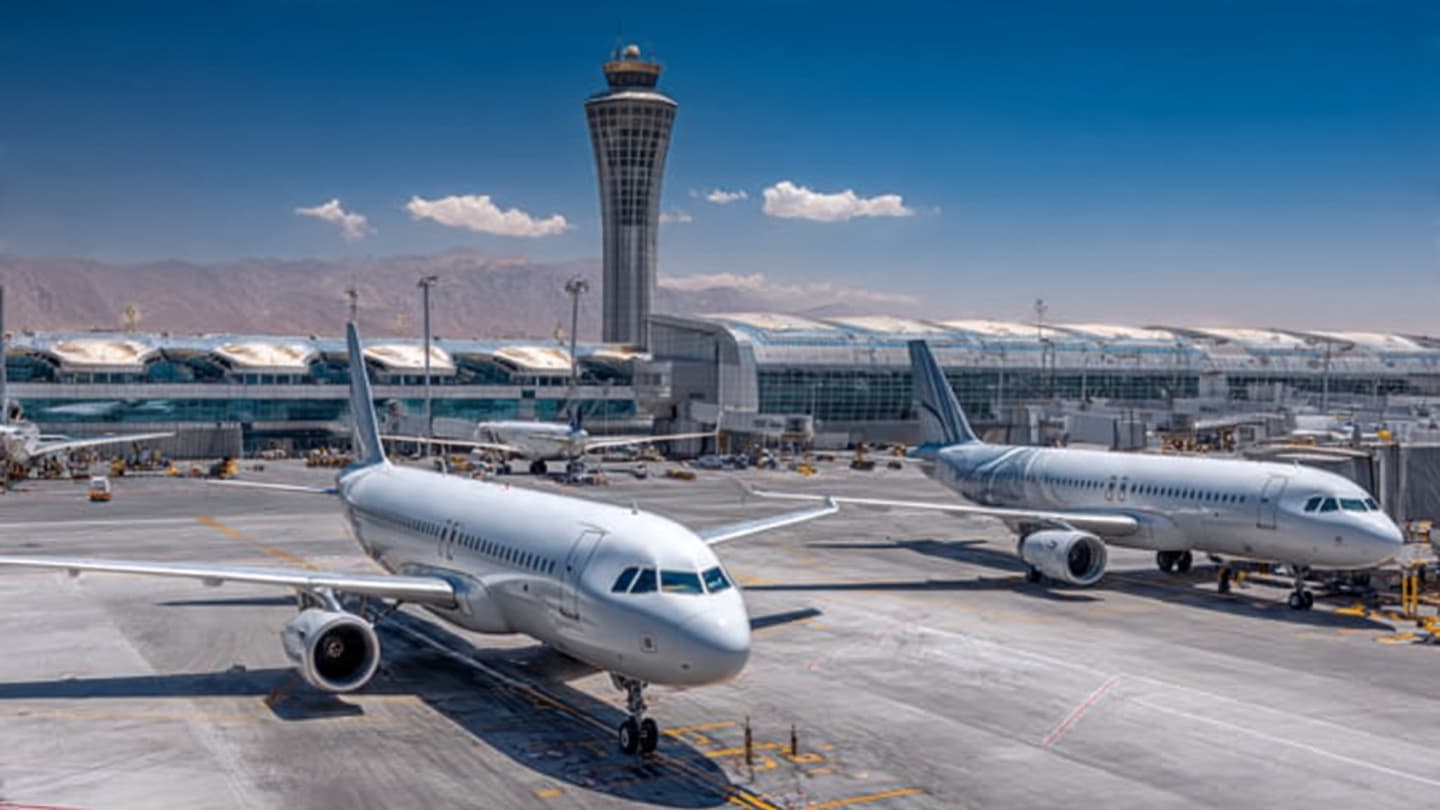
AI Image Disclaimer: This article is accompanied by an AI-generated illustration created for editorial visualization purposes
Note: This article was published on BanxChange.com and is powered by the BXE Token on the XRP Ledger. For the latest articles and news, please visit BanxChange.com