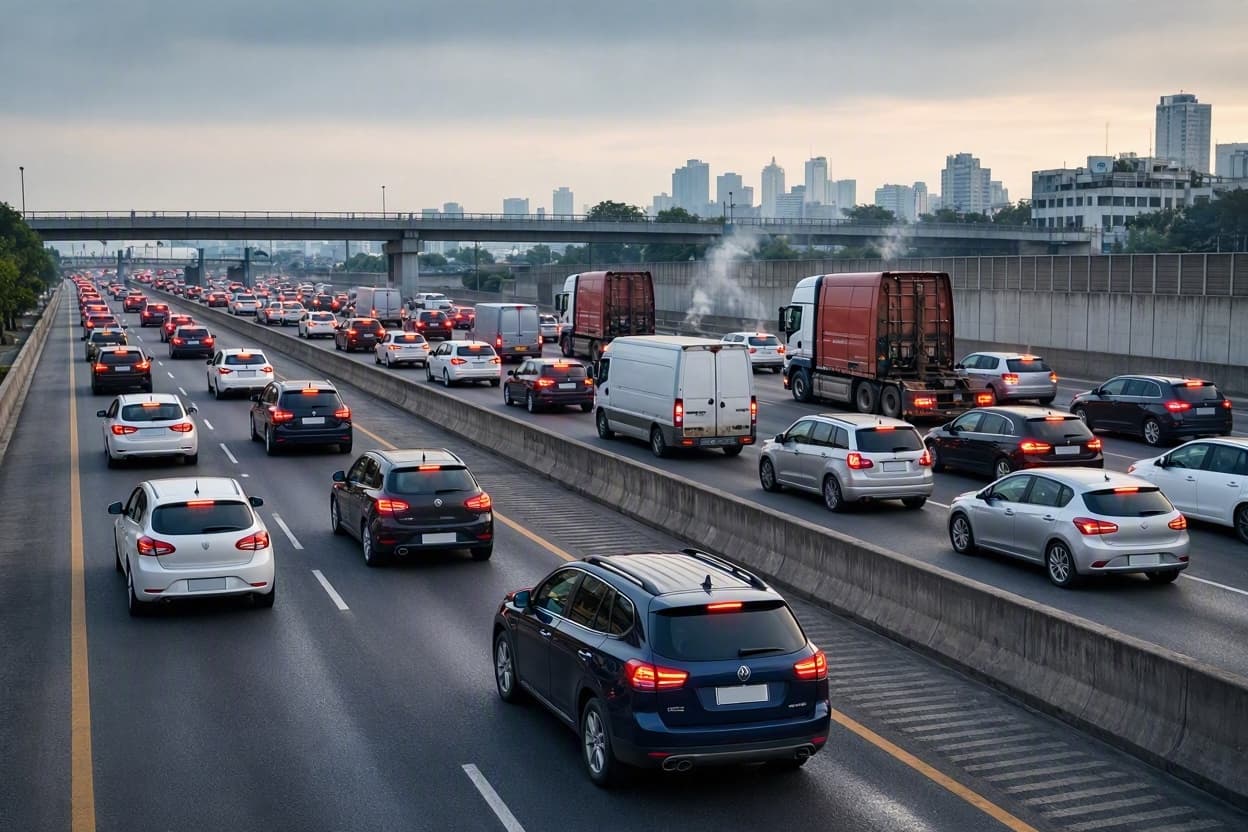
Highway 401, the arterial backbone of Ontario’s transportation network, is often a river of steel and motion, carrying thousands of commuters daily. Recently, however, that flow was abruptly halted in Cambridge when a three-vehicle collision closed all eastbound lanes at the interchange with Highway 8. The incident, which occurred during peak travel hours, served as a stark reminder of the vulnerability inherent in high-speed transit and the fragility of daily routines.
Emergency responders arrived swiftly to a scene of twisted metal and scattered debris. While details of the cause remain under investigation, initial reports suggest that changing weather conditions or driver error may have played a role. The impact was significant enough to disable multiple vehicles, requiring heavy equipment for clearance and extensive cleanup efforts. For those trapped in the resulting gridlock, the delay was more than an inconvenience; it was a disruption of plans and peace of mind.
The closure of such a major thoroughfare has ripple effects across the region. Commuters faced hours of delays, missing appointments and adding stress to already busy days. Local roads, ill-equipped to handle the diverted traffic, became congested bottlenecks. The economic cost of such disruptions, though hard to quantify immediately, is substantial, affecting businesses and logistics that rely on timely delivery.
For the drivers involved, the crash is a life-altering event. Injuries, vehicle damage, and insurance complications await them in the days ahead. It is a sobering thought that a single moment of inattention can lead to such consequences. First responders worked diligently to ensure their safety and provide medical attention, highlighting the critical role of emergency services in maintaining public safety.
Transportation authorities have used the incident to remind drivers of the importance of caution, especially in areas with complex interchanges. Highway 8 and 401 intersect in a way that requires careful merging and awareness of blind spots. Signs and signals are in place, but human judgment remains the final safeguard. The crash underscores the need for constant vigilance behind the wheel.
As cleanup crews worked to restore the lanes, the frustration of stranded motorists was palpable. Social media buzzed with updates and complaints, reflecting the collective anxiety of being stuck. Yet, amidst the annoyance, there was also a sense of shared experience, a communal nod to the unpredictability of travel. Everyone on the road is subject to the same forces of chance and circumstance.
Once the lanes reopened, traffic slowly returned to its usual rhythm. The debris was cleared, and the scars on the pavement were temporary. But the memory of the stoppage lingers, a brief pause in the relentless forward momentum of modern life. It invites reflection on how we value time and safety, and how easily both can be compromised.
For now, the highway flows again, but the lesson remains. Driving is a shared responsibility, requiring patience and attention. As we navigate our daily commutes, let us remember the fragility of the journey and the importance of arriving safely. In the end, no destination is worth risking the well-being of ourselves or others.
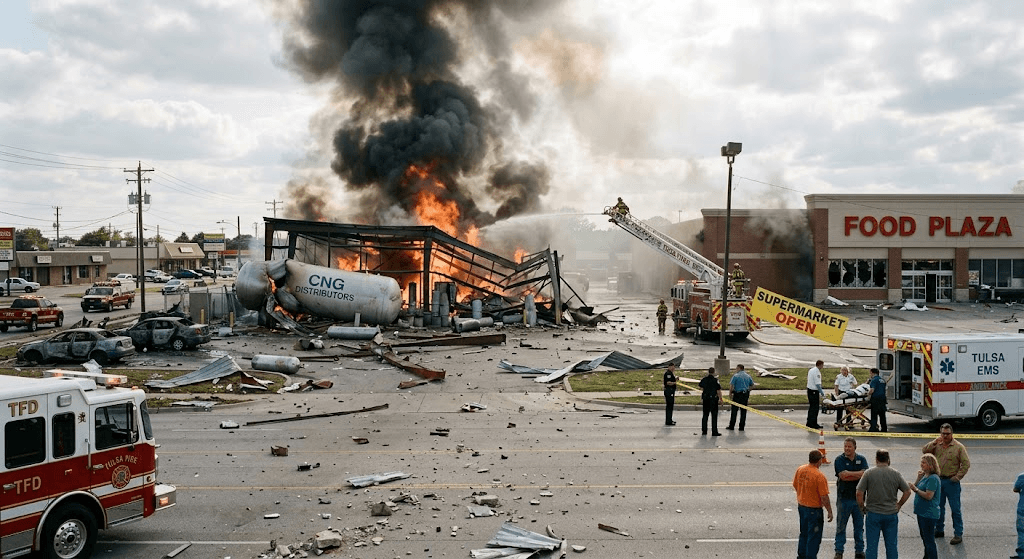
AI Image Disclaimer: Images accompanying this report are AI-generated artistic interpretations of highway traffic and emergency response scenes, intended to visualize the context of the crash without depicting real individuals or graphic injury.
Sources: CTV News Kitchener, CBC News, 570 News, Ontario Ministry of Transportation
Note: This article was published on BanxChange.com and is powered by the BXE Token on the XRP Ledger. For the latest articles and news, please visit BanxChange.com