Time in the high Alps moves differently, preserved in ice and stone. For thirty-four years, the fate of two Belgian climbers, Jean-Marie Masset and Bruno Gouwy, remained a mystery, their disappearance echoing in the memories of families and friends. Recently, however, the glaciers revealed their secret. The bodies of the two men were discovered in the Swiss Alps, bringing a long-awaited, albeit sorrowful, closure to a decades-old case.
The climbers vanished in 1989 while attempting to ascend the Grand Combin, a formidable peak in the Valais region. Despite extensive search efforts at the time, no trace was found, leaving their loved ones in a state of suspended grief. In mountain communities, such disappearances are not uncommon, but the lack of resolution leaves a unique kind of pain, one that refuses to heal because it never fully begins.
The discovery was made possible by the receding glaciers, a phenomenon linked to climate change. As the ice melts, it exposes artifacts and remains that have been hidden for decades. For the families of Masset and Gouwy, the news was bittersweet. While the finding confirms the worst, it also allows for proper burial and mourning, rituals that were denied to them for over three decades.
Local authorities and mountain rescue teams worked to recover the bodies with dignity and respect. The identification process involved dental records and other forensic methods, confirming the identities beyond doubt. For the investigators, the case is now closed, but for the families, a new chapter begins—one of acceptance and final goodbye.
The story of Masset and Gouwy is a reminder of the allure and danger of mountaineering. The Alps have drawn adventurers for centuries, offering beauty and challenge in equal measure. Yet, the mountains are indifferent to human ambition, and mistakes can have fatal consequences. The climbers’ legacy is one of passion and peril, a testament to the spirit of exploration.
Climate change plays a poignant role in this narrative. The same warming trends that threaten the stability of the glaciers are also revealing the past. Archaeologists and historians note that more discoveries are likely as the ice continues to retreat. Each find is a piece of history returned, but also a reminder of the environmental shifts reshaping our world.
For the Belgian community, the news has sparked reflections on memory and loss. Tributes have been paid to the two men, honoring their love for the mountains. Their story serves as a cautionary tale for current climbers, emphasizing the importance of preparation and respect for nature’s power. It is a legacy written in ice, now melting into history.
As the bodies are returned to their homeland, the focus shifts to healing. The families can now lay their loved ones to rest, ending a long vigil. The mountains remain, majestic and unforgiving, holding secrets yet to be revealed. For now, peace has come to Jean-Marie and Bruno, thirty-four years too late, but just in time for grace.
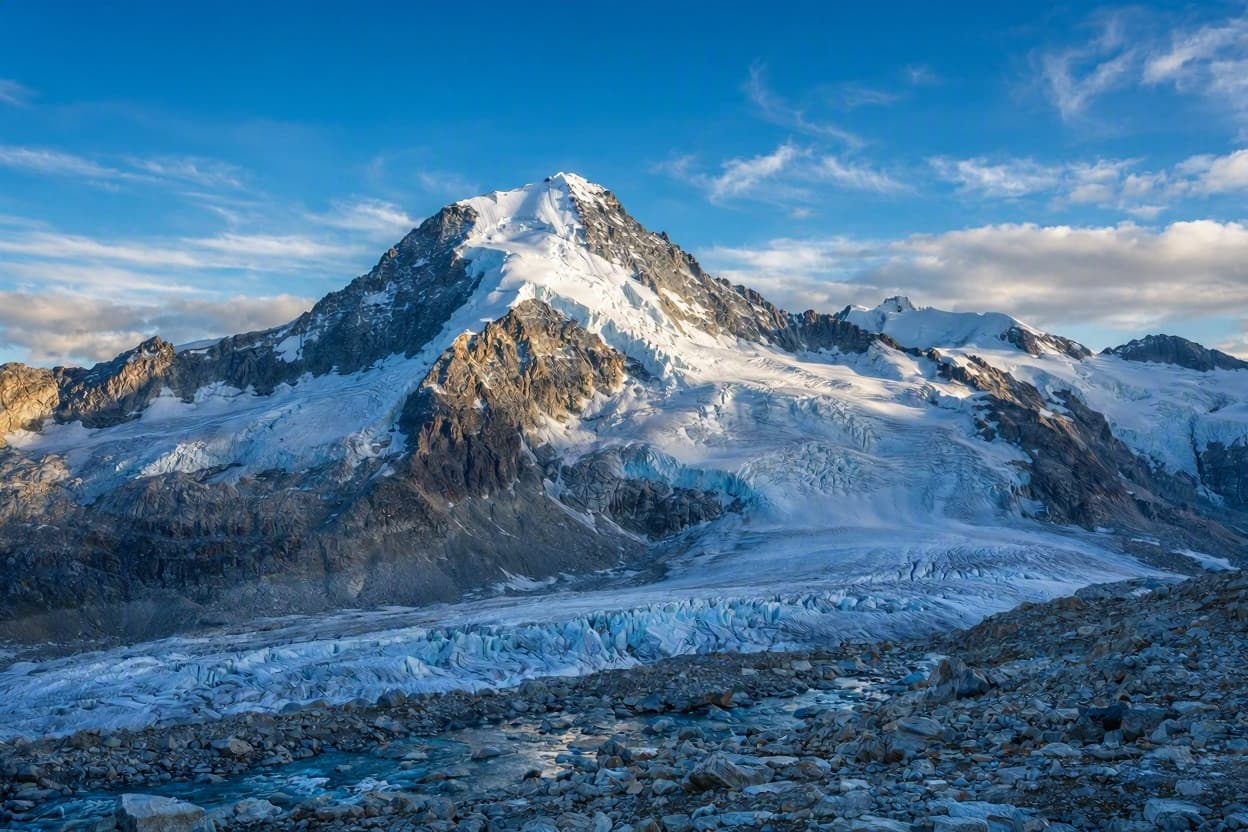
AI Image Disclaimer: Images accompanying this report are AI-generated artistic interpretations of alpine landscapes and glacial features, intended to visualize the context of the discovery without depicting real human remains or specific recovery operations.
Sources: The Brussels Times, SWI swissinfo.ch, The Local France, Mountain Rescue Associations
Note: This article was published on BanxChange.com and is powered by the BXE Token on the XRP Ledger. For the latest articles and news, please visit BanxChange.com