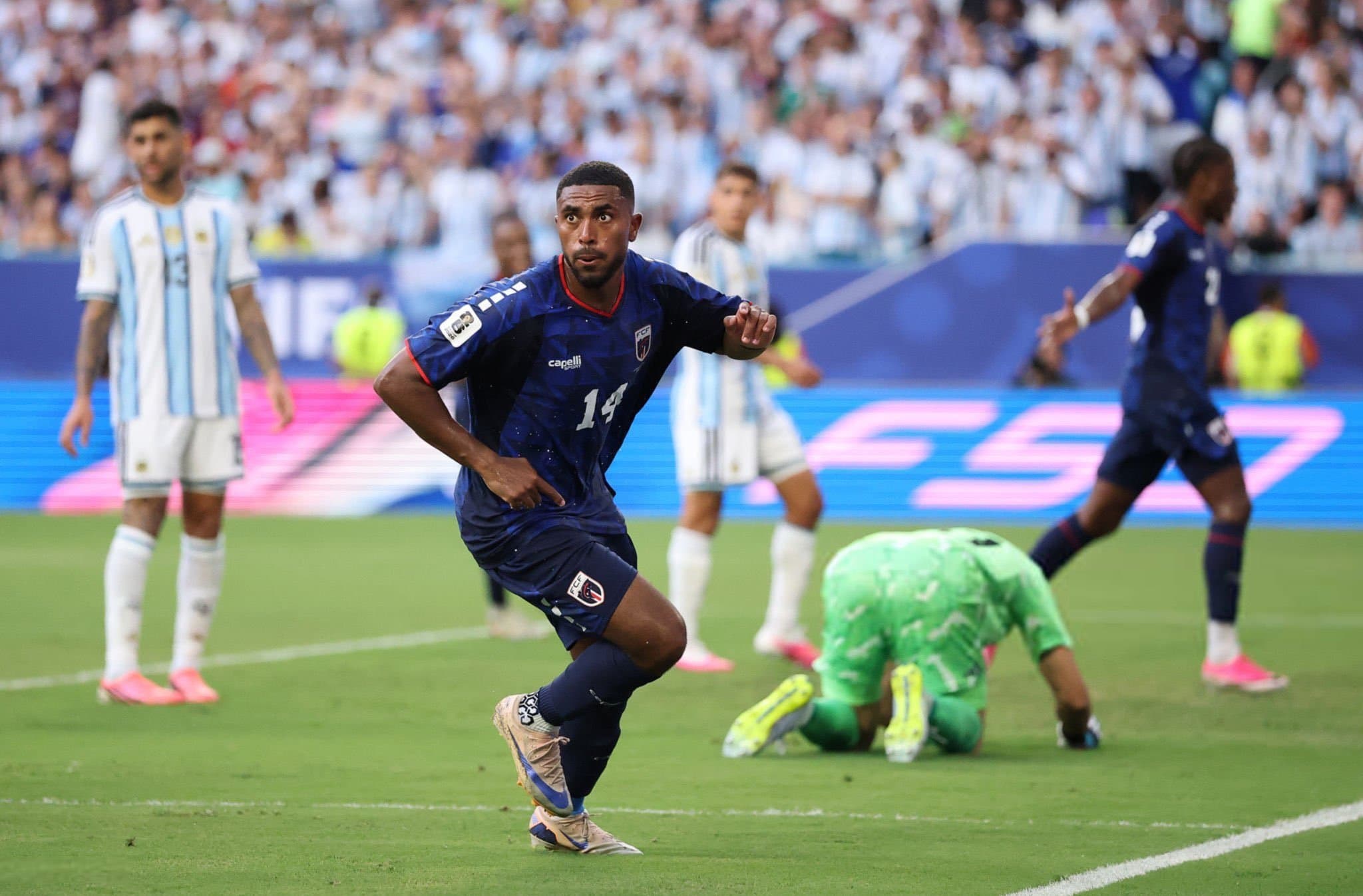
A recent viral post comparing the populations of Cabo Verde and Argentina while asking whether the 2026 FIFA World Cup is "authentic" has once again ignited heated debate across football communities.
The post claims that Cabo Verde has an estimated population of just over 529,000 people, while Argentina is home to around 46 million. The implication is clear: how can such a small nation compete with traditional football giants on the world's biggest stage?
At first glance, the comparison appears dramatic. A country with fewer than one million citizens standing toe-to-toe with one of football's greatest nations certainly captures attention. But football has never been a game decided by population size alone.
History is filled with examples of smaller nations producing extraordinary talent. Countries with relatively small populations have consistently challenged the world's elite through exceptional coaching, disciplined youth development, tactical organization, and passionate football cultures. Success is built on infrastructure, opportunity, and commitment—not simply the number of people living within a country's borders.
That said, viral posts like this often tap into a wider conversation about competitive balance in international football. Fans question qualification systems, tournament expansion, and whether newer or smaller nations can genuinely compete against established powerhouses. These debates are healthy when they focus on facts and the evolution of the sport rather than speculation.
The expansion of the 2026 FIFA World Cup has created more opportunities for emerging football nations to showcase their talent on the global stage. For many supporters, this represents one of the tournament's greatest strengths. New stories, unexpected heroes, and memorable upsets are what make the World Cup unique.
Football history repeatedly reminds us that reputations don't win matches. Every tournament delivers surprise results that rewrite expectations. Whether it's an underdog defeating a former champion or a debut nation capturing global attention, these moments become part of the sport's lasting legacy.
As for claims questioning the authenticity of the tournament, extraordinary allegations require credible evidence. Viral posts, edited images, or isolated statistics alone are not proof of manipulation. Fans should approach sensational content with healthy skepticism and verify information through reliable sources before drawing conclusions.
Ultimately, football is decided on the pitch. While population statistics make for eye-catching social media discussions, they cannot measure determination, tactical intelligence, teamwork, or the belief that drives players to achieve the impossible.
The 2026 FIFA World Cup promises fresh rivalries, new stars, and unforgettable moments. Whether a nation has half a million people or forty-six million, every team earns the chance to write its own chapter in football history. And that uncertainty is exactly why billions of fans continue to fall in love with the beautiful game.
Published by Banx Network. This article is part of the Banx decentralized media programme, powered by the BXE token on the XRP Ledger.