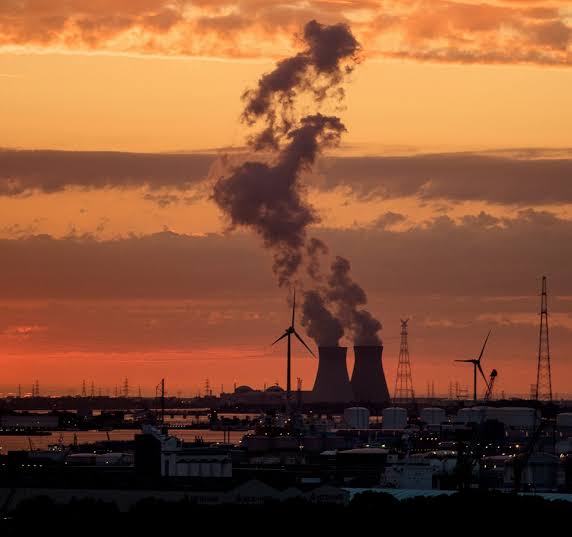
The search for environmental solutions sometimes begins in unexpected places. Materials once considered waste can become valuable resources when viewed through the lens of scientific creativity. Researchers exploring sustainable technologies have found new possibilities in food industry by-products, transforming them into materials that may help address climate challenges.
Scientists have developed a method for converting protein-rich waste from tofu and cheese production into specialized materials capable of capturing carbon dioxide. The research combines principles of chemistry, environmental science, and sustainable manufacturing to create a practical use for agricultural and food-processing residues.
Carbon capture technologies are being studied around the world as one of several approaches to reducing greenhouse gas emissions. These systems aim to remove carbon dioxide from industrial processes or the atmosphere, potentially supporting broader climate strategies alongside renewable energy and conservation efforts.
The newly developed material uses proteins found in food waste to create porous structures that can absorb carbon dioxide. By repurposing discarded resources, researchers hope to reduce waste while contributing to environmental protection and resource efficiency.
Food production generates significant amounts of by-products each year, creating opportunities for innovative recycling methods. Scientists continue to explore ways to transform agricultural waste into useful products such as biodegradable plastics, fertilizers, and advanced industrial materials.
Experts note that climate challenges are unlikely to be solved through a single technology. Carbon capture, cleaner energy systems, improved recycling, and sustainable manufacturing practices may all contribute to reducing environmental impacts over time.
The research also highlights the concept of a circular economy, where materials are reused rather than discarded after a single purpose. Such approaches aim to reduce waste while creating additional economic and environmental value from existing resources.
Although further research and development are needed before widespread implementation, the study demonstrates how scientific innovation can uncover practical solutions in everyday materials. What was once considered waste may become part of future efforts to support environmental sustainability.
AI Image Disclaimer: Some accompanying images may be AI-generated to illustrate scientific concepts and environmental technologies.
Sources: ScienceDaily, environmental research publications, academic institutions
Published by Banx Network. This article is part of the Banx decentralized media programme, powered by the BXE token on the XRP Ledger.