Banff National Park is a sanctuary of wild beauty, where the rules of nature take precedence over human convenience. Recently, this balance was disrupted when a woman was fined after her off-leash dog encountered a grizzly bear, a situation that could have ended in tragedy. The incident serves as a stark reminder of the responsibilities visitors hold when entering protected wilderness areas, where wildlife management is critical for both animal and human safety.
The encounter occurred on a popular trail, where the dog, unleashed and unaware of the dangers, approached the bear. Grizzly bears, while often avoiding humans, can become aggressive if they feel threatened or if their cubs are nearby. In this case, the bear did not attack, but the proximity posed a significant risk to the dog, its owner, and other hikers in the area. Park wardens intervened, issuing a fine for violating leash laws designed to prevent such conflicts.
For the woman, the fine is a financial penalty, but the experience is likely a lasting lesson in vigilance. Many visitors underestimate the speed and power of wild animals, assuming that domestic pets can interact safely with them. However, bears perceive dogs as threats or prey, triggering defensive instincts that can escalate quickly. The leash law is not merely bureaucratic; it is a vital tool for coexistence.
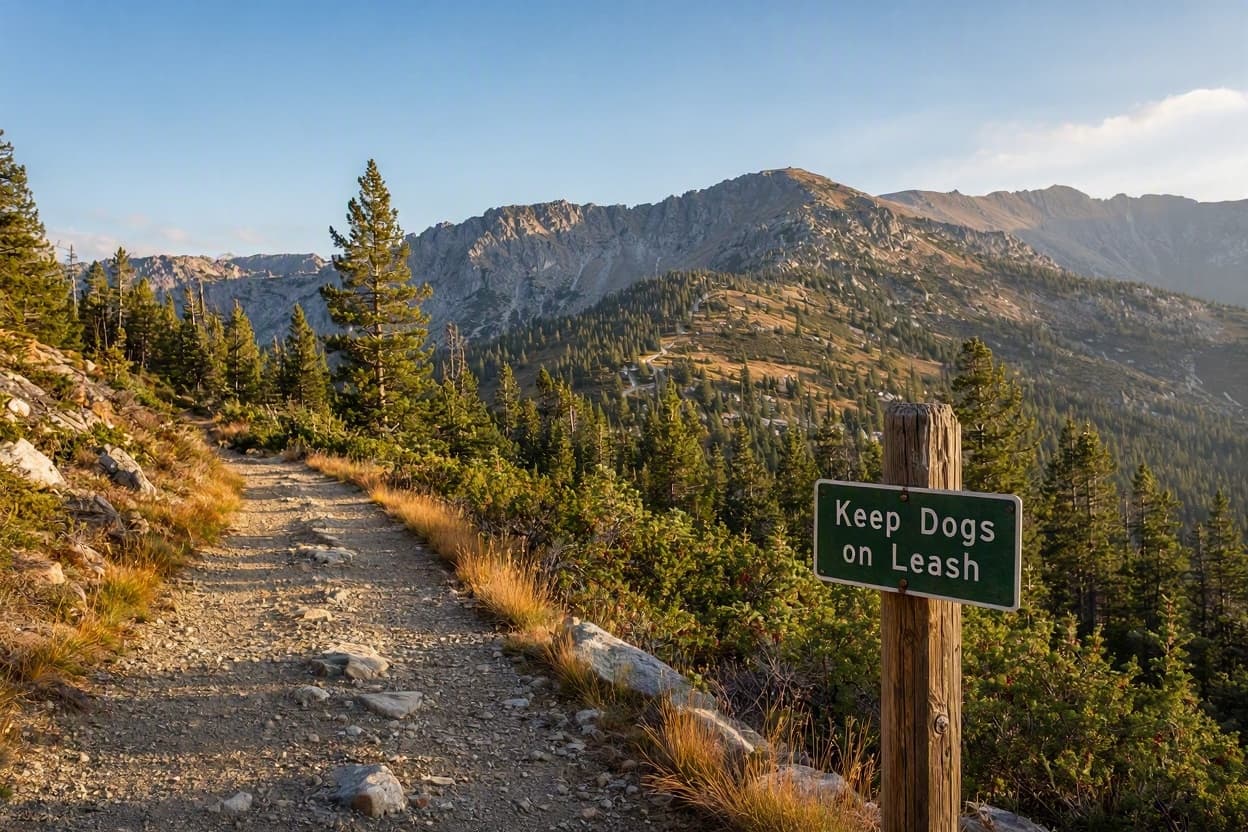
Park officials have used the incident to reiterate the importance of following regulations. Signs are posted throughout Banff, reminding visitors to keep dogs on leashes no longer than two meters. These rules are enforced to protect the wildlife, which can suffer stress or injury from interactions with domestic animals. They also ensure that humans do not inadvertently habituate bears to human presence, which can lead to dangerous outcomes.
The broader context of wildlife conservation in Banff is complex. As tourism increases, so does the potential for human-wildlife conflict. Educating visitors is a continuous effort, involving signage, patrols, and public campaigns. Each incident, like this one, provides an opportunity to reinforce the message that respect for nature includes adhering to safety guidelines. It is a shared responsibility between the park authorities and the public.
For the local community and regular visitors, the news is a cause for concern but also validation of existing rules. They understand that the wilderness is not a playground but a habitat. The fine serves as a deterrent, encouraging others to think twice before letting their pets roam free. It highlights the consequences of negligence in a fragile ecosystem.
Looking forward, the focus remains on prevention. Wardens continue to monitor high-traffic areas, and educational programs are expanded to reach new visitors. The goal is to create a culture of awareness, where every hiker understands their role in protecting the park. By keeping dogs leashed, visitors contribute to the safety of all species that call Banff home.
In the end, the story is a cautionary tale wrapped in a beautiful landscape. It reminds us that nature commands respect, and that our actions have ripple effects. For the woman, the fine is a small price to pay for a lesson that could save lives. For the rest of us, it is a prompt to tread lightly and wisely in the wild.
AI Image Disclaimer: Visuals in this article are AI-generated illustrations of mountain landscapes and abstract representations of wildlife safety, designed to visualize the theme of conservation without depicting real individuals or specific aggressive animal encounters.
Sources: CBC News, Parks Canada, Banff National Park Official Site, Global News
Note: This article was published on BanxChange.com and is powered by the BXE Token on the XRP Ledger. For the latest articles and news, please visit BanxChange.com
.jpg&w=3840&q=75 "Kimberly Stewart, 47, Pregnant With Third Child One Year After Welcoming Son")