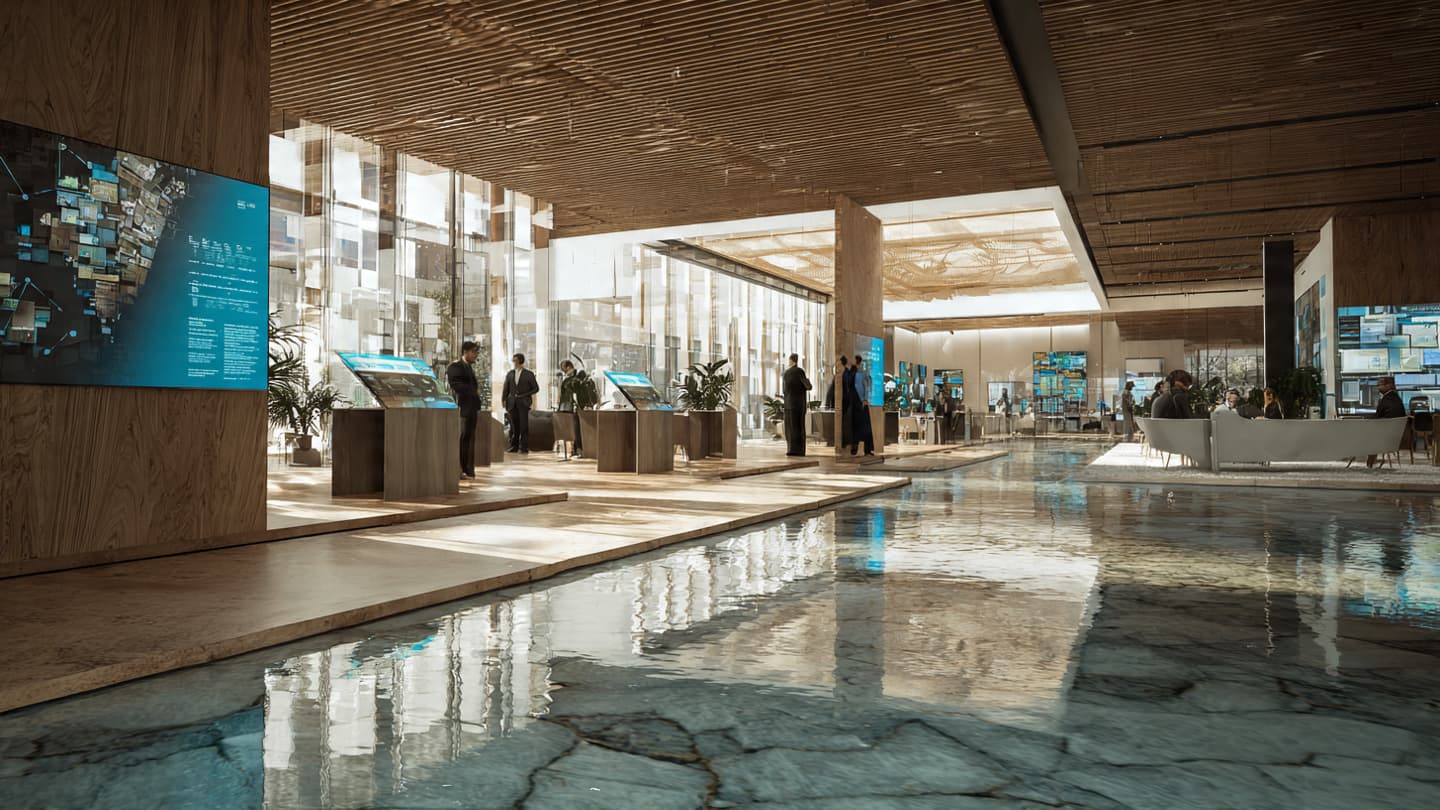
Rabat moves with a quieter rhythm than many capitals. Along its Atlantic-facing avenues, government buildings stand beside gardens touched by ocean wind, while diplomatic conversations unfold behind calm facades that rarely reveal urgency. Yet beneath that measured atmosphere, Morocco has increasingly positioned itself at the center of broader regional ambitions — particularly within tourism, development, and international cooperation.
This week, Morocco officially opened Africa’s first United Nations Tourism Innovation Office in Rabat, marking a symbolic expansion of the country’s growing role within international tourism planning and regional economic collaboration. The office is expected to focus on innovation, entrepreneurship, digital transformation, and sustainable tourism initiatives across the African continent.
Tourism officials and international representatives described the opening as both institutional milestone and strategic investment in Africa’s evolving travel economy. The office aims to support tourism-related startups, technology partnerships, policy development, and training initiatives linked to future tourism growth across multiple African countries.
For Morocco, the development strengthens its position as one of Africa’s most visible tourism destinations and diplomatic hubs. Over recent years, the country has expanded efforts to modernize tourism infrastructure, attract international investment, and promote itself as a bridge connecting Africa, Europe, and the Middle East.
The timing also reflects broader changes within global tourism itself. Digital systems, sustainability standards, environmental adaptation, and changing traveler expectations are reshaping how countries compete within international travel markets. Innovation has become as important as geography in determining long-term tourism success.
Across Africa, tourism continues holding major economic potential despite infrastructure gaps and uneven development between regions. International organizations increasingly view tourism not only as a source of revenue, but also as a mechanism supporting employment, entrepreneurship, cultural preservation, and regional connectivity.
Still, innovation alone rarely guarantees equal outcomes. Smaller tourism economies across the continent continue facing challenges tied to financing, transportation infrastructure, environmental vulnerability, and international market access. Much of the office’s future influence may depend on how effectively it bridges those disparities.
Yet the symbolism remains significant. In Rabat, where diplomatic architecture faces the Atlantic with quiet confidence, the opening of the innovation office reflects a continent increasingly seeking greater influence over its own tourism future rather than remaining peripheral within global travel systems.
UN Tourism representatives and Moroccan officials say the Rabat office will begin expanding partnerships and development initiatives throughout 2026 with participating tourism stakeholders across Africa.
Published by Banx Network. This article is part of the Banx decentralized media programme, powered by the BXE token on the XRP Ledger.