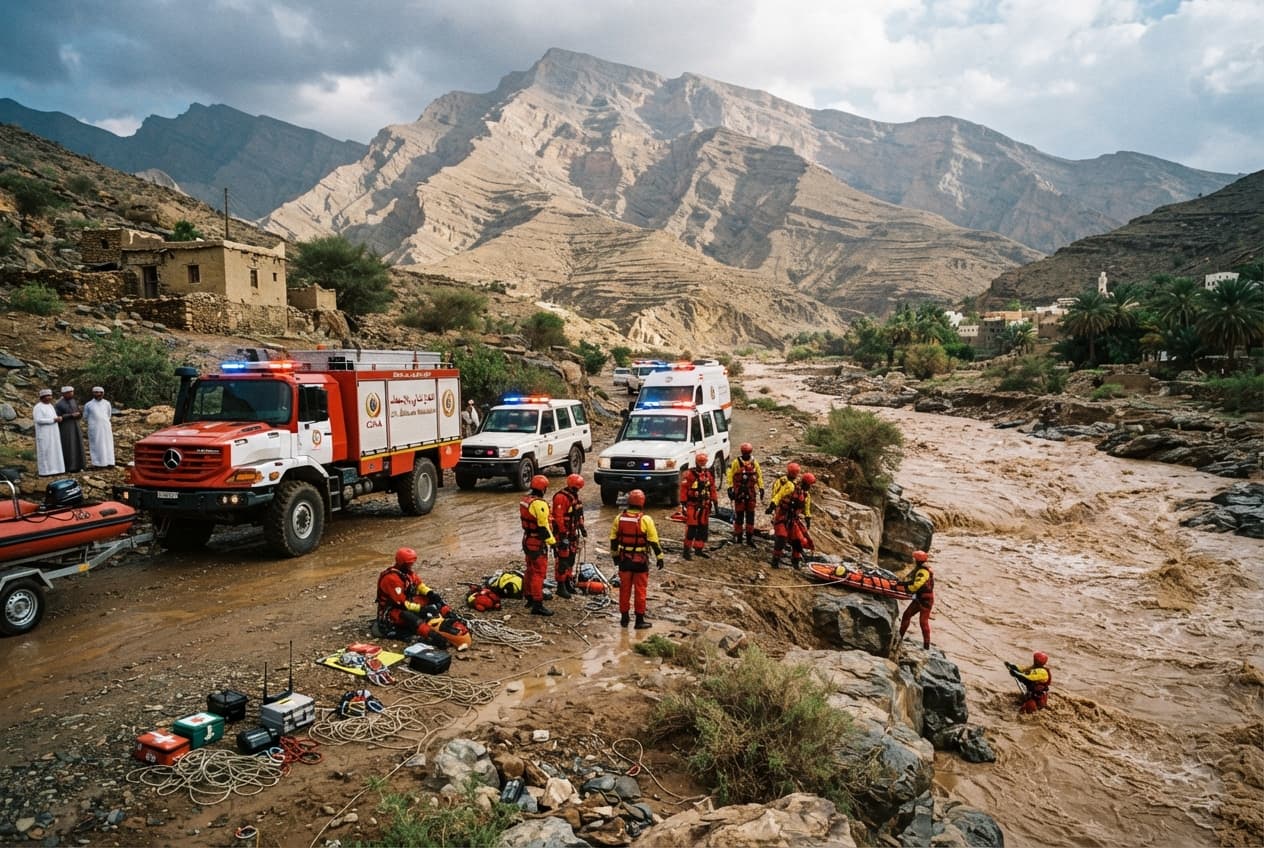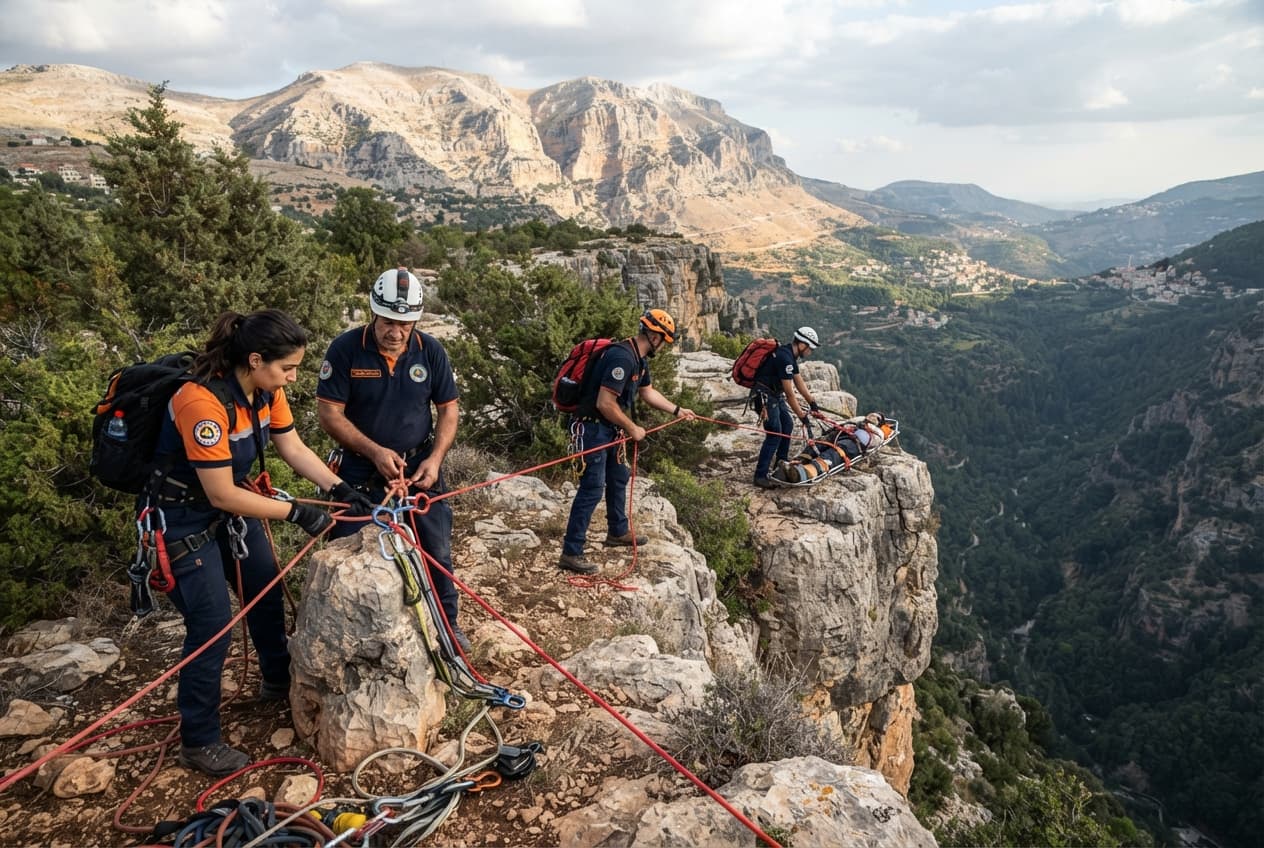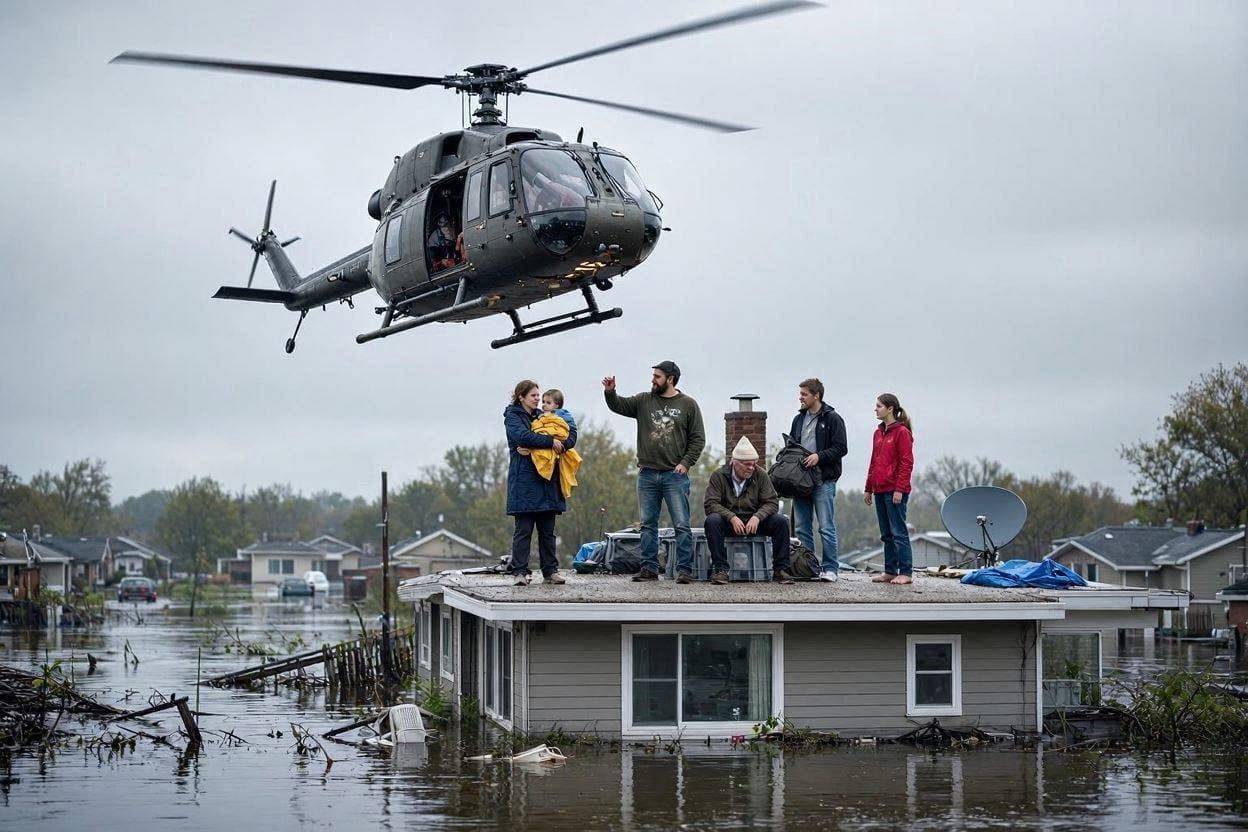
When the skies open and rivers rise, nature reminds us of its immense power and our own vulnerability. In Missouri, heavy rains have caused widespread flooding, threatening communities and disrupting lives. Among those affected were more than 200 children and staff at a summer camp, who found themselves stranded as water levels surged around their facilities. In a dramatic rescue operation, helicopters were deployed to airlift them to safety.
The camp, located near a swelling river, had been monitoring weather reports closely. However, the speed at which the water rose caught many off guard, cutting off road access and isolating the site. Camp counselors worked calmly to keep the children reassured, organizing them into groups and preparing for evacuation. Their professionalism in the face of danger was a testament to their training and dedication.
National Guard units and local emergency responders coordinated the airlift, using multiple helicopters to ferry people to higher ground. Each trip carried a small group, with priority given to younger children and those with medical needs. The operation, though tense, proceeded smoothly, thanks to careful planning and clear communication among the teams involved.
For the parents waiting on the other side, the hours of uncertainty were agonizing. News updates and social media posts provided glimpses of the rescue, offering hope but also anxiety. When the first buses arrived at the shelter, relief washed over the crowds. Hugs and tears marked the reunion of families separated by the floodwaters.
The flooding in Missouri is part of a larger pattern of extreme weather events affecting the Midwest. Climate change is increasing the frequency and intensity of such storms, challenging infrastructure and emergency preparedness. Communities are adapting, but the cost—in both resources and emotional toll—is significant.
Local officials have praised the response efforts, highlighting the cooperation between state and federal agencies. They emphasize the importance of early warning systems and evacuation plans in saving lives. The successful rescue of the campers serves as a model for future disaster management.
As the waters recede, the focus shifts to recovery. Homes and businesses damaged by the flood will need repair, and the psychological impact on those displaced will take time to heal. But for now, the story is one of survival and solidarity, a reminder that in times of crisis, we come together to protect one another.
Closing: More than 200 people at a summer camp in Missouri were airlifted to safety due to severe flooding. The successful rescue operation highlights the effectiveness of emergency response teams and the growing challenge of extreme weather events in the region.
AI Image Disclaimer: Visuals accompanying this article are AI-generated and intended for illustrative purposes only.
Sources: Local Missouri News, National Guard Reports, Weather Services
Published by Banx Network. This article is part of the Banx decentralized media programme, powered by the BXE token on the XRP Ledger.