For a brief moment, handheld gaming felt magical again.
Not nostalgic — new.
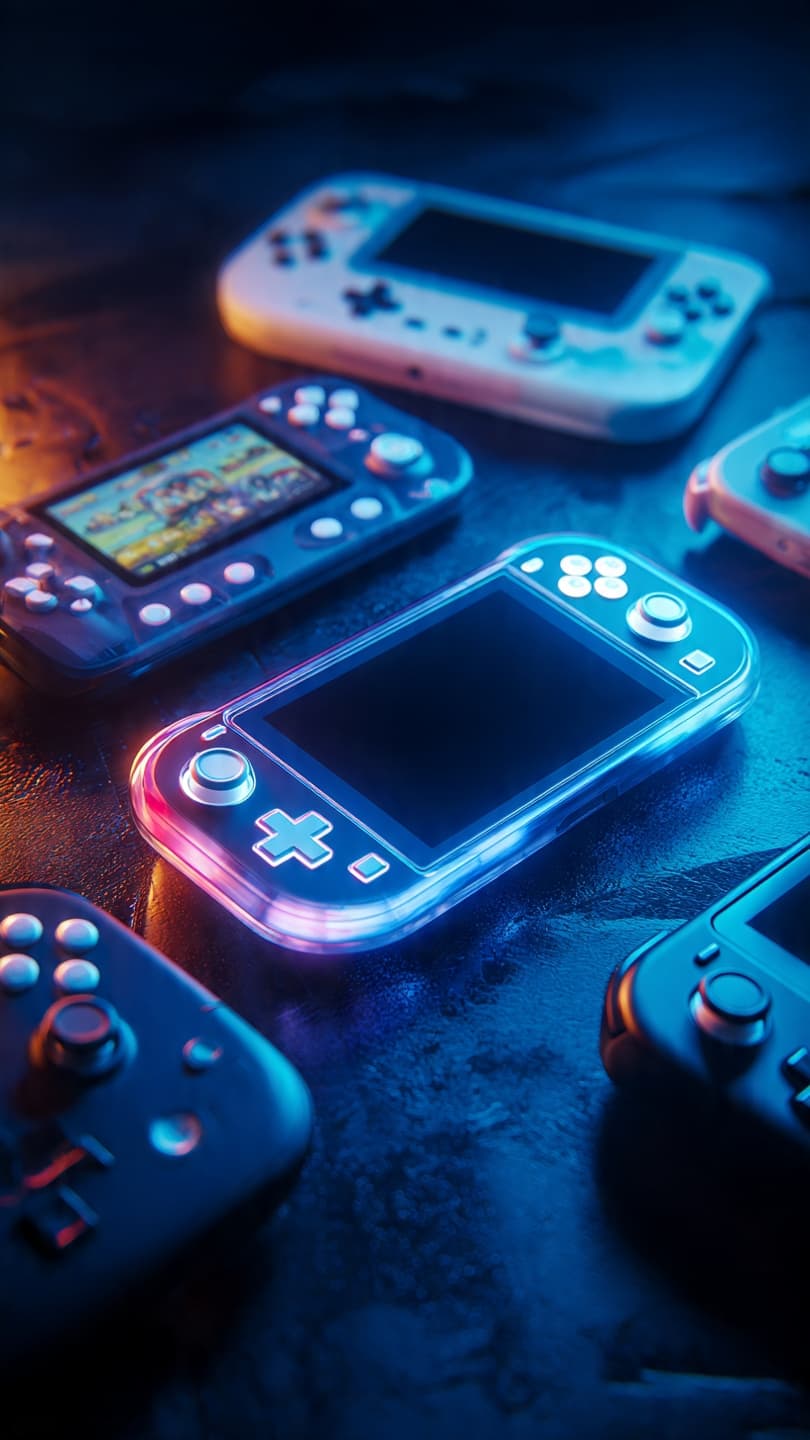
Suddenly the industry seemed full of momentum: portable PCs, cloud streaming, OLED screens, emulation devices, retro-inspired hardware, and powerful gaming systems small enough to fit into a backpack.
The success of devices like the Steam Deck reignited excitement around portable gaming in a way many players had not felt since the golden years of the Game Boy, PSP, or Nintendo DS eras.
But now a growing number of analysts and enthusiasts believe the modern handheld surge may already be cooling.
Not because handheld gaming is disappearing — but because the explosive sense of discovery surrounding it may have peaked faster than expected.
Why the Handheld Boom Happened So Fast Several industry trends aligned almost perfectly at once.
Advances in mobile chips suddenly made it possible to run major PC games on portable systems without requiring:
Huge batteries Excessive heat Extremely thick hardware At the same time:
The pandemic increased demand for home entertainment PC gaming expanded globally Cloud services matured Retro gaming communities exploded online Portable lifestyles became more appealing again Then came devices like:
Steam Deck ASUS ROG Ally Lenovo Legion Go Nintendo Switch successors and competitors The market suddenly felt alive with experimentation.
Why the Momentum May Be Slowing The problem is that hardware excitement can peak quickly.
Many handheld makers now face challenges involving:
Rising component costs Limited battery breakthroughs Similar hardware specifications Windows optimization frustrations Consumer upgrade fatigue A growing number of devices also started feeling increasingly alike: same AMD chips, same control layouts, same compromises between power and battery life.
What initially felt revolutionary now risks becoming incremental.
Battery Life Remains the Biggest Problem Portable gaming systems continue struggling against one unavoidable reality: modern games consume enormous power.
High-end handheld PCs often face difficult tradeoffs between:
Performance Heat Weight Fan noise Battery endurance Many devices still cannot deliver long AAA gaming sessions away from chargers.
That limitation matters because portability loses part of its appeal if players constantly manage battery anxiety.
The Nintendo Factor Another reason some observers believe the “golden age” may already be stabilizing is because still occupies a uniquely dominant position in handheld gaming culture.
While PC handhelds attract enthusiasts, Nintendo historically succeeds by focusing less on technical specifications and more on:
Exclusive games Accessibility Battery efficiency Mass-market simplicity The upcoming post-Switch era may determine whether handheld gaming expands sustainably or fragments into increasingly niche hardware categories.
Handheld PCs Are Still Searching for Identity There is also an identity issue.
Portable gaming PCs currently sit somewhere between:
Consoles Laptops Hobbyist hardware Experimental enthusiast devices Some users love the flexibility. Others find setup complexity exhausting.
Windows itself often feels awkward on smaller handheld screens, while Linux-based alternatives still require technical familiarity many mainstream consumers lack.
As a result, handheld gaming PCs remain exciting — but not always frictionless.
Why the “Golden Age” Feeling Matters Part of the emotional reaction comes from how quickly the market changed psychologically.
A few years ago, portable AAA gaming felt futuristic. Now it feels expected.
That shift removed some of the wonder.
Technology cycles often work this way: the early phase feels imaginative and disruptive, while later phases become dominated by refinement, pricing competition, and ecosystem consolidation.
The “golden age” people remember is often the moment before the market fully stabilizes.
A Wider Reflection Handheld gaming is probably not ending. If anything, portable play will likely remain central to gaming’s future.
But the first wave of modern handheld enthusiasm carried a rare energy: the sense that the industry was rediscovering something it had forgotten.
Gaming no longer needed to stay tied to desks, living rooms, or stationary hardware.
For a moment, it felt experimental again.
And perhaps that is why some players already speak nostalgically about a boom that only recently began: because the most exciting phase of technology is often not when products become perfect — but when possibilities still feel wide open, messy, and full of surprise.
AI Image Disclaimer Images are AI-generated illustrations and are intended for visual representation only, not real-world documentation.
Source Check New commentary surrounding the handheld gaming market argues that the recent boom driven by devices like the Steam Deck, Nintendo Switch, and Windows gaming handhelds may already be slowing as rising costs, hardware overlap, and market saturation reshape the industry.
Published by Banx Network. This article is part of the Banx decentralized media programme, powered by the BXE token on the XRP Ledger.