The conclusion of military confrontation rarely ends public debate. Once the sounds of conflict begin to fade, questions often emerge regarding responsibility, reconstruction, and the costs of repairing damaged communities.
Recent discussions surrounding Iranian assets have brought those questions into sharper focus. Reports indicate that U.S. officials are examining whether Iranian funds could be redirected to support reconstruction efforts in Gulf countries affected by recent attacks.
The proposal has generated differing interpretations among analysts and commentators. Some view it as a form of compensation linked to damages caused during the conflict, while others emphasize the legal and diplomatic complexities involved in determining responsibility.
Iranian officials have consistently argued that access to frozen assets is essential for progress in negotiations with the United States. As a result, any effort to redirect those funds may be viewed in Tehran as a significant political and economic issue.
Supporters of the proposal contend that countries affected by missile and drone attacks require assistance to restore damaged infrastructure. They argue that reconstruction costs should reflect the consequences of military actions.
Others note that disputes over compensation are rarely straightforward. International conflicts often involve competing narratives regarding causes, responsibilities, and legal obligations.
The issue has emerged against the backdrop of fragile diplomatic contacts intended to reduce regional tensions. Negotiators continue seeking pathways toward stability while managing disagreements over sanctions, security, and economic measures.
Financial questions have therefore become intertwined with broader geopolitical objectives. Decisions involving frozen assets may carry implications that extend beyond economics and into the future of regional diplomacy.
As discussions continue, no final policy has been formally implemented. The debate over reconstruction funding and frozen assets remains active, illustrating how the financial legacy of conflict can persist long after military operations slow.
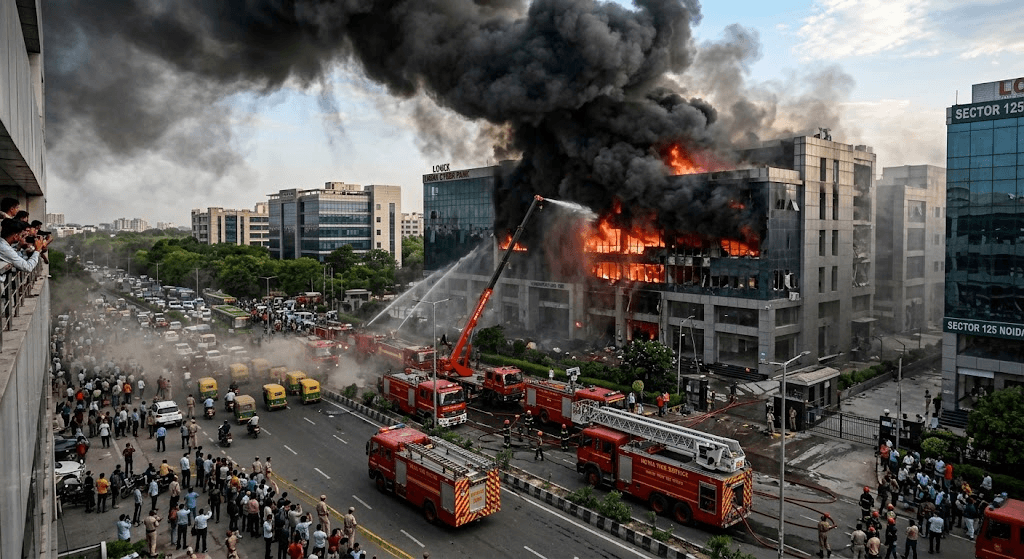
AI Image Disclaimer: The visual illustrations in this article were created using AI technology and are intended only as conceptual representations
Source Verification Check Credible sources identified:
Reuters Financial Times Associated Press Arab News CBS News
Published by Banx Network. This article is part of the Banx decentralized media programme, powered by the BXE token on the XRP Ledger.