
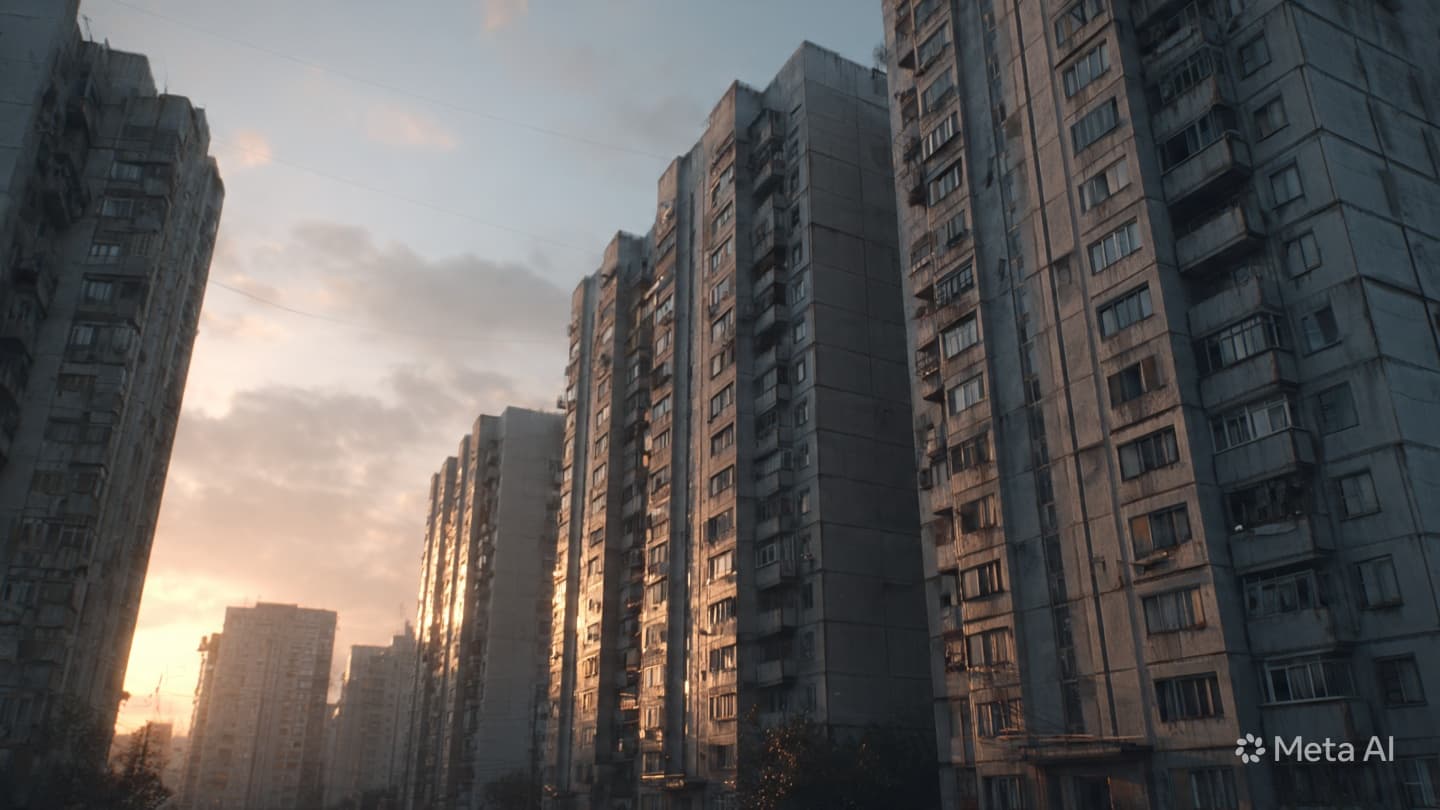
The residential block in Novosibirsk, a sturdy grid of concrete and glass that defines the landscape of the city’s newer quarters, is built for the quiet continuity of domestic life. It is where the rhythms of the day—the closing of doors, the soft murmur of conversations in the hallways—create a tapestry of safety. Yet, when the sharp, discordant crack of a gangland shootout erupts within these walls, the space is irrevocably altered, turning a sanctuary of routine into a theater of cold, premeditated violence.
A shootout in such a location is not merely a breach of the law; it is a profound rupture of the social contract that governs our living spaces. The neighborhood, usually defined by the predictable movement of commuters and the play of children, finds itself frozen, paralyzed by the sudden, looming reality of a conflict that belongs elsewhere but has chosen this site to play out its grim resolution. Two lives were extinguished in the spray of lead, their stories ending not with the slow passage of time, but with the sudden, jarring intervention of the city’s hidden, darker currents.
To stand on the periphery of such an event is to feel the weight of the neighborhood’s collective breath as it is held in anticipation and fear. The authorities, arriving with the heavy, tactical gear that signifies a shift from the administrative to the martial, move through the block with a grim, professional intensity. They are the heralds of a reality that the residents of the block—the retirees, the workers, the families—would prefer to remain unaware of.
The investigation that follows will attempt to untangle the web of motive, the shifting alliances, and the failures of surveillance that allowed such a confrontation to occur in the middle of a residential block. But for the residents who must walk past the site in the days to come, the analytical answers provide little comfort. The site has become a threshold of trauma, a corner of the city where the history of the shootout now lingers in the cracks of the pavement and the hollowed-out silence of the stairwells.
In the aftermath, the neighborhood is left to grapple with the realization that their peace was thinner than they had believed. There is a universal human desire for the home to be an island, a place apart from the volatility of the city’s underground. When that island is breached, the anxiety that follows is not easily dismissed. It is a reflection on the permeability of our environments, and the persistent, shadowed presence of the violence that can, without warning, descend upon the most ordinary of settings.
As the forensic teams clear the scene and the police presence fades, the neighborhood begins the slow, uneven process of returning to its rhythm. But the event leaves an indelible mark, a reminder of the fragility of safety in an urban landscape that is home to more than just the light. The block remains, the concrete is as solid as ever, but the air within the neighborhood is heavier now, filled with the lingering echoes of a struggle that has left two lives behind and a neighborhood forever changed in the quiet, reflective aftermath.
Local authorities confirmed that a gang-related shootout took place within a residential block in Novosibirsk, resulting in two confirmed fatalities. The area was cordoned off for several hours, with local transit paralyzed while special units conducted a sweep of the premises. An investigation is currently underway to identify the participants and the circumstances surrounding the violent confrontation, which officials have characterized as a targeted criminal encounter.
Note: This article was published on BanxChange.com and is powered by the BXE Token on the XRP Ledger. For the latest articles and news, please visit BanxChange.com